El Niñopage 4

Event · 110 articles
Share

Coverage, page 4

page 4 of 6

World: Global Update | September 2026: An Inter-Agency Report of the Global ENSO Analysis Cell - El Niño Status & Humanitarian Outlook

Countries: World, Afghanistan, Angola, Bangladesh, Burkina Faso, Cameroon, Central African Republic, Chad, Colombia, Cuba, Djibouti, Ecuador, El Salvador, Ethiopia, Fiji, Guatemala, Haiti, Honduras, Indonesia, Kenya, Kiribati, Madagascar, Malawi, Mali, Mozambique, Myanmar, Nepal, Nicaragua, Niger, Nigeria, Papua New Guinea, Peru, Solomon Islands, Somalia, South Sudan, Sudan, Timor-Leste, Tuvalu, Uganda, Vanuatu, Venezuela (Bolivarian Republic of), Zambia, Zimbabwe Sources: International Federation of Red Cross and Red Crescent Societies, Save the Children, UN Office for the Coordination of Humanitarian Affairs, World Food Programme Please refer to the attached file. OVERVIEW El Niño is firmly established and is forecast to reach very strong intensity. WMO forecasts indicate a nearly 100 per cent likelihood that it will persist through February 2027, with the event expected to strengthen further and peak towards the end of 2026. Its effects may lag and persist beyond the peak. A very strong El Niño is likely to bring major shifts in rainfall and temperature patterns, increasing the risk of drought, flooding, extreme heat and other weather and climate hazards. These effects will not be felt everywhere at the same time or in the same way. Their severity will depend on where the climate signal coincides with agricultural and livelihood calendars, existing humanitarian needs and people's ability to cope. WMO cautions that the strength of the global event does not translate directly into the scale of impacts in any individual country or region. El Niño is also occurring against the backdrop of long-term climate warming. The emerging risks must be understood alongside conflict, displacement, high food insecurity and high food prices, malnutrition, disease outbreaks, economic pressures and overstretched essential services. These conditions have not improved since the June update. In many places, repeated shocks have depleted household assets, increased debt and weakened the coping mechanisms that people would ordinarily rely on when drought, floods or high prices affect their livelihoods. WFP estimates suggest that up to 50 million people globally could be affected over the next six to nine months, indicating the potential scale of the humanitarian consequences.

ReliefWebReliefWebWorld Food Programme17 Sept

World: Global Weather Hazards Summary, September 17, 2026 – September 23, 2026

Country: World Source: Famine Early Warning System Network Please refer to the attached file. El Niño is strengthening. Abnormal heat continues to threaten parts of northern and eastern Africa, Hispaniola, Central America, and northern South America. Drought is expanding in parts of Central America. South Africa sees flooding. Global Weather Hazards The Global Weather Hazards report anticipates severe weather or climate events in Africa; Latin America and the Caribbean; and the Middle East and Asia. This product provides maps with current weather and climate information; short and medium range weather forecasts (up to one week); and the potential impact on crop and pasture conditions. It does not reflect long range forecasts or food security conditions.

ReliefWebReliefWebFamine Early Warning System Network16 Sept

The 'apex predator' of fires choking south-east Asia - podcast

Indonesia is in the middle of a climate emergency, experiencing what Nasa calls the ‘apex predator’ of wildfires. It’s burning an area three times the size of Singapore and choking millions across south-east Asia with toxic haze. But while Europe’s catastrophic summer made headlines in Australia, the climate emergency happening to one of our closest neighbours is less well known. Kate Lamb joins Matilda Boseley to talk about just how consequential these fires could become Read more : El Niño-fuelled wildfires destroy precious Indonesian forests – in pictures The women saving Borneo: battling fire, patriarchy and super El Niño on Indonesia’s peatland frontlines Indonesian wildfires threaten leading orangutan research site in Borneo Continue reading...

The GuardianThe GuardianPresented by Matilda Boseley with Kate Lamb. Produced by Cheyne Anderson with mixing and sound design by Lu Hill. Molly Glassey is executive producer16 Sept

Somalia: Multi-hazard Displacement Projections — Q4 (October - December 2026)

Country: Somalia Source: International Organization for Migration Please refer to the attached Infographic. The October to December (OND) "Deyr" 2026 seasonal outlook indicates a high probability (>90%) of above-normal rainfall, with parts of central and southern Somalia likely to receive more than 400 mm of rainfall (ICPAC, 2026). While this signals an elevated flood risk, localised and month-to-month rainfall variations are expected. An early to near-normal onset across much of Somalia, consistent with El Niño conditions are expected, which can initially suppress September rainfall before transitioning to above-normal rains during the quarter. Although projected displacement figures are significant, they should be interpreted as cumulative estimates and not evenly distributed across the quarter. Experience from the 2023 El Niño floods, which displaced approximately 1.2 million people, showed that displacement peaked due to flooding in late October and November, followed by gradual returns as floodwaters receded and river levels declined in December. Flood preparedness, response and contingency planning should be strengthened during this period.

ReliefWebReliefWebInternational Organization for Migration16 Sept

Protecting Education from El Niño: A Call for Anticipatory Action and Response in Mozambique (2026-2027)

Country: Mozambique Sources: Education Cluster, Save the Children, UN Children's Fund Please refer to the attached file. Mozambique is entering a critical climate risk period as El Niño intensifies ahead of the 2026-27 rainy season. INAM has confirmed that El Niño is active and forecasts a 63% probability of a very strong event between November 2026 and January 2027, potentially making it one of the strongest since 1950. Forecasts indicate an increased risk of drought across southern and central provinces and above-normal rainfall, flooding and storms in parts of the north. The education sector is highly vulnerable. Recent climate disasters have demonstrated the scale of the threat: in 2026 alone, flooding and cyclones disrupted education for over 230,000 children, affected 430 schools, and destroyed more than 840 classrooms. Without early action, El Niño could trigger further school closures, increased absenteeism, dropout, child labour, early marriage, displacement, and learning loss among the most vulnerable children. A preliminary assessment by the Ministry of Education and Culture (MEC) identified 2,250 schools at risk, with potential impacts on 1.5 million learners, including nearly 950,000 girls, and more than 23,000 teachers in Inhambane, Sofala, Tete, Gaza, Manica and Cabo Delgado. El Niño could trigger further school closures, increased absenteeism, dropout, child labour, early marriage, displacement, and learning loss among the most vulnerable children. The response is ready – but funding is needed. Through the Education Cluster, Ministry of Education and Culture, and partners, Contingency Planning, Rapid Response frameworks, and Anticipatory Action mechanisms have already been established and strengthened under the ongoing ECHO-supported Rapid Response Action. Frontline capacity, coordination systems, and implementation arrangements are in place and ready to be activated. We Call on Donors and Education Partners to: • Provide immediate, flexible and/or earmarked anticipatory funding before November 2026 to activate pre-agreed education contingency plans ahead of the forecasted El Niño impacts, enabling the rapid deployment of learning materials, temporary learning solutions, psychosocial support, and school WASH interventions. Early financing will allow action during the current window of opportunity rather than after impacts have materialized. • Prioritize Education in Emergencies as an essential, protective, and life-sustaining investment, NiñoNiño 2026/7 ensuring that it is included within multi-sector humanitarian and climate response financing alongside child protection, nutrition, health, WASH, and social protection interventions. • Support rapid response and recovery mechanisms already established by the Education Cluster and partners, enabling timely assistance to affected schools and learners while safeguarding learning continuity. • Invest in resilient and climate-smart education systems including safer school infrastructure, disaster risk reduction, and preparedness measures that reduce future humanitarian costs and strengthen community resilience. The forecast is clear, and the window for action is narrowing. More than 1.5 million children risk disruption to their education if anticipatory measures are not activated before the peak impacts of El Niño. The coordination mechanisms, contingency plans, and response capacities are already in place through the Ministry of Education and Culture, the Education Cluster, and partners. What is needed now is timely and flexible financing to trigger action before schools are affected. Investing today in anticipatory action will protect learning, reduce humanitarian needs, and avoid higher response costs in the future. Protect Learning. Protect Children. Act Before the Crisis Escalates.

ReliefWebReliefWebUN Children's Fund16 Sept

Uganda: IPC Acute Food Insecurity and Malnutrition Snapshot | July 2026 - June 2027

Country: Uganda Source: Integrated Food Security Phase Classification Please refer to the attached file. Key results Across much of Uganda, El Niño-induced dry spells led to extreme crop and pasture losses, which, alongside rising food prices, has greatly reduced food affordability and access. This is driving high levels of acute food insecurity and malnutrition in the Karamoja region and among vulnerable populations, including refugees and host communities, in other parts of the country. Low crop and livestock production, limited income, and high prices are reducing purchasing power and increasing households’ reliance on markets and external food assistance. Limited income opportunities and localised conflicts, particularly in Karamoja, also restrict food access. At the same time, reduced humanitarian assistance levels are diminishing vulnerable households’ capacity to cope with these conditions. Two recent IPC analyses from August 2026 covered 60 areas across Uganda, including nine Karamoja districts,12 refugee-hosting districts, 13 refugee settlements, urban refugees in Kampala, and 25 additional districts. Acute food insecurity and high morbidity to diseases are driving acute malnutrition among vulnerable populations, with a notable deterioration in Karamoja. From April 2026–March 2027, approximately 465,900 children aged 6–59 months and 246,300 pregnant and breastfeeding women are suffering or expected to suffer from acute malnutrition and need treatment. This includes 58,200 children in refugee settlements, 97,100 in host communities and 156,300 in other vulnerable areas, as well as 154,200 children in Karamoja, which accounts for 33 percent of the overall malnourished children in the analysed population. During the current period from April to September 2026,* Kotido and Kaabong (Karamoja) are classified in IPC Acute Malnutrition (AMN) Phase 4 (Critical), while Amudat, Moroto, Nabilatuk and Nakapiripirit (Karamoja) and Adjumani refugee settlement are classified in IPC AMN Phase 3 (Serious). In the projection period from October 2026 to March 2027,** acute malnutrition is expected to deteriorate in the refugee settlements and Karamoja, as food insecurity worsens due to total crop failure in Karamoja and failed second season harvests in refugee-hosting districts. Flash floods and El Niño-induced above-average rains will heighten the risk of disease outbreaks. ***** For Karamoja, the current period is August–October 2026. ****** For Karamoja, the projected period is November 2026–February 2027.

ReliefWebReliefWebIntegrated Food Security Phase Classification16 Sept

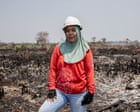
The women saving Borneo: battling fire, patriarchy and super El Niño on Indonesia’s peatland frontlines

Fire threatens Kalimantan’s rainforests. On the peatland frontlines, a group of local mothers is defending their community. Words and Photography: Garry Lotulung Irma puts on her heavy rubber boots as she prepares for a volunteer firefighting shift in her village of Sungai Putri, on the Indonesian side of Borneo island. Dressed in full safety gear she heads into fire zones on her motorbike, the air thick with toxic smoke. Continue reading...

The GuardianThe Guardian16 Sept

World: 11 for 11 – Global El Niño Program

Countries: World, Bangladesh, Burkina Faso, Haiti, Madagascar, Malawi, Mali, Myanmar, Niger, Pakistan, Uganda, Zimbabwe Source: Welthungerhilfe Please refer to the attached file. SUMMARY Drought, extreme heat and erratic rainfall threaten crops, livestock, and water supplies across Southern Africa and the Sahel, while parts of East Africa face heightened risks of flooding and storms after an extended dry period. At the same time, communities in South Asia, Central America and the Caribbean are exposed to worsening water scarcity, agricultural losses, and resulting livelihood disruption. The 2026 ‘El Niño’ global climate phenomenon is already classified as ‘strong’ and is expected to intensify into a ‘very strong’ and exceptional event, with a near 100% likelihood of persisting through February 2027. El Niño is already intensifying the risk of drought, floods, and extreme heat as well as significantly altering rainfall and temperature patterns across many regions. Meanwhile, the latest World Meteorological Organization (WMO) outlook warns that, the event could become stronger than anything observed since modern monitoring began, with impacts expected to multiply and cascade across communities, economies, and supply chains. El Niño is therefore acting as a risk multiplier, amplifying the effects of existing food insecurity, displacement, conflict, and economic pressures. FEWS NET similarly highlights growing food security risks in vulnerable regions where climate shocks are already compounding impacts on fragile livelihoods and markets. The time to act is now, before these risks develop into a larger humanitarian crisis. Welthungerhilfe (WHH) and its vast network of national civil society partners are ready to work and scale on three levels: risk communication and readiness, taking anticipatory action when forecast thresholds are reached, and rapidly scaling up assistance when impacts materialize. Ready to act - and ready to scale As a civil society organization, WHH is the leading implementer of German-funded Anticipatory Action, with established operational structures, local partnerships, Action Anticipatory Plans (AAPs), and trigger models already in place across highrisk contexts. With more than 20 Anticipatory Action activations globally across slow- and rapid-onset hazards, WHH and its partners have demonstrated their ability to translate forecasts and early warnings into timely action before impacts materialize, even when the window of opportunity for action is narrow. This existing readiness provides a strong foundation to anticipate and respond to the impacts of a ‘very strong’ El Niño. While WHH and its partners are already prepared to act, the scale and severity of the anticipated impacts require us to reach more people at risk, expand support to additional high-risklocations, and scale up anticipatory and rapid response measures before impacts escalate into larger humanitarian crises. Comprehensive risk analyses, as well as established contingency plans, operational structures, and local partner networks enable WHH and its partners to act rapidly as risks and needs evolve - protecting people, livelihoods, and essential assets.

ReliefWebReliefWebWelthungerhilfe15 Sept

The incoming ‘super’ El Niño will create chaos around the world. And we are far from ready for it | Bill McGuire

One of the biggest upheavals in a millennium is on its way, strengthened by the climate crisis. We need leaders who make things better not worse If you think you have heard enough about the growing “super” El Niño, trust me, you are going to hear a lot more. What is happening in the equatorial Pacific is jaw-dropping and could well mark one of the biggest global weather upheavals in a millennium. It will spawn a string of weather catastrophes around our world in what remains of this year and in 2027, and there is no reason to think the UK will be immune. To recap briefly, El Niño involves a heating of the central and eastern equatorial Pacific ocean. It happens every few years and is part of a natural cycle termed the El Niño southern oscillation, which switches between warm (El Niño) and cool (La Niña) phases. El Niños that see heating reach or exceed 2C are defined as “super” but this one, which is forecast to top-out at an astonishing 4C later this year, is so much bigger, the term “hyper” might be more appropriate. Bill McGuire is professor emeritus of geophysical and climate hazards at UCL. His latest book is The Fate of the World: A History and Future of the Climate Crisis Continue reading...

The GuardianThe GuardianBill McGuire15 Sept

World: UK steps up support for global efforts to prepare for El Niño following devastating extreme weather

Countries: World, United Kingdom of Great Britain and Northern Ireland Source: Government of the United Kingdom Hundreds of thousands of people around the world will be helped to prepare for extreme weather conditions next year. UK funding will support hundreds of thousands around the world to prepare for droughts, floods and food shortages before they escalate into humanitarian emergencies. Announcement follows devastating extreme weather this year, and will mitigate global impact by helping vulnerable communities protect livestock, reinforce homes and provide support to farmers before disaster hits. Comes ahead of UK Minister for Development speech setting out values-led modern approach to international development. Hundreds of thousands of people around the world will be helped to prepare for extreme weather conditions next year, as the UK steps up support for countries most at risk from El Niño. Up to £15 million is being made available through the Humanitarian Crisis Fund to support anticipatory action in countries most at risk from El Niño. Depending on the season, this includes drought-prone parts of southern Africa, Southeast Asia and Latin America, as well as flood-affected regions of East Africa and South America. UK funding will support practical and proven interventions that help communities prepare for extreme weather. These include vaccinating livestock before drought conditions take hold, reinforcing homes ahead of flooding, and providing cash support to farming families so they can buy essential supplies and protect their livelihoods. The impacts of extreme weather are felt everywhere, threatening lives, damaging harvests and disrupting food supplies, in the UK and around the world. As scientists warn a strengthening El Niño could trigger even more severe conditions in the coming months, the UK is acting now to help communities prepare before the worst impacts are felt. Kirsty McNeill, Minister for Development, said: The climate crisis isn’t something that’s round the corner – it’s already here and people need our help right now. The lesson of recent years is simple: climate shocks do not stop at national borders, whether that means extreme weather, pressure on food supplies or rising costs for families, shocks can affect all of us, wherever we live. That is why acting early matters, helping people in vulnerable communities prepare before disaster strikes so we can save lives and reduce suffering. It makes financial sense too - acting now to prepare costs less than picking up the pieces afterwards. Using the best science, forecasting and international partnerships to get ahead of risks before they become crises is a smarter approach to resilience and security. The announcement comes as the Minister for Development sets out her vision for a modern approach to development in a speech at the New Economics Foundation. In the speech, she will argue that the biggest global challenges demand a new focus on “mutual interest and shared resilience”. She will make the case that health security, climate security, economic security, human security, and food security affect us all, and that “the global problems we face today are not ones that any one country can deal with alone”. Around 35% of humanitarian shocks can be predicted in advance, yet less than 1% of global humanitarian funding is currently allocated to anticipatory action. The UK is a global leader in anticipatory action, working with partners to use early warning systems and pre-arranged finance to reduce suffering before it escalates and leading global efforts to scale-up early action before crises hit. Taking action early helps protect lives, reduce suffering and lower the long-term costs of responding to crises after they have escalated. Evidence consistently shows that acting early delivers better outcomes and better value than waiting until disaster has already caused widespread damage. Studies have shown proactive drought responses in the Horn of Africa could have prevented an estimated $2.5 billion in lost incomes and assets. Just as families insure their homes or businesses plan for a downturn, early action is helping to reduce costs and save lives by acting before a crisis takes hold, rather than paying a much higher price afterwards. Alongside efforts to tackle the global impact of extreme weather, the government is taking immediate action to build resilience at home. This includes investing £1.4 billion in flood defences this year as part of the largest flood defence programme in English history, building nine new reservoirs, and announcing a £65 million support package to help British farmers impacted by drought. Lisa Doughten, United Nations Office for the Coordination of Humanitarian Affairs (OCHA), said: In a world of increasing climate and humanitarian risks, we need to move from reacting to getting ahead of them. Anticipatory action based on credible forecasts save lives, reduces suffering and makes every humanitarian dollar go further. Partnerships and investments like this are essential to building a faster, more cost-effective humanitarian system that puts vulnerable communities at the centre. Aditya Bahadur, Director of Red Cross Red Crescent Climate Centre, said: As we approach the breach of the landmark 1.5C temperature threshold, we are set for a future with more frequent and intense, unprecedented events. Every tool in our toolbox needs to be deployed to manage the immense risk that confronts our most vulnerable communities. ‘Anticipatory action’ has proven immensely effective in preventing or reducing impacts on lives and livelihoods. From enhancing food security and reducing loss of livestock to preventing death and safeguarding assets - anticipatory action has consistently proven to be an impactful investment. Christina Bennett CEO, START Network said: When we know a drought is coming, we must not wait for families to lose their crops and incomes before we act. For communities now facing the impacts of El Niño, a small investment made early can make the difference between coping and crisis. Through Start Network’s work, we’ve seen that when support reaches people before a drought takes hold, families are better able to protect their harvests, keep their livestock healthy and put food on the table. Acting early helps people weather hard times with dignity, while reducing the human and financial cost of disaster. Professor Liz Stephens, University of Reading, said: El Niño loads the dice for extreme weather in many regions of the world, and advances in weather and climate prediction mean that El Niño events can be forecast many months in advance. This gives us a lengthy window of opportunity for anticipatory action to support communities to prepare and protect themselves, rather than waiting until disaster strikes and costly emergency assistance is needed. Daniel Clarke, Executive Director, Centre for Disaster Protection, said: Anticipatory action is one of the best-evidenced tools in disaster financing. In Bangladesh, families given cash five days before a flood hit were 62% less likely to go hungry, because they had time to prepare, not scramble to recover after the destruction. Scaling up anticipatory action effectively needs more than money: countries in the lead, backed by donors and investors who are ready to fund it for the long term, not just step in when disaster strikes. BACKGROUND El Niño is a naturally occurring climate pattern that typically occurs every two to seven years. What makes it different this year, which is forecast to be the largest El Niño in living memory, is the high levels of heat in the ocean which, according to the World Meteorological Organisation (WMO), could significantly shift rainfall and temperature patterns worldwide, fuelling extreme weather. The UK is bringing together science, humanitarian expertise and innovative finance to help countries prepare for El Niño before disaster strikes. This new support for anticipatory action, which will be allocated from the Humanitarian Crisis Fund, is one part of a broader UK response. This includes the new FCDO-Met Office partnership to expand access to AI-powered weather forecasting and early warning systems. By combining cutting-edge technology with UK scientific expertise, the partnership will help countries better predict, prepare for and respond to extreme weather events. The UK is working closely with global financial institutions to push for an earlier, better coordinated response and deployment of emergency finance for countries at greatest risk. By investing in early warning systems and pre-arranged financing, we are able to better monitor and respond to the emerging climate and food security risks before they turn into crises. The UK is supporting governments in priority countries to protect food production, livelihoods and markets before crises escalate. This includes shaping the World Bank’s Crisis Preparedness and Response Toolkit, launched in early 2024, which enables countries to access pre-arranged financing and repurpose unused project funds when a shock hits. The UK is working through the Multilateral Development Banks and UN humanitarian system to inform the wider disaster risk finance and insurance agenda to ensure vulnerable countries and communities have the finance and tools they need to reduce the impact of climate-related shocks. The UK-led Sevilla Platform for Action on Pre-arranged Finance aims to increase the proportion of pre-arranged finance within crisis finance from 2% towards 20% by 2035, helping move the international system from reacting to crises towards anticipating and preventing them. Media enquiries Email newsdesk@fcdo.gov.uk Telephone 020 7008 3100 Email the FCDO Newsdesk (monitored 24 hours a day) in the first instance, and we will respond as soon as possible.

ReliefWebReliefWebGovernment of the United Kingdom15 Sept

Lesotho | Drought - Early Action Protocol Activation, 9th September 2026 (EAP2022LS01/MDRLS006)

Country: Lesotho Source: International Federation of Red Cross and Red Crescent Societies Please refer to the attached file. EARLY ACTION PROTOCOL ACTIVATION Activation Overview The Lesotho Red Cross society has activated the Early Action Protocol for drought. This is based on the evolving El Niño conditions that will affect the 2026/2027 rainfall season, which is also a critical period for the country as it coincides with the main agricultural production season. The El Niño conditions are expected to influence rainfall patterns, with below-normal rainfall expected in Lesotho for the OND 2026 period (Figure 1), driven by a rapidly intensifying and very strong El Niño event. According to the Lesotho seasonal outlook issued on the 4th of September 2026, the current El Niño event is projected to peak between October 2026 and January/March 2027, coinciding critically with the planting and crop-growing season. The predicted below to normal seasonal rainfall will adversely affect agricultural production, water availability, food security and household livelihoods, particularly among vulnerable rural communities. Food Security Situation and Expected Impact Furthermore, according to the Lesotho Vulnerability Assessment Committee (LVAC), which was published on the 03 August 2026, approximately 310,766, people (approximately 20% of the total population) is projected to experience food insecurity from October 2026 to March 2027. Of the ten analysed districts, seven are projected to be in Phase 3, while Leribe, Thaba-Tseka, and Qacha’s Nek are expected to remain in Phase 2 (as shown in Figure 2 above). Timely interventions will be required to protect food consumption and livelihoods, particularly for poorer and vulnerable households. Trigger Monitoring and Trigger Status Following the regional seasonal climate outlook process, the Government of Lesotho, through the Minister of Environment and Forestry (Lesotho Meteorological Services department), officially released the seasonal outlook on 4th September 2026. The outlook indicates that normal to below-normal rainfall is expected for October - December 2026 season, providing an important basis for strengthening preparedness and implementing anticipatory actions. Furthermore, during January-March 2026, normal to above normal rainfall is expected (Figure 3). Following the National Climate Outlook Forum (NACOF), on the 7th of September the national early warning technical working group developed early warning messages and started downscaling the climate outlook and early warning messages at district to community level. Based on the National Climate Outlook Forum (NACOF), held on 4th and 7th September 2026 the National Early Warning Technical Working Group developed key early warning messages based on the seasonal climate outlook. The group subsequently initiated the downscaling of the climate outlook and early warnings messages from the national level to district and community levels on the 8th of September 2026, to ensure that communities act based on the current seasonal outlook. Given the above evolving and expected conditions, the September to November 2026 period has been identified as the critical timeframe by the Government of Lesotho for implementing anticipatory actions before the expected impacts of reduced rainfall become more severe. Additionally, though the LRCS Drought EAP activation trigger was set for January, the activation trigger that was indicated in the EAP has been reached as the national seasonal rainfall outlook indicates normal to below-normal rainfall is expected and the projected food insecurity vulnerability identified through LVAC analysis indicates that twenty percent (20%) of the population is in IPC 3 and IPC 4. These indicators provide sufficient evidence for Lesotho Red Cross to activate the drought EAP.

ReliefWebReliefWebInternational Federation of Red Cross and Red Crescent Societies15 Sept

Panama canal traffic to be cut again as drought from El Niño worsens

Latest daily reductions will further choke one of the world’s most important shipping lanes The Panama canal plans to again cut maritime traffic due to worsening drought caused by the El Niño climate phenomenon, further choking up one of the world’s most important shipping lanes. The canal handles 5% of global maritime trade and about 40% of US container traffic; it is favoured by shippers because it usually reduces cost and transit times, especially for companies trading between China, Asia and the US. Continue reading...

The GuardianThe GuardianMark Saunokonoko with Agence France-Presse15 Sept

Honduras | Drought - Early Action Protocol Summary, 11 September 2026 (EAP №: EAP2026HN06, Operation №: MDRHN029)

Country: Honduras Source: International Federation of Red Cross and Red Crescent Societies Please refer to the attached file. SUMMARY OF THE EARLY ACTION PROTOCOL The IFRC’s Disaster Response Emergency Fund (DREF) has approved a total of CHF 856,326 for the implementation of the Honduran Red Cross Early Action Plan (EAP). The approved amount consists of an allocation of CHF 368,466 for readiness and pre-positioning, and CHF 487,861 allocated to implement early actions once the defined triggers are met. The allocations are made under the DREF’s anticipatory pillar, under appeal code DREF MDRHN029. Unrestricted contributions to the DREF are encouraged to ensure that sufficient funding is available for the Early Action Protocols currently being developed. Honduras is one of the Central American countries most exposed to the effects of climate variability and phenomena associated with ENSO (El Niño–Southern Oscillation). Among hydrometeorological threats, meteorological drought is one of the most recurrent events with the greatest humanitarian impact, particularly in the Honduran Dry Corridor, where the population relies mainly on subsistence agriculture and livestock farming. Historical drought events have caused significant losses to crops and livestock, reduced water availability, undermined food security and affected the livelihoods of vulnerable rural families. The Early Action Protocol (EAP) for Meteorological Drought was developed by the Honduran Red Cross with the support of the German Red Cross, the International Federation of Red Cross and Red Crescent Societies (IFRC) and the Red Cross and Red Crescent Climate Centre. The protocol aims to reduce the humanitarian impacts caused by droughts associated with the El Niño phenomenon through the implementation of forecast-based anticipatory actions. The intervention will prioritise communities located in areas historically affected by severe droughts, particularly in the departments of Choluteca, Valle, Lempira, Francisco Morazán, Comayagua, Yoro, La Paz, Intibucá, El Paraíso and Olancho. The target population totals 10,000 people (2,000 families), prioritising households dependent on subsistence agriculture and livestock farming, families at risk of food insecurity and the most vulnerable groups. The EAP addresses three priority impacts: losses and damage to subsistence agricultural and livestock livelihoods; increased food insecurity; and limited access to safe water due to a decline in water sources and rising costs associated with water resources. The activation of the protocol is based on official information issued by COPECO/CENAOS and requires the simultaneous fulfilment of two trigger criteria: a probability of 60 per cent or higher that an El Niño event will occur in the Niño 3.4 region, and a probability of 60 per cent or higher that cumulative rainfall will fall below the 20th percentile in the Dry Corridor of Honduras during at least one of the periods between June and November. These triggers provide an approximate three-month lead time for the implementation of early action. The selected proactive measures include awareness-raising campaigns on drought preparedness and water management, multi-purpose cash transfers to protect livelihoods and alleviate food insecurity, the distribution of filters for domestic water treatment, water quality assessment using specialised WASH equipment, and the distribution of water for human consumption and multi-purpose use in communities affected by water scarcity. These actions are complemented by mechanisms for Community Participation and Accountability (CEA), Protection, Gender and Inclusion (PGI), and Monitoring, Evaluation, Accountability and Learning. The EAP has a total budget of CHF 856,326.00 and will be implemented by the Honduran Red Cross, which has a nationwide presence, specialised technical staff, expertise in WASH and cash transfer programmes, and an extensive network of volunteers to carry out the anticipatory actions in a timely and effective manner. Through this mechanism, the National Society aims to strengthen the resilience of vulnerable communities and reduce humanitarian impacts before the drought reaches its peak severity.

ReliefWebReliefWebInternational Federation of Red Cross and Red Crescent Societies15 Sept

Kenya Humanitarian Update, August 2026 | Save the Children Kenya

Country: Kenya Source: Save the Children Please refer to the attached file. This update highlights Save the Children’s humanitarian response and resilience programming across Kenya in August 2026, covering key interventions in health, nutrition, education, child protection, WASH, climate resilience and emergency preparedness. It captures key achievements, partnerships, field activities and emerging priorities aimed at protecting children and supporting vulnerable communities affected by crises. El Niño preparedness in Kenya. Kenya continues to strength its El Niño preparedness through a coordinated national approach focused on reducing the impacts of flooding, displacement, and damage to critical infrastructure through development and activation of EL Nino contingency plan. The plan is based on the most likely scenario of a strong El Niño event that could affect up to one million people and displace approximately 500,000 people across Kenya's flood-prone counties. The plan prioritizes preparedness, anticipatory action, and rapid response to mitigate the impacts of flooding, while also capitalizing on opportunities associated with above-normal rainfall. Key priorities include strengthening early warning systems, pre-positioning relief supplies, ensuring continuity of essential services, protecting vulnerable populations, and enhancing coordination between national and county governments, humanitarian partners, and communities. The Climate Outlook for the October–December 2026 Short Rains season issued by the Kenya Meterological Services Authority indicates that above-average rainfall is expected over Baringo, Bomet, Bungoma, Busia, Elgeyo Marakwet, Embu, Garissa, Homa Bay, Isiolo, Kajiado, Kakamega, Kericho, Kiambu, Kilifi, Kirinyaga, Kisii, Kisumu, Kitui, Kwale, Laikipia, Lamu, Machakos, Makueni, Mandera, Meru, Migori, Mombasa, Murang’a, Nairobi, Nakuru, Nandi, Narok, Nyamira, Nyandarua, Nyeri, Siaya, Taita/Taveta, Tana River, Tharaka-Nithi, Trans Nzoia, Uasin Gishu, Vihiga, Wajir, and much of West Pokot, Samburu and Marsabit Counties Food Security in Kenya. The food security situation has improved from early 2026, but 2.74 million people in ASAL counties, and 351,000 refugees are still facing acute food insecurity, and require urgent action during July to October 2026, according to the Kenya Long Rains Assessment. The major drivers are crop production deficits, high food prices, livestock stress, conflict and insecurity, flooding, disease outbreaks, and deteriorating nutrition conditions. Nutrition Situation in Kenya. An estimated 883,258 children aged 6 to 59 months suffering from acute malnutrition, of whom 658,955 have Moderate Acute Malnutrition (MAM) and 224,264 have Severe Acute Malnutrition (SAM). In addition, 116,846 pregnant and breastfeeding women require treatment for acute malnutrition, highlighting a critical nutrition crisis affecting both children and mothers and underscoring the need for strengthened prevention, treatment, and nutrition support interventions in affected areas. In the counties of Garissa, Turkana, Mandera and Nairobi data from KHIS suggests that between May and July, malnutrition treatment admissions increased by 39%, from 43,066 in 2025 to 59,819 in 2026. The largest increase was recorded in new SAM admissions, which rose by 77%, from 9,649 to 17,048, while MAM admissions increased by 29%, from 31,750 to 40,852, and stabilizer admissions increased by 15%, from 1,667 to 1,919. The increase was most pronounced in May and June 2026, particularly for SAM and MAM admissions, while admissions across all three categories were lower in July 2026 than in the corresponding month of 2025.

ReliefWebReliefWebSave the Children14 Sept