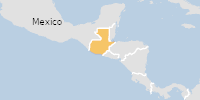
Green flood alert in Guatemala
On 21/09/2026, a flood started in Guatemala, lasting until 23/09/2026 (last update). The flood caused 0 deaths and 0 displaced .
On 21/09/2026, a flood started in Guatemala, lasting until 23/09/2026 (last update). The flood caused 0 deaths and 0 displaced .

Guatemala on Monday received the first batch of military weapons from the US in almost five decades. It ends an arms embargo implemented by the US due to human rights violations made during Guatemala's civil war. The US has continued to cooperate with Guatemala in recent years in the battle against drug trafficking.

Apple today announced that Tap to Pay on iPhone is now available in eight more countries: Argentina, Colombia, Costa Rica, the Dominican Republic, Guatemala, Honduras, Panama, and Peru. Tap to Pay on iPhone allows businesses to accept contactless payments on an iPhone, with no point-of-sale hardware required. Instead, customers can simply tap their own iPhone or Apple Watch, credit card or debit card, or other contactless payment option on the merchant's iPhone. Tag: Tap to Pay on iPhone This article, " Apple Announces 'Tap to Pay on iPhone' Availability in 8 More Countries " first appeared on MacRumors.com Discuss this article in our forums

Countries: El Salvador, Colombia, Dominica, Guatemala, Haiti, Honduras, Saint Lucia Source: UN Office for the Coordination of Humanitarian Affairs Please refer to the attached Infographic. CIFRAS CLAVE 500K personas más podrían enfrentar inseguridad alimentaria en Honduras que en 2025 137K personas asistidas en 53 municipios tras el terremoto del 10 de agosto en Colombia 253K niños y niñas (6-59 meses) en Haití previstos a sufrir malnutrición aguda hasta mayo 2027 CENTROAMÉRICA: SEQUÍA En el Corredor Seco centroamericano, la sequía asociada a El Niño sigue dañando cultivos, reduciendo el agua disponible y obligando a familias a comprar granos que suelen cultivar. En La Unión, El Salvador, han pasado hasta 45 días sin lluvia; los hogares rurales reciben agua una o dos veces por semana. En Honduras, la alcaldía de El Triunfo declaró la emergencia, preparó raciones y busca nuevas fuentes de agua. El 16 de septiembre, Guatemala anunció US$65,5 millones en ayuda alimentaria para 1,2 millones de familias hasta diciembre; concentrará las entregas en noviembre y diciembre. Cada paquete cubriría el 73% de las calorías mensuales de una familia de cinco. El PMA prevé que la sequía sume al menos 500.000 hondureños a la población en situación de inseguridad alimentaria respecto del año pasado. CARIBE: SEQUÍA El Instituto de Meteorología e Hidrología del Caribe prevé que Dominica y Santa Lucía pasen de alerta a emergencia por sequía antes de terminar noviembre. Pronostica sequía a corto plazo en Dominica y a largo plazo en Santa Lucía, mientras El Niño amenaza con agravar el déficit de lluvias en las Antillas Menores. En Dominica, la menor humedad del suelo y el caudal de los ríos podrían afectar la agricultura y el abastecimiento de agua. Santa Lucía depende de aguas superficiales para beber. Las lluvias repusieron sus reservas en mayo, pero la escasez en el norte ya había motivado planes de reparto mediante camiones cisterna. El instituto considera el nivel de emergencia motivo de preocupación inmediata; las autoridades nacionales deciden si declaran oficialmente la sequía. COLOMBIA: TERREMOTO Al 17 de septiembre, el terremoto del 10 de agosto había afectado a 486.917 personas en Colombia, frente a 466.606 el 4 de septiembre, y causado 335 muertes. Las viviendas inhabitables registradas pasaron de 73.378 a 104.037, aunque el registro podría contener duplicados. En cuatro departamentos priorizados, 6.903 personas permanecen en 105 albergues temporales. En Buenaventura, 13 de 18 albergues activos carecen de higiene básica y condiciones ambientales adecuadas; el acceso limitado al agua potable y el saneamiento deficiente elevan el riesgo de enfermedades. Las organizaciones humanitarias reportan 137.000 personas asistidas en 53 municipios, frente a 123.000 en 49 a inicios de septiembre. Las contribuciones internacionales alcanzan al menos US$47 millones. El Gobierno comenzó a entregar subsidios económicos temporales a damnificados registrados en Chocó y Valle del Cauca. HAITÍ: SEGURIDAD ALIMENTARIA/NUTRICIÓN Un análisis dirigido por el Ministerio de Salud Pública y Población de Haití, con apoyo de UNICEF, FAO, PMA, OMS y socios de nutrición, prevé desnutrición aguda en 253.725 niños de 6 a 59 meses entre junio de 2026 y mayo de 2027, incluidos 93.873 casos graves. Otras 25.750 mujeres embarazadas y lactantes necesitarán apoyo nutricional. La violencia armada dificulta el acceso a alimentos y atención. Entre diciembre de 2026 y mayo de 2027, 29 de los 140 municipios haitianos podrían alcanzar la fase grave de desnutrición aguda de la CIF; Cité Soleil y Cabaret podrían llegar a la fase crítica, la segunda más alta. El análisis advierte que el aumento de casos presionará servicios de nutrición de difícil acceso para muchas familias.
 ReliefWeb•UN Office for the Coordination of Humanitarian Affairs18 Sept
Countries: El Salvador, Colombia, Dominica, Guatemala, Haiti, Honduras, Saint Lucia Source: UN Office for the Coordination of Humanitarian Affairs Please refer to the attached Infographic. KEY FIGURES 500K increase in people in Honduras expected to be food-insecure compared to 2025 137K people assisted across 53 municipalities following 10 August earthquake in Colombia 253K children (6-59 months) in Haiti expected to suffer acute malnutrition through May 2027 CENTRAL AMERICA: DROUGHT Across the Central American Dry Corridor, El Niño-linked drought is damaging crops, straining water supplies and forcing families to buy grain they normally grow. In El Salvador’s La Unión department, rain has stopped for up to 45 days; rural households receive water once or twice weekly. In Honduras, El Triunfo’s municipal government declared an emergency, prepared food rations and sought new water sources. On 16 September, Guatemala announced US$65.5 million in food assistance for 1.2 million families through December, with most deliveries in November and December. Packages would cover 73 per cent of a five-person household’s monthly calorie needs. The World Food Programme expects drought to push at least 500,000 more Hondurans into food insecurity than last year. CARIBBEAN: DROUGHT The Caribbean Institute for Meteorology and Hydrology forecast emergency-level drought in Dominica and Saint Lucia by the end of November, projecting a shift from warning level in both countries. The outlook points to short-term drought in Dominica and long-term drought in Saint Lucia as El Niño threatens to deepen rainfall deficits across the Lesser Antilles. In Dominica, lower soil moisture and river flows could strain farms and water supplies. Saint Lucia depends heavily on surface water for drinking. Rains replenished supplies in May, but shortages in its north had already prompted plans for water truck deliveries. The institute considers emergency level a signal of immediate concern; national authorities decide whether to issue formal drought declarations. COLOMBIA: EARTHQUAKE As of 17 September, Colombia’s 10 August earthquake had affected 486,917 people, up from 466,606 on 4 September, with 335 deaths. The number of homes registered as uninhabitable rose from 73,378 to 104,037, though the registry may still contain duplicates. Across four priority departments, 6,903 people are staying in 105 temporary shelters. In Buenaventura, 13 of 18 active shelters lack basic hygiene and environmental safeguards; limited safe water and poor sanitation raise disease risks. Humanitarian organizations report assisting 137,000 people in 53 municipalities, up from 123,000 in 49 municipalities at the beginning of September. International contributions have reached at least US$47 million. The Government has begun temporary cash payments to registered survivors in Chocó and Valle del Cauca. HAITI: FOOD SECURITY/NUTRITION An analysis led by Haiti’s Ministry of Public Health and Population, with support from UNICEF, FAO, WFP, WHO and nutrition partners, projects acute malnutrition among 253,725 children aged 6–59 months between June 2026 and May 2027, including 93,873 severe cases. Another 25,750 pregnant and breastfeeding women will need nutritional support. Armed violence disrupts access to food and care. From December 2026 to May 2027, 29 of Haiti’s 140 municipalities could face Serious conditions on the IPC acute malnutrition scale, while Cité Soleil and Cabaret could reach Critical, the second-highest phase. The analysis warns that rising needs will put further pressure on nutrition services that many families already struggle to reach.
ReliefWeb•UN Office for the Coordination of Humanitarian Affairs18 Sept
Countries: World, Afghanistan, Angola, Bangladesh, Burkina Faso, Cameroon, Central African Republic, Chad, Colombia, Cuba, Djibouti, Ecuador, El Salvador, Ethiopia, Fiji, Guatemala, Haiti, Honduras, Indonesia, Kenya, Kiribati, Madagascar, Malawi, Mali, Mozambique, Myanmar, Nepal, Nicaragua, Niger, Nigeria, Papua New Guinea, Peru, Solomon Islands, Somalia, South Sudan, Sudan, Timor-Leste, Tuvalu, Uganda, Vanuatu, Venezuela (Bolivarian Republic of), Zambia, Zimbabwe Sources: International Federation of Red Cross and Red Crescent Societies, Save the Children, UN Office for the Coordination of Humanitarian Affairs, World Food Programme Please refer to the attached file. OVERVIEW El Niño is firmly established and is forecast to reach very strong intensity. WMO forecasts indicate a nearly 100 per cent likelihood that it will persist through February 2027, with the event expected to strengthen further and peak towards the end of 2026. Its effects may lag and persist beyond the peak. A very strong El Niño is likely to bring major shifts in rainfall and temperature patterns, increasing the risk of drought, flooding, extreme heat and other weather and climate hazards. These effects will not be felt everywhere at the same time or in the same way. Their severity will depend on where the climate signal coincides with agricultural and livelihood calendars, existing humanitarian needs and people's ability to cope. WMO cautions that the strength of the global event does not translate directly into the scale of impacts in any individual country or region. El Niño is also occurring against the backdrop of long-term climate warming. The emerging risks must be understood alongside conflict, displacement, high food insecurity and high food prices, malnutrition, disease outbreaks, economic pressures and overstretched essential services. These conditions have not improved since the June update. In many places, repeated shocks have depleted household assets, increased debt and weakened the coping mechanisms that people would ordinarily rely on when drought, floods or high prices affect their livelihoods. WFP estimates suggest that up to 50 million people globally could be affected over the next six to nine months, indicating the potential scale of the humanitarian consequences.
ReliefWeb•World Food Programme17 Sept
Countries including Syria, France and Guatemala have seen blockades, marches or other protests due to rising fuel prices caused by conflict in the Middle East.

Air Canada has extended its Montréal-Guatemala City service through summer 2027 and confirmed its Toronto-Guatemala City route as a year-round service, offering UK travellers convenient one-stop connections to Guatemala through either Canadian hub. During the winter season, the extended and expanded service is particularly well timed for passengers connecting via London Heathrow, with a connection time of just over two hours* through Montréal, along with additional options from Manchester, Edinburgh and Dublin.

From Indonesia to Guatemala to Syria, shortages and price increases are setting off protests and blackouts.
 The New York Times•Damien Cave15 Sept
Countries: World, Guatemala Source: Pan American Health Organization Please refer to the attached file.
ReliefWeb•Pan American Health Organization14 Sept
Countries: Guatemala, Canada, Mexico, United States of America, World Source: Pan American Health Organization Please refer to the attached file. Summary of the Situation Between epidemiological week (EW) 1 and EW 35 of 2026 (which ended on 5 September 2026), the Region of the Americas reported 52,676 confirmed cases of measles in 17 countries and territories, representing a 3.8-fold increase compared with the same period in 2025. Guatemala (33,334), Mexico (12,848), the United States (3,134), Peru (1,997), and Canada (1,119) account for the vast majority (99.5%) of confirmed cases (Map 1). A total of 61 deaths have been reported, including 41 in Guatemala, 19 in Mexico, and one in Bolivia (1). During EW 33 and EW 34 of 2026, the Region of the Americas reported 911 new confirmed cases of measles in six countries and territories, representing a 36.6% decrease compared with the previous two-week period (EW 31–32; 1,436 new cases, of which 274 were retrospectively accounted for since the last regional situation report was published) (Figure 1). Of the 911 new confirmed cases reported during EW 33–34, Guatemala accounted for 350, followed by the United States with 303, Peru with 171, and Mexico with 83 while Bolivia and Canada reported two cases each2.
ReliefWeb•Pan American Health Organization14 Sept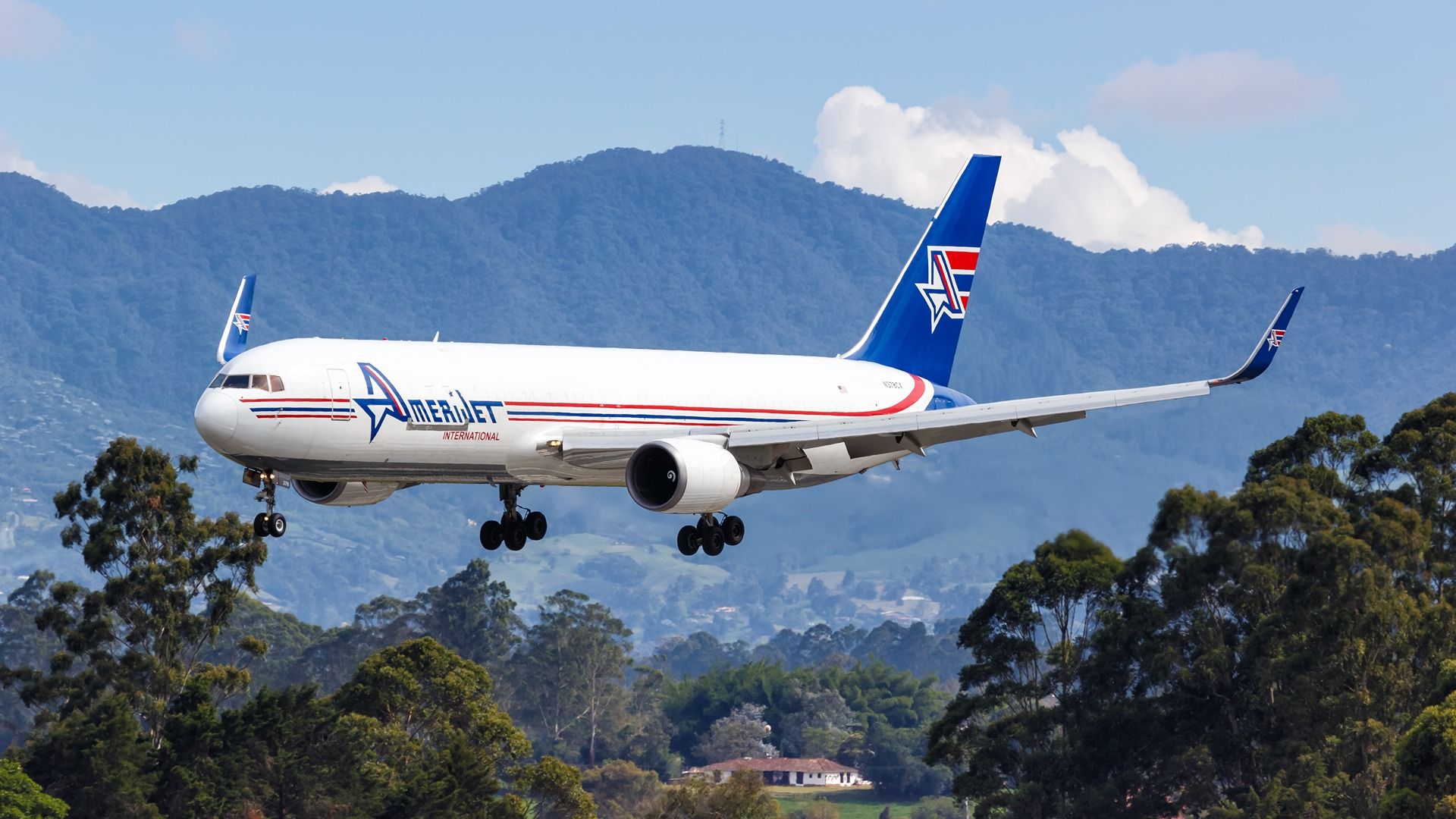
The all-cargo carrier was flying between Miami and San Juan when a diversion was required to Guatemala, and the plane experienced a hard landing.

An Amerijet International Boeing 767-300 freighter sustained substantial structural damage after making a hard landing at Guatemala City’s La Aurora International Airport on September 6, leaving the aircraft grounded at the airport. The aircraft, registered N373CM, was operating Amerijet flight M68743 from Miami to San Juan when it diverted to Guatemala City. According to information […]
 Aviation24.be•Bart Noëth12 Sept
Luis Pacheco and three other Indigenous ex-leaders cleared of charges over 2023 Guatemala protests.
 Al Jazeera12 Sept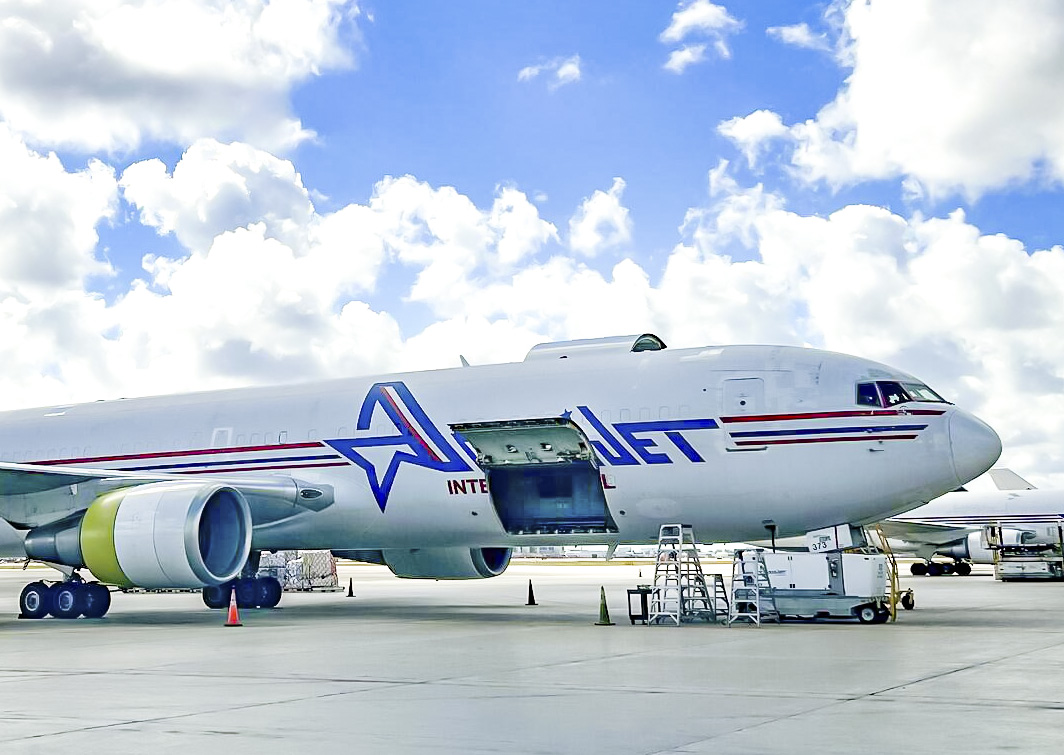
An Amerijet 767-300BDSF suffered severe skin damage upon arrival in Guatemala City on Sept. 6. The damaged skin was discovered on the fuselage during a walkaround of the 1990-vintage, CF6-powered unit 24929. In addition, several frames and stringers were described as damaged, bent or broken in a service difficulty report filed with the FAA on […]
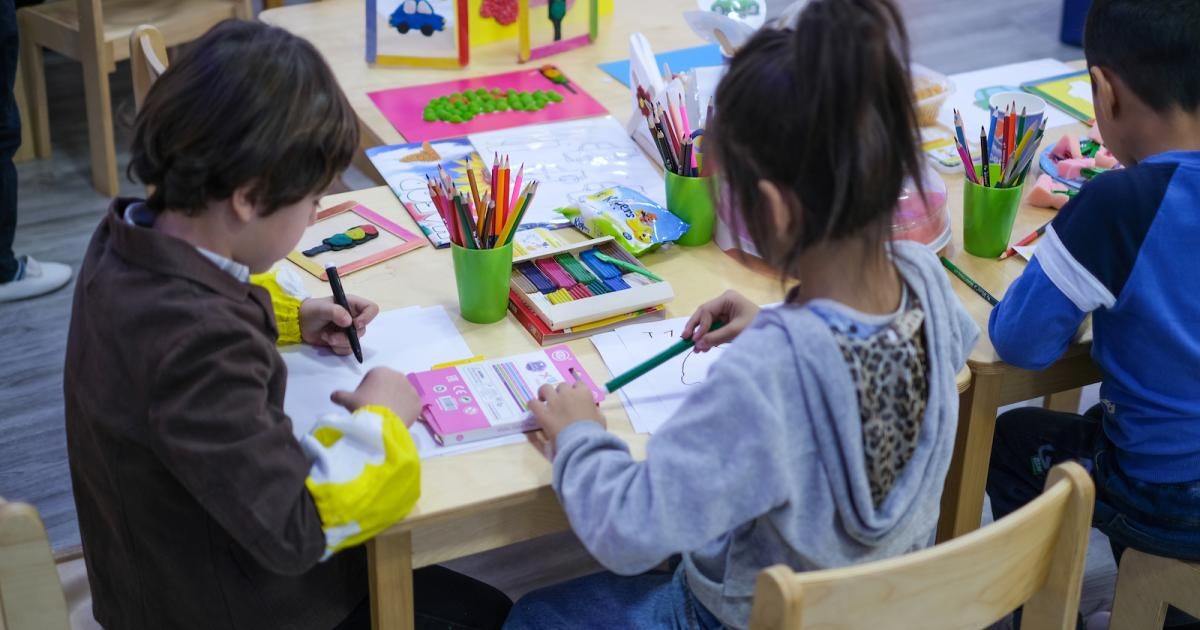
Click to expand Image Students in a pre-primary school classroom in Tashkent, Uzbekistan, 2021. © 2021 Bede Sheppard / Human Rights Watch The global push to make free education accessible for every child gained momentum, as 81 states met at the United Nations in Geneva on August 31 to September 2 to discuss a proposed treaty that could strengthen children’s right to education and remove financial barriers that keep many out of school. The new optional protocol to the Convention on the Rights of the Child would recognize early childhood care and education as part of the right to education, guarantee at least one year of free public pre-primary education, and strengthen the promise of free public secondary education. The initiative has been led by Sierra Leone, the Dominican Republic, and Bulgaria, which already provide free education for their children from pre-primary through secondary. During the three-day meeting, Guatemala became the 62nd country to publicly support the initiative. However, there were differences about next steps: Some states including Armenia, Azerbaijan, Bulgaria, Chile, Cuba, the Dominican Republic, Ecuador, Georgia, Peru, South Africa, and Uruguay supported moving forward to draft the treaty while others, including Austria, Bangladesh, Belgium, Egypt, and Slovenia, called for more time to consider different options. Children played a central role at the meeting. Child delegates from all five regions shared recommendations based on consultations with more than 80 children worldwide. Tuition-free education is not genuinely free if families still need to pay for transport, uniforms, school materials, and other essential costs, the delegates said. Free pre-primary education gives children a stronger start and children from disadvantaged families a fairer chance to succeed. Free secondary education can change the course of a child’s life by reducing the likelihood of child marriage and opening doors to further education and decent work. For children with disabilities, removing financial and practical barriers can enable them to participate fully and learn alongside their peers. Further consultations will take place before the next formal meeting in October 2027. The Sierra Leone chair called for continued review of the proposals for the treaty and expert advice, while stressing that children should continue to have a meaningful, safe, and inclusive role in the next stages. The momentum now needs to become action. Governments should move this process forward so that millions of children are not left waiting for the education to which they are entitled.
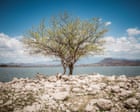
After lying dormant for years, the Era Dorada project in Asunción Mita resumed this year and villagers say history is being repeated, despite promises of change In the community of La Lima in Guatemala , Elda Dinora Ramírez, 58, looks towards a small well at the back of her home. Dusty wooden planks lie across the opening, concealing the faint gleam of water far below. “The well is drying up again,” she says. Ramírez’s home lies less than a mile from Era Dorada – a goldmining project acquired by the Canadian multinational Aura Minerals in January 2025. After years of inactivity, the project was reactivated this year when the Guatemalan government granted Aura a construction licence . Continue reading...
 The Guardian•Euan Wallace and Martina Mariano in Asunción Mita, Guatemala1 Sept
The Drought notification level is Orange.