Indiapage 7

Place · 656 articles
Share

Coverage, page 7

page 7 of 33

Nifty strategy for today

Nifty may open on gap down note as per gift nifty due to U.S Federal bank hikes rates in yesterday night so global markets may face pressure due to higher interest rates around globally so traders can follow the sell on rise strategy instead of buy on dips strategy. Boe,fed,Boj all banks are hikes interest rates so all equity indexes face some liquidity pressure in upcoming days. India vix traded around at 13 level which is comfort for options writers so traders take short position in the options at support and resistance levels. In yesterday trading session Nifty moving either sides in the narrow range and finally formed a classic doji on daily charts which is suggested nifty may move either down side or upside once breach the doji candle highs and low levels. Nifty buy strategy : Buy price :23150 stop loss :23050 target : 23260 Nifty sell strategy: sell price : 23300 stop loss : 23430 target : 23160 Stock of the day :Itc Ltd in this stock formed bullish marubozu candle on daily charts at support level due to cigarette prices hiked which is helpful to improve the topline margins so I am expecting technical rally in this stock from current market price. Buy price :262 stop loss :257 target : 272 Disclaimer : I am not a Sebi research analyst please take advise from your financial advisor before take any position based on my recommendation and drop a comment on my recommendation which is helpful me to correct my mistakes. Thanking for your support

TITradingView Ideas17 Sept

Indian EMS eVTOL partnership launched by Sarla Aviation, Manipal Hspitals and Aeromed

In a significant step towards transforming emergency medical transportation in India, Manipal Hospital Old Airport Road has signed a tripartite Memorandum of Understanding (MoU) with Sarla Aviation and Aeromed International Rescue Services to explore the development of next-generation air ambulance services using electric vertical take-off and landing (eVTOL) aircraft. Shri. Kinjarapu Ram Mohan Naidu, Minister

HeliHubHeliHubGwen Wilson16 Sept

Emirates hiring continues as airline targets further growth

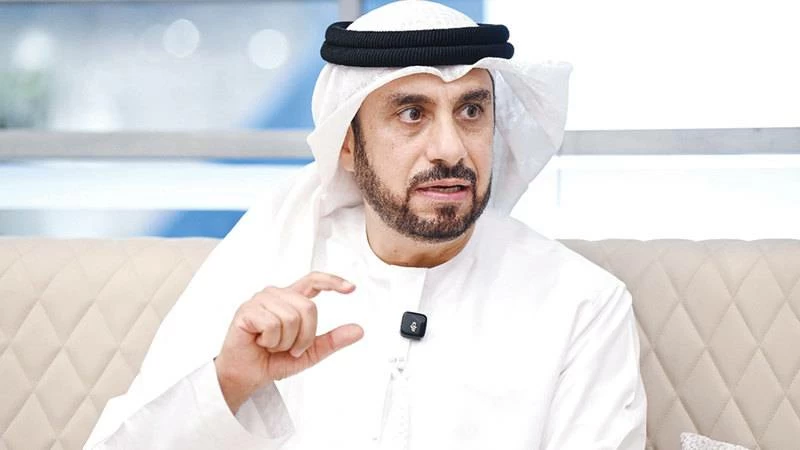
Dubai: Emirates Airline is seeing strong booking momentum heading into the winter season, with demand matching or exceeding last year's levels in several markets, according to Adnan Kazim, Emirates' Deputy President and Chief Commercial Officer. Speaking to reporters on the sidelines of Arabian Travel Market (ATM) 2026 in Dubai, Kazim said booking trends over the past three weeks have been positive, with demand remaining strong for both transit passengers and visitors travelling directly to Dubai. He said Dubai continues to benefit from its busy calendar of events and activities, particularly during the winter season, helping sustain strong tourism demand. Kazim also confirmed that Emirates continues to recruit employees and has not halted hiring. He said the airline's growth plans and the addition of new aircraft require recruitment across specialised fields, with hiring continuing in line with operational requirements. According to Kazim, several markets are recording particularly strong demand, including the UK, China, India, Pakistan and a number of African countries. He also highlighted strong performance in North and South America, particularly Brazil and Argentina, where flights are operating at high load factors. He noted that Emirates achieved seat occupancy rates of between 75% and 77% during the recent summer season, describing the performance as an excellent result despite travel restrictions that affected parts of the region. Kazim said the airline's previously announced figure of 8.6 million passengers carried during July and August reflected the strength of both the Emirates and Dubai brands, adding that booking volumes continue to increase on a weekly basis. He expressed confidence that winter demand could match or exceed summer levels, noting that December is traditionally one of the strongest periods of the year, supported by major events taking place in Dubai. Emirates has already added flights on several routes for the winter season, which Kazim said will help attract additional tourist traffic. Regarding passenger flows, he said around 70% of Emirates passengers currently travel in transit through Dubai, while 30% are travelling to the emirate as their final destination. He said one of the airline's objectives is to convert more transit passengers into visitors by encouraging them to spend time in Dubai. Kazim revealed that Emirates plans to announce new promotional initiatives after Arabian Travel Market aimed at boosting winter tourism to Dubai, targeting both direct visitors and transit passengers. He also highlighted strong booking activity for October, particularly during the final 10 days of the month, which coincide with mid-term school holidays. Kazim said the airline expects strong visitor flows from the UK and other European markets during that period, while outbound travel demand from the UAE is also expected to remain robust, mainly to destinations within four to five hours' flying time. Looking ahead, he said Emirates will continue expanding its network and adding flights, while increasing the number of Airbus A350 aircraft in its fleet from 30 currently to 36 by the end of the year. The additional six A350s will be deployed on routes across the network and support further capacity growth. Kazim added that Emirates is preparing to announce new destinations for the summer 2027 season, noting that the airline is currently receiving approximately one A350 aircraft per month. He also expressed optimism about the expected arrival of Boeing 777X aircraft in summer 2027, saying the new fleet additions will provide fresh momentum for the airline's growth plans.

MBMobile BusinessAzad Aishu16 Sept

Georgia Fact Sheet, February 2026

Countries: Georgia, India, Türkiye, Ukraine Source: UN High Commissioner for Refugees Please refer to the attached file. UNHCR assists forcibly displaced and stateless people, including refugees from Ukraine, and works with the government and partners on international protection, statelessness and internal displacement. UNHCR coordinates the Ukraine refugee response and cooperates with the Government on the 2021 - 2030 Migration Strategy, implementation of Georgia's Global Refugee Forum (GRF) pledges and refugee inclusion. UNHCR also supports protection and livelihoods for internally displaced people (IDPs) in Abkhazia.

ReliefWebReliefWebUN High Commissioner for Refugees16 Sept

A Route-Based Snapshot: Data & Trends for Refugees from Myanmar, as of end-August 2026

Countries: Myanmar, Bangladesh, India, Indonesia, Malaysia, Sri Lanka, Thailand Source: UN High Commissioner for Refugees Please refer to the attached Infographic. The humanitarian crisis in Myanmar remains one of the world’s most complex and protracted, marked by repeated waves of displacement and limited prospects for durable solutions. Escalating conflict and human rights violations have forced millions to flee within Myanmar and across borders. As of August 2026, 4 million people are internally displaced, and 1.63 million are refugees and asylum-seekers. The crisis has been worsened by disasters and extreme weather in recent years, including Cyclone Mocha (May 2023), Typhoon Yagi (September 2024), and a 7.7 magnitude earthquake (March 2025). With no sign of improvement, prospects for safe and voluntary returns, especially for 1.33 million Rohingya remain bleak. As humanitarian resources in host countries grow increasingly strained, thousands of Myanmar refugees are undertaking dangerous journeys in search of protection, safety, family reunification, and livelihoods. UNHCR is adopting a Route-Based Approach to improve early access to protection and solutions for refugees and asylum-seekers - ultimately reducing the need for risky onward movement. UNHCR continues to urge States across the region to strengthen coordination to save lives at sea, fully deploy rescue capacities, and ensure safe, timely disembarkation—upholding the principles of humanity, solidarity, and shared responsibility.

ReliefWebReliefWebUN High Commissioner for Refugees16 Sept

Can the Rupee Survive the 2026 Global Oil Shock?

Macroeconomics and Central Bank Policy The US dollar surged toward multi-month highs against the Indian rupee in September 2026. USD/INR recently tested resistance near 96.10, though it remains below its July 2026 record above 96.90. High energy prices and elevated US Treasury yields drive persistent dollar demand. India’s consumer price inflation accelerated to 4.82 percent in August. Wholesale inflation surged past 9.9 percent during the same period. The Reserve Bank of India faces an intense economic balancing act. Financial institutions predict USD/INR will trade between 95.50 and 98.00 by late 2026. Crédit Agricole expects potential RBI interest rate hikes starting in the fourth quarter. Higher interest rates could cool domestic inflation and stabilize currency capital flows. Geopolitics and Geostrategy Global geopolitical turmoil directly impacts emerging market currency valuations. Conflict in the Middle East pushed Brent crude prices beyond 107 dollars per barrel. India imports nearly 89 percent of its domestic crude oil requirements, a record level. Soaring energy import bills widen the current account deficit rapidly. Geostrategic trade realignments force India to diversify energy suppliers. India negotiates bilateral trade agreements settled directly in local currencies. However, global market sentiment still favors the US dollar during geopolitical crises. Foreign institutional investors pull capital from emerging markets to seek dollar safety. Business Models and Trade Trends Indian corporate balance sheets face increasing foreign exchange vulnerability. Importers pay higher rupee costs for essential raw materials and machinery. Conversely, service exporters benefit temporarily from a weaker domestic currency. Software services and business process firms record higher rupee-denominated earnings. Major banks adjust foreign exchange risk management models for corporate clients. Financial institutions encourage hedging strategies to lock in stable exchange rates. Corporations adopt multi-currency treasuries to buffer against extreme dollar volatility. Strategic hedging preserves corporate operating margins during currency depreciation cycles. Management and Leadership Reserve Bank of India leadership acts decisively to curb currency volatility. RBI officials intervene repeatedly in forex markets by selling US dollars. The central bank utilizes dollar-rupee buy-sell swaps to manage systemic liquidity. Market intervention prevents panic selling without suppressing long-term market trends. Federal Reserve policy decisions heavily dictate global currency movements. Markets anticipate potential US Fed rate adjustments to combat domestic inflation pressures. Divergent central bank policies create interest rate differentials between both economies. Strong central bank leadership maintains institutional credibility during market turbulence. High-Tech, FinTech, and Patent Analysis High-tech financial infrastructure transforms modern currency trading operations. India leads global adoption of instant real-time digital payment architectures. Patent filings reveal massive growth in cross-border payment protocols and blockchain settlement networks. FinTech startups patent automated hedging algorithms for small enterprise exporters. Advanced artificial intelligence platforms analyze real-time foreign exchange liquidity flows. Machine learning algorithms detect market anomalies and predict short-term currency shifts. Financial institutions deploy algorithmic execution models to optimize foreign currency transactions. Technology lowers transaction costs and increases market efficiency across forex desks. Pharmaceutical Science and High-Tech Exports India’s pharmaceutical sector provides a critical structural defense for the rupee. Indian generic drug manufacturers export billions in life-saving medications worldwide. The sector earns substantial foreign currency revenues, offsetting raw material import costs. Advanced pharmaceutical research drives high-value intellectual property exports to global markets. High-tech manufacturing hubs attract substantial foreign direct investment inflows. Sovereign wealth funds allocate capital toward Indian technology and green energy projects. Long-term investment inflows provide essential structural support for the Indian currency. Innovation in high-value exports helps buffer against global commodity shocks.

TITradingView Ideas16 Sept

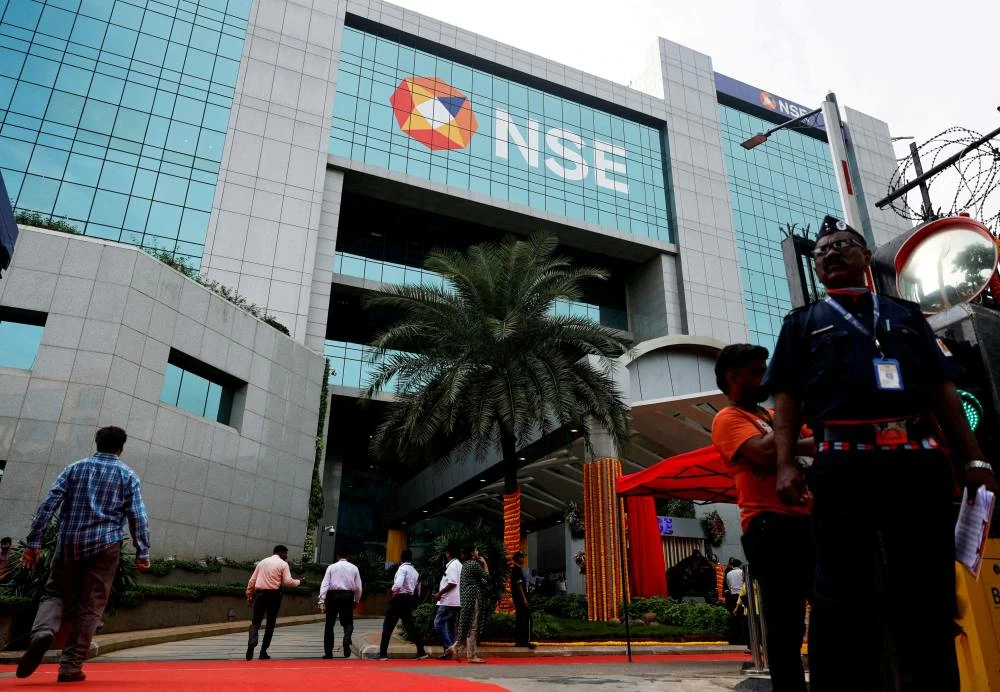
India's NSE to launch $2.3b IPO amid investor caution over derivatives-fuelled growth

MUMBAI: The National ‌Stock Exchange of India (NSE) will launch its $2.3 billion public offering on Wednesday amid investor caution over capital market firms because of declining derivative trading volumes, which have already impacted the offer price. The IPO for India's biggest bourse - set to be the country's third-largest ever - will begin with anchor investor bidding from institutional funds and is an offer-for-sale from existing private shareholders with no new capital being raised. Open subscriptions will begin on Thursday and close on September 21. Investors are being asked to value the world's largest derivatives bourse at a time when its biggest growth engine is slowing down, raising questions about ⁠how much of the exchange’s extraordinary derivatives-driven growth can continue. The NSE shares will be offered in a price band of 1,700 to 1,785 Indian rupees ($17.72 to $18.60), valuing the company at $46 billion, public filings showed on September 11. However, that is 15% to 20% lower than the valuation sought in pre-deal roadshows, according to two sources with direct knowledge of the matter who spoke on condition of anonymity, and is 40% lower than what ‌private markets sales of NSE shares in 2024 indicated. Investors are reluctant to pay higher prices because of regulatory changes that have slowed growth in options trading and an overhaul of trading rules to align Indian markets with global standards. The NSE gains 80% of its revenue from trading of which 60% is options trading and ‌those volumes have dropped 27% from their peak in 2024. "NSE's high exposure to derivatives is a double-edged ‌sword. Its dominant liquidity pool and scale are clear competitive strengths, but they also make earnings more sensitive to regulatory changes and shifts in ‌trading activity," said Gary Tan, portfolio manager at Allspring Global Investments. Still, ‌even at this valuation, NSE would be among the top 10 largest listed exchanges globally. At the lowered offer price, several global institutional investors, including sovereign wealth funds and long-only asset managers, have provided commitments, the two sources with knowledge of the ‌matter said. That includes Abu Dhabi Investment Authority, Singapore's GIC, Fidelity, Carmignac, Norges Bank Investment Management and Life Insurance Corporation of ⁠India (LIC), they said. GIC, Norges, ADIA, Carmignac and Fidelity declined to comment when contacted by Reuters, while queries sent to LIC were not answered. In a press conference on Saturday, Sriram Krishnan, chief business development officer at NSE, pointed to a disconnect between the offer price and current shareholder expectations. "Some of the shareholders feel that the NSE's valuation is much more ⁠than the valuation at which we ⁠are proposing to do the IPO. To them NSE is more valuable. There is some money on the table, possibly." OPTIONS SLOWDOWN TESTS VALUATION The NSE has seen a bottom-line impact from its reduced derivative trading volumes. The exchange's revenue from operations fell 3.1% in the fiscal year ending March 2026, while profit dropped 15.5%. According ⁠to Bernstein, Indian equity derivatives volumes are entering a phase of normalisation and they forecast growth will slow to about 5% in the fiscal year ending in 2027 due to regulatory measures on options trading. Still, the NSE's IPO valuation implies a forward earnings multiple of 35 to 38 times FY2028 earnings, higher than the 23 to 31 times earnings global exchange operators Nasdaq, CME Group, Deutsche Börse, HKEX and LSEG currently trade. "The current pricing is factoring, options trading slowdown due to regulatory tightening and initial teething issues in the new mechanism to determine closing prices. ‌Perhaps had the IPO launched at any other time, valuation could have been better," said Anubhav Dayal, founder of Hong Kong-headquartered fund manager Soach Global Corporation. His flagship fund is selling 20% of its NSE holding in the offering. In the past 15 months, the NSE has launched electricity futures, electronic gold receipts, natural gas futures and incorporated a national coal exchange. On Saturday, NSE's Krishnan pointed to these efforts as positives that outweigh any short-term concerns around derivative volumes. "In the longer term, there will be so much diversification of revenue and as a natural consequence people will forget this current focus on index options," he said. ($1 = 95.9500 Indian rupees)

MBMobile BusinessReuters16 Sept