Iraq

Place · 218 articles
Share

All coverage

page 1 of 11

Kurdistan Region of Iraq announces Peshmerga unification

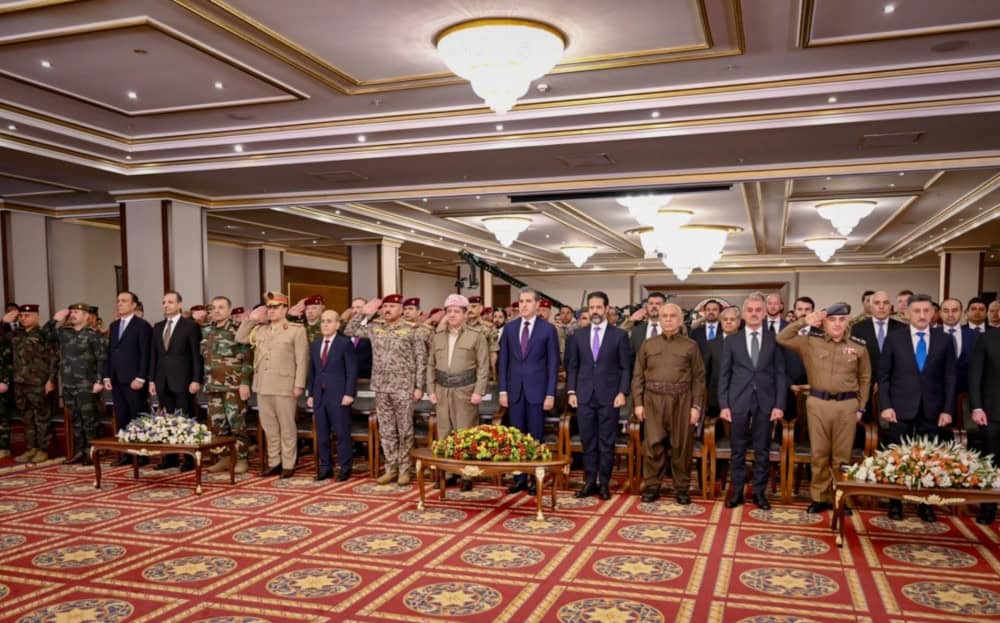
The Kurdistan Regional Government announced the completion of a years-long process to unify the Peshmerga armed forces under the Ministry of Peshmerga Affairs, ending longstanding divisions between units linked to the Kurdistan Democratic Party (KDP) and the Patriotic Union of Kurdistan (PUK). The move comes amid the departure of US forces, pressure to disarm Iran-backed militias, and efforts to strengthen cooperation between the Kurdistan Region and Baghdad.

Long War JournalLong War JournalSeth Frantzman5h ago

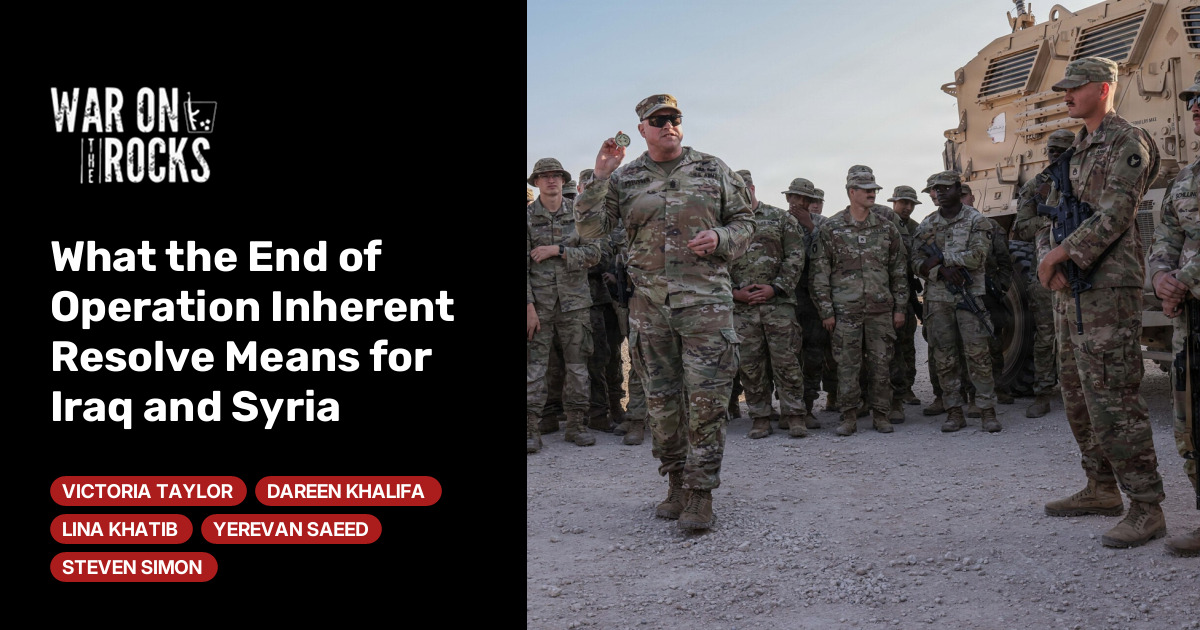
What the End of Operation Inherent Resolve Means for Iraq and Syria

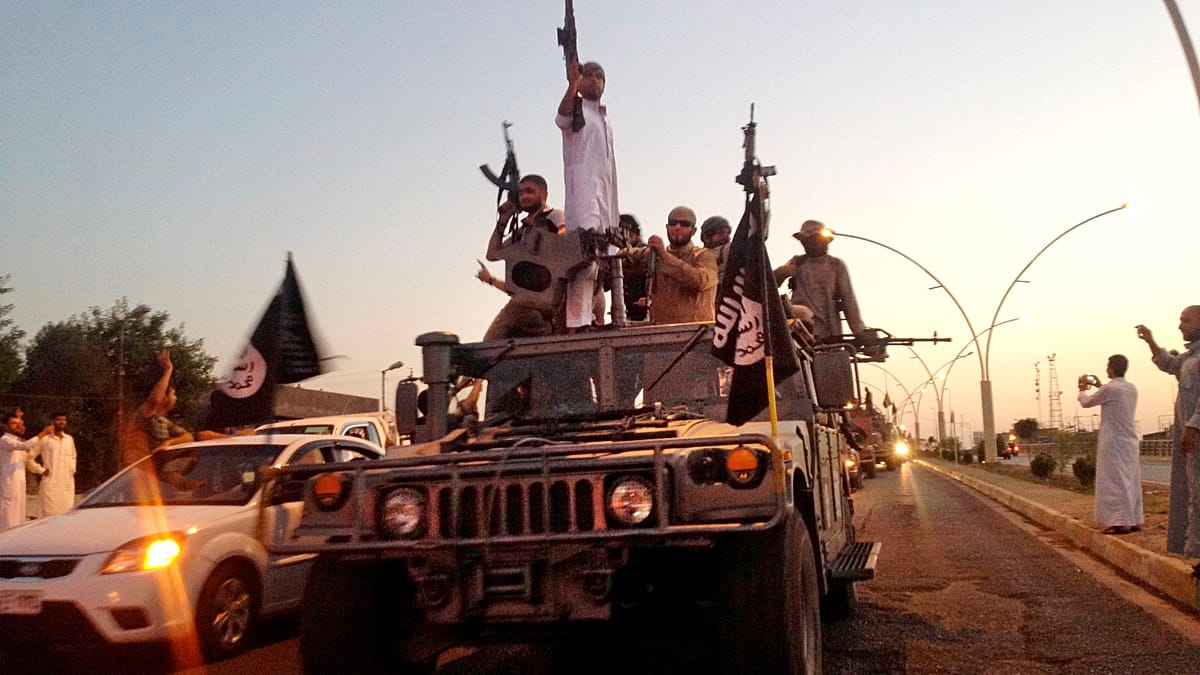
Operation Inherent Resolve is scheduled to end on Sept. 30, as remaining U.S. troops in northern Iraq complete their withdrawal. The United States formed Combined Joint Task Force – Operation Inherent Resolve in October 2014 to bring together partners to combat the Islamic State of Iraq and the Levant (ISIL), which had seized territory in parts of Iraq and Syria. The end of Operation Inherent Resolve highlights the success of coalition efforts against ISIL but also raises questions about future political stability and security in Iraq and Syria — and whether ISIL could rise again. The U.S. departure from northern

War on the RocksWar on the RocksSteven Simon23h ago

The U.S. Has More Leverage in Iraq Than It Thinks

If U.S. forces leave Iraq by 30 September 2026, Washington should view the departure not as the end of its relationship with Baghdad but as an opportunity to redefine it. The U.S. will retain influence in Iraq, but it will have to exercise that influence differently. America’s challenge will be transitioning from control to influence. For two decades, the military presence gave Washington an extraordinary degree of leverage over Iraq. Once U.S. troops leave, leverage will diminish, but the U.S. will retain important instruments of power:…

OilPrice.comOilPrice.comJames Durso22 Sept

UNHCR Returns to Syria Regional Update - (September 2026)

Countries: Syrian Arab Republic, Egypt, Iraq, Jordan, Lebanon, Türkiye Source: UN High Commissioner for Refugees Please refer to the attached file. REGIONAL OVERVIEW As of 31 August 2026, an estimated 1.8 million Syrians had returned from neighbouring countries, alongside over 2 million internally displaced persons (IDPs) who returned to their areas of origin. Return movements continued across the region, although patterns and volumes varied by operation. This edition focuses on the role of cash assistance in supporting voluntary return and reintegration. Across host countries and inside Syria, cash assistance helps refugees and returnees address practical barriers before departure, during movement and after arrival, including transportation, documentation, baggage, food, shelterrelated costs and other immediate household needs. Cash assistance is one part of UNHCR’s broader protection and durable solutions response. It complements counselling, legal assistance, information provision, protection monitoring, in-kind support, referrals and community-based services. It is not designed as an incentive to return; rather, it supports refugees and returnees who have already made, or declared, an informed and voluntary decision to return.

ReliefWebReliefWebUN High Commissioner for Refugees22 Sept

How Iraq’s iconic masgouf fish found a home in Dubai

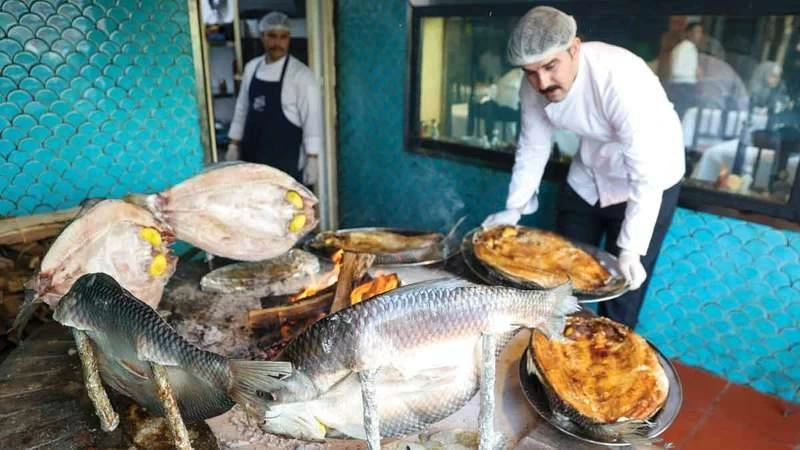
Dubai: Unlike most grilled fish dishes, Iraqi masgouf is not cooked directly over a flame. Instead, the fish is opened, cleaned and seasoned before being placed beside glowing embers, where it cooks slowly under the careful supervision of the chef. The process is as important as the dish itself. Time, patience and constant attention to the fire are central to a tradition that has been passed down through generations of Iraqi families and has travelled far beyond the banks of the Tigris and Euphrates. In Dubai, masgouf has found a new audience among Emiratis and residents from a wide range of nationalities, evolving from a dish associated primarily with the Iraqi community into one of the emirate's recognised culinary experiences. Decades of tradition Chef Azad Mohammed For Chef Azad Mohammed's family, the story of masgouf dates back to 1973 in Iraqi Kurdistan, where the family first began preparing the dish. In 1999, they brought that experience to the UAE through Erbil Iraqi Kebab restaurant, carrying with them skills and techniques accumulated over decades. The profession remained within the family, with knowledge passed down from one generation to the next, making the preparation of masgouf both a craft and a family tradition. Traditionally, masgouf is associated with river fish and open-fire cooking, making it an integral part of Iraqi food culture. Yet its significance extends beyond its ingredients. Preparation requires space, time and careful management of the fire, creating a visual spectacle for diners waiting for their meal. The fish is opened and placed near the embers, allowing heat to reach it gradually. The chef continuously monitors the fire, adjusting temperature, distance and cooking time to achieve the desired result. Azad said handling the fire, selecting the right fish and preparing it correctly are inseparable from the quality of masgouf, adding that years of experience have helped his family preserve the traditional method they learned in Iraq. A craft learned through experience Much of the knowledge involved in preparing masgouf remains unwritten. Like many traditional dishes, masgouf carries more than flavour. Picture: Dennis Mallari Chefs learn to read the heat of the fire, judge when the fish should be moved closer or further away and monitor subtle changes during the grilling process. Over time, these skills become practical knowledge transmitted through generations. According to Azad, mastering these details requires years of experience. He noted that not every type of fish is suitable for preparing masgouf in the traditional Iraqi style, as different varieties vary in texture and their ability to withstand the slow grilling method. Among the fish commonly used are sea bream and sea bass, with understanding their characteristics forming an essential part of the chef's expertise. More than a meal Like many traditional dishes, masgouf carries more than flavour. The aroma of the wood fire, the anticipation surrounding the cooking process and the gathering of family and friends around the fish become part of the experience and memory associated with the dish. When masgouf travels to a new city, it carries not only a recipe but also the customs and stories connected to it. The dining table becomes a space where a piece of its place of origin is recreated. Restaurant owners say the dish's popularity in Dubai extends well beyond Iraqi diners and increasingly includes Emiratis and residents from different cultural backgrounds. Its growing presence reflects the broader exchange of culinary traditions within Dubai's multicultural society, where food often serves as an introduction to another culture. Numbers behind the tradition According to Azad, between 100 and 150 fish are prepared daily, with each fish averaging around four kilograms in weight. This amounts to between 400 and 600 kilograms of fish being prepared every day. The figures highlight the scale of the operation and the labour-intensive nature of the craft. Each fish must be cleaned, prepared and carefully grilled, with the process relying on experience and constant supervision of the fire. In an era when many kitchens prioritise speed, masgouf remains deliberately slow. The fish needs time, the fire demands attention and customers must wait. For many diners, however, that waiting is part of the experience. One restaurant customer summed up the connection simply by saying: "I never miss Friday." For many families, the dish has become part of a weekly ritual centred on gathering together. A journey that continues In Dubai, where cuisines and cultures from around the world meet, masgouf has found a new audience without abandoning the elements that define it: fish, fire, time and expertise. Between the glowing embers and the dining table, the dish continues its journey as more than just a meal. It remains a craft that carries the memory of a place, a cooking tradition passed down through generations and a culinary experience that has crossed borders while retaining its Iraqi identity.

MBMobile BusinessMohammed Fadel20 Sept
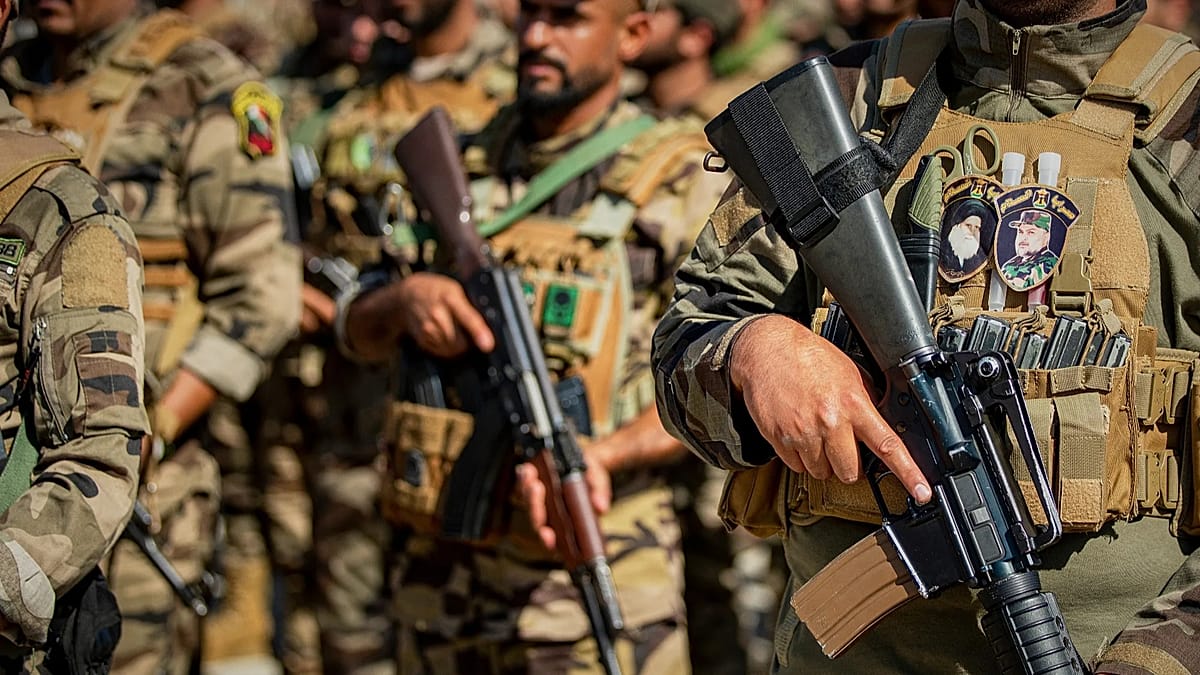
Yazidi armed group YBS to disarm, integrate into Iraqi security forces

The Sinjar Resistance Units (YBS), a Yazidi armed group with links to the Kurdistan Workers’ Party (PKK), has agreed to disarm and integrate eligible members into Iraq’s security forces as Baghdad seeks to stabilize Sinjar and facilitate the return of displaced Yazidis. The agreement comes amid broader efforts to disarm Iranian-backed militias in Iraq and parallels integration processes involving the Syrian Democratic Forces in Syria.

Long War JournalLong War JournalSeth Frantzman18 Sept

The Race to Build a World Beyond Hormuz

Every actor with the power to end this war has instead spent September building permanent infrastructure to live around it. The House voted for a third time Tuesday to curb Trump's war powers, passing the latest resolution 220-204, but there is little confidence it will make it through the Senate, and if it does, Trump would likely veto it. The one Gulf-wide diplomatic track aimed at reopening the strait (the Iran-GCC-Iraq meeting scheduled for September 11 in Oman) was postponed, with no new date set. And Treasury Secretary Scott Bessent (the…

OilPrice.comOilPrice.comEditorial Dept18 Sept

Republic of Türkiye Fact-sheet September 2026

Countries: Türkiye, Afghanistan, Iran (Islamic Republic of), Iraq, Syrian Arab Republic Source: UN High Commissioner for Refugees Please refer to the attached file. Developments in Syria following December 2024 have led to an increase in voluntary returns to Syria, with 723,000 refugees returning by August 2026 from Türkiye, which hosts one of the largest refugee populations globally. UNHCR supports the national asylum procedures and works in coordination with diverse stakeholders, including government institutions, local authorities, and civil society, in advancing refugee protection, inclusion, access to solutions, including voluntary return. Responsibility-sharing to enhance access to social services remains crucial, with an increasing need for diversified and flexible funding for the refugee response, as well as other solutions, such as resettlement and complementary pathways.

ReliefWebReliefWebUN High Commissioner for Refugees17 Sept

UNHCR Armenia Fact Sheet, February 2026

Countries: Armenia, Azerbaijan, Egypt, Iran (Islamic Republic of), Iraq, Syrian Arab Republic Source: UN High Commissioner for Refugees Please refer to the attached file. Strengthening asylum, protection, and legal frameworks to ensure access to territory, fair procedures, and durable solutions for refugees Delivering protection and solutions on the ground, including legal aid, community-based protection, livelihoods and inclusion, and support to refugee-led initiatives. Building preparedness and response capacity, working with government, municipalities, and partners to strengthen contingency planning, emergency readiness, and protection-sensitive responses. HIGHLIGHTS Advancing National Framework on Inclusive Livelihoods for refugees and host communities UNHCR, together with UNDP and UNRCO, supported the Government of Armenia and the Deputy Prime Minister’s Office to develop and launch a national livelihoods and employment framework for refugees from Karabakh, strengthening coordination with development and humanitarian partners. The framework focuses on jobs and skills, access to social protection and services, housing and local economic development, and private-sector engagement, benefiting both refugees and host communities through a whole-of-government, multi-partner approach.

ReliefWebReliefWebUN High Commissioner for Refugees17 Sept

UNHCR Sweden Fact Sheet, February 2026

Countries: Sweden, Afghanistan, Iraq, Syrian Arab Republic, Ukraine Source: UN High Commissioner for Refugees Please refer to the attached file. Asylum system: Sweden has made strong contributions to refugee protection through a well-established asylum system, policy support and funding to UNHCRE. The current asylum system will be reformed in light of the EU Pact .implementation. Contributor of unearmarked funding: Sweden is UNHCR’s largest contributor of unearmarked funding. Swedens total contribution to UNHCR in 2025 amounted to $159.4 million. Stable and secure status: UNHCR advocates for Sweden to grant all beneficiaries of international protection a secure and stable status to facilitate integration. HIGHLIGHTS Fewer asylum applications and more returns The Swedish Government announced that asylum applications fell to 6,735 in 2025, a 30 per cent decrease compared to 2024. This is the lowest number recorded since 1984. At the same time returns have increased by nearly 60 per cent since 2022. Increase in grant for voluntary repatriation From January 2026, it is possible for refugees to be granted SEK 350,000 (close to $40,000) if they voluntarily decide to return to their home country. In UNHCR’s view, it is important that the decision to voluntarily return is based on a free and informed decision with access to updated and clear information about the situation in the home country and the return process, taking into account the underlying reasons for flight.

ReliefWebReliefWebUN High Commissioner for Refugees17 Sept

Hormuz Risk Opens $40-Plus Price Gap Between Crude Grades

Back in late June, after the United States and Iran agreed to cease hostilities in the Persian Gulf for 60 days, oil prices took a dive. Two months later, Brent is trading at over $107 per barrel, and WTI is moving closer to $103, as a deep chasm opens up between the price for oil stuck in the Gulf and oil that can be moved with no threat of a drone or missile attack. Iraq, OPEC’s number-two producer, has suffered some of the most severe disruptions in its oil industry because of the war between the U.S. and Israel, and Iran. The country…

OilPrice.comOilPrice.comIrina Slav15 Sept