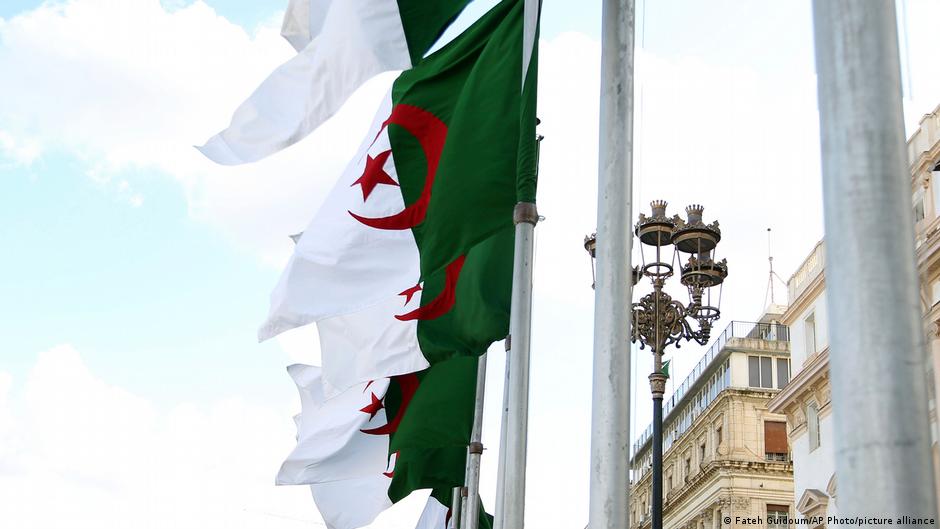
Algeria cuts diplomatic ties with UAE
Algeria said that it was closing its airspace and severing ties with the United Arab Emirates. Algiers accuses Abu Dhabi of destabilizing countries such as Libya, Sudan and Mali.
 Deutsche Welle10 Sept
Algeria said that it was closing its airspace and severing ties with the United Arab Emirates. Algiers accuses Abu Dhabi of destabilizing countries such as Libya, Sudan and Mali.
Deutsche Welle10 SeptOn 05/09/2026, a forest fire started in Sudan, until 09/09/2026.

Countries: Kenya, Burundi, Ethiopia, Rwanda, Somalia, South Sudan, Sudan, Uganda Source: UN High Commissioner for Refugees Please refer to the attached file. In the first quarter of 2026 (January to March), eight (8) country operations (Burundi, Ethiopia, Kenya, Rwanda, Somalia, Sudan, South Sudan and Uganda) from the Regional Bureau for Eastern and Southern Africa (RBESA) actively collected and analyzed community feedback to better understand the priorities, concerns and information needs of forcibly displaced and stateless populations. Community feedback continues to play a critical role in informing protection responses, programme adjustments and accountability efforts across the region. The report does not capture feedback from the former Southern Africa Bureau, as bilateral engagements on taxonomy alignment and data integration continued during this reporting period.
 ReliefWeb•UN High Commissioner for Refugees10 Sept
Countries: Sudan, Central African Republic, Chad, Egypt, Ethiopia, Libya, South Sudan, Uganda Source: UN High Commissioner for Refugees Please refer to the attached Infographic.
ReliefWeb•UN High Commissioner for Refugees10 Sept
Country: Sudan Source: UN Country Team in Sudan Please refer to the attached file. The Strategic Strengths, Weaknesses, Opportunities and Threats (SWOT) Analysis of PSEA Programming in Sudan (December 2025) identified a persistent strategic–operational disconnect as a core weakness undermining efforts to prevent and respond to Sexual Exploitation and Abuse (SEA). All stakeholder groups highlighted gaps between national‑level guidance and field‑level implementation, noting that while systemwide frameworks are robust on paper, they often fail to reach frontline staff and communities at risk. This checklist and guidance tool1 is designed to close that gap by operationalising PSEA within field operations. It serves as a quick‑reference card outlining the minimum actions required of PSEA focal points and project managers working in both field and remote locations. It translates strategic commitments into practical steps and includes targeted actions for programmes that present heightened SEAH risks due to their design, delivery modalities or level of direct community interaction. The tool can be applied at any stage of the programme cycle and provides a practical mechanism for monitoring and tracking progress. It will also support State PSEA Working Groups in gathering feedback on agency‑specific actions and strengthening collective accountability for PSEA measures.
ReliefWeb•UN Country Team in Sudan10 Sept
Country: Sudan Source: UN Country Team in Sudan Please refer to the attached file. This document provides simple, clear messages for partners to use when speaking with communities about Protection from Sexual Exploitation and Abuse (PSEA). It can be used during community meetings, awareness sessions, outreach activities, community dialogues, radio messaging, posters, and one‑on‑one conversations. Key considerations: * Messages should be delivered in plain language, using examples that communities understand. * Share information in safe, respectful and culturally appropriate ways. * Ensure women, men, girls, and boys, persons with disabilities, children, vulnerable groups, as well as persons with low literacy levels can access and understand the messages. * Convey the same meaning and principles for the Arabic and local language translations. * Staff and volunteers delivering these messages should be trained on PSEA, know how to respond safely to SEA disclosures, and understand that Do No Harm is the foundation of all communication.
ReliefWeb•UN Country Team in Sudan10 Sept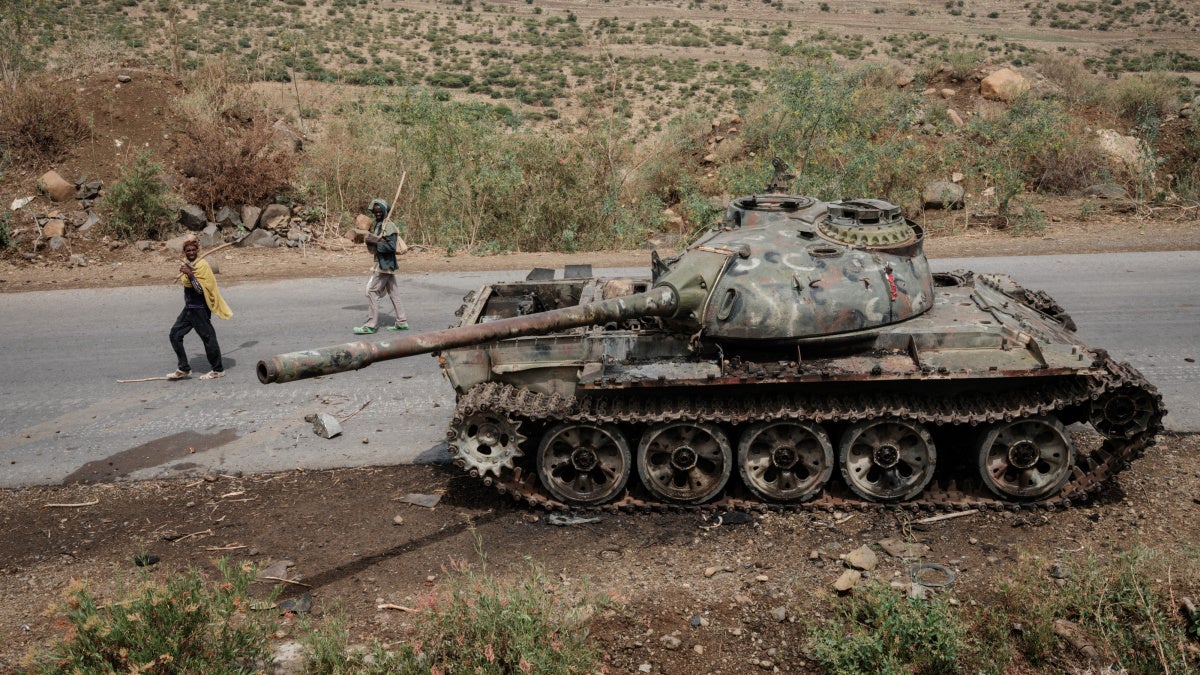
Click to expand Image Farmers walk past an alleged Eritrean army tank abandoned in Dansa, southwest of Mekele in Tigray region, Ethiopia, June 20, 2021. © 2021 Yasuyoshi Chiba/AFP via Getty Images Barely a week after African leaders met in Luanda, Angola to strengthen the African Union’s conflict prevention capacity, escalating tensions in northern Ethiopia are testing whether the AU can turn early warning into action. Tensions between Ethiopia’s federal government and the Tigray People’s Liberation Front (TPLF), the Tigray region’s main political party, have grown for over a year amid increasing disputes around the implementation of the AU-brokered November 2022 Pretoria Cessation of Hostilities Agreement. Both parties have accused the other of military mobilization, while unresolved questions over contested territories, the safe return of displaced people, and disarmament threaten the agreement. In August heavy fighting erupted between Ethiopian federal forces and Tigrayan forces near Ethiopia’s border with Sudan with reports of artillery and drone strikes. The AU has expressed concern about rising tensions in Tigray as far back as March 2025 and Human Rights Watch has repeatedly highlighted concerns for the safety of civilians. In April, we documented continuing abuses against Tigrayans by authorities and security forces in Western Tigray. More recently, we documented TPLF forcibly recruiting civilians in Tigray, including children as young as 15. The political mechanisms intended to manage growing tensions are under strain. However, efforts to revive the mediation dialogue have raised concerns about whether the existing mediation channel retains both parties’ confidence. The AU Peace and Security Council, of which Ethiopia is a member, called on August 12 for strengthening the Continental Early Warning System to bridge the gap between early warning and early action. The Council validated on August 24 a new Trigger Model for Early Warning and Response, intended to connect identifiable risks with timely preventive action. Days later, at their extraordinary summit in Luanda, African leaders emphasized strengthening conflict prevention, mediation, and early warning and early action. Developments in northern Ethiopia now present a concrete opportunity to put those commitments into practice. The AU should intensify engagement with Ethiopia’s federal government and the TPLF to address the disputes threatening the Pretoria agreement. It should assess whether the existing mediation arrangement needs strengthening and call for public reporting by its Monitoring, Verification and Compliance Mechanism on compliance with the agreement, including allegations of remobilization and abuses against civilians. The 2020-2022 conflict brought devastating abuses and civilian suffering. The AU should act before escalating tensions spiral out of control.
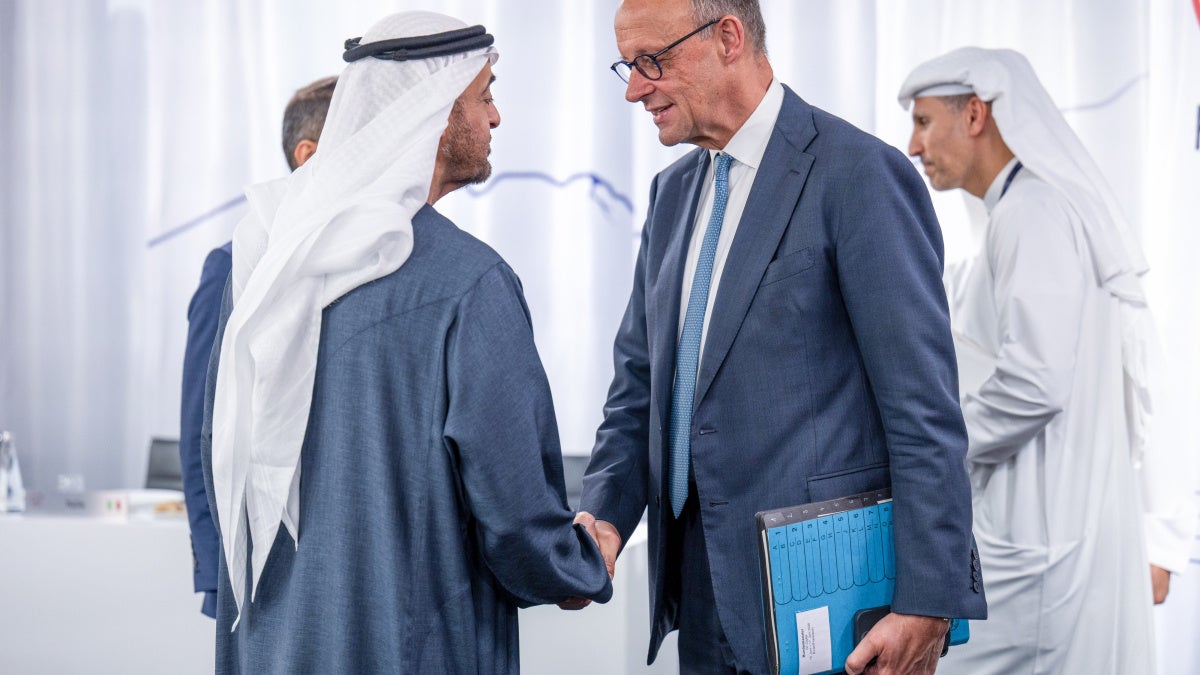
Click to expand Image Germany's Chancellor Friedrich Merz, UAE's President Sheikh Mohamed bin Zayed al-Nahyan during a work lunch as part of the G7 summit, in Evian, eastern France, on June 16, 2026. © Ammar Abd Rabbo-Pool/SIPA/2606161433 (Sipa via AP Images) (Berlin, September 8, 2026) – German Chancellor Friedrich Merz, President Frank-Walter Steinmeier, and other senior officials should publicly call out the United Arab Emirates’ human rights record and its role in regional conflicts when they meet President Sheikh Mohammed bin Zayed Al Nahyan in Berlin on September 10, 2026, Human Rights Watch said today. “The German government’s lack of will to publicly address the UAE’s devastating role in Sudan is deeply troubling,” said Philipp Frisch, Germany director at Human Rights Watch. “Germany led the way for robust UN investigations into atrocities in Sudan, and hosted a major conference in Berlin on the issue earlier this year. This makes its failure to address the UAE’s harmful role in Sudan all the more jarring, effectively providing a free pass for future abuses.” The UN Fact-Finding Mission on Sudan, which Germany helped establish in 2023, published a report on September 1, 2026, documenting the UAE’s support to the Rapid Support Forces (RSF), one of the warring parties in the conflict for control of Sudan since April 2023. The report concluded that the RSF was responsible for war crimes, crimes against humanity, and abuses the UN investigators found to bear “hallmarks of genocide.” UN investigators concluded that “individuals and entities operating from, registered in, or linked to the United Arab Emirates played a significant role in networks involved in the recruitment, financing, transportation and deployment of foreign military contractors and the provision of military-related support benefiting the Rapid Support Forces.” The UAE has denied these allegations. In a May 2026 report, Human Rights Watch concluded that the Abu Dhabi-based security company, Global Security Services Group had since 2024 hired hundreds of Colombian private military contractors deployed to Sudan to fight alongside the Rapid Support Forces. Private military contractors were in El Fasher, North Darfur’s capital, in October 2025, when the RSF took over the city and committed widespread atrocities. Human Rights Watch has urged Germany and other EU member states to investigate the role of the Global Security Services Group and its CEO, Mohamed Hamdan al-Zaabi, with a view to adopting targeted sanctions against them. Human Rights Watch has also urged the EU countries to adopt an EU-wide arms embargo against the UAE and publicly denounce its assistance to the Rapid Support Forces. Human Rights Watch has long documented extensive repression by the UAE at home against dissent, widespread restrictions on free expression and association, and serious abuses against migrant workers, including during the regional conflict with Iran. Emirati authorities have targeted dissidents, activists, and critics through prosecutions and lengthy prison sentences. In 2025, UAE courts confirmed the unfair conviction of 83 human rights defenders and dissidents in the country's second-largest mass trial. Among those convicted, the prominent human rights defender Ahmed Mansoor has been detained since 2017 and sentenced to lengthy prison terms in retribution for his human rights work. News organizations have reported that Germany and the UAE are expected to announce a major investment partnership during the upcoming visit. The visit will also include meetings with German arms manufactures and a state banquet. Germany's efforts to strengthen economic and security relations with the UAE should not come at the expense of addressing serious human rights concerns within the country and its role in abuses in armed conflicts, Human Rights Watch said. “How can German leaders keep a straight face when they roll out the red carpet for bin Zayed and boost security cooperation with the UAE, while the Emirates fuels atrocities in Sudan,” Frisch said. “Germany should make it clear that it stands ready to sanction UAE entities transferring arms and fighters to assist repression in Sudan, and should call for the release of Ahmed Mansoor and other unjustly jailed critics.”

They fled a brutal civil war to reach safety in Egypt, but now many Sudanese women and girls are falling prey to sexual exploitation Sudanese women who fled to Egypt to escape the war in their country are facing increasing levels of sexual exploitation, with the Guardian told of single mothers forced to sell their bodies to survive and feed their children. Many of the women have not previously worked in Sudan, where conservative social norms dictate that men are usually responsible for financial support. Without established trades or professions, and with their husbands and other family members dead or missing, many female refugees are struggling to pay for food, medical care and rent. Continue reading...
 The Guardian•Guardian reporters7 Sept
The country’s future depends on events beyond its borders, as well as within them

The EU's sanctions may stabilize Sudan's conflict but could also influence global gold markets, affecting prices and economic forecasts.
 CryptoBriefing•Estefano Gomez15 Jul
The EU's ban may disrupt Sudan's conflict funding but risks rerouting gold through other markets, potentially limiting its effectiveness.
CryptoBriefing•Editorial Team14 Jul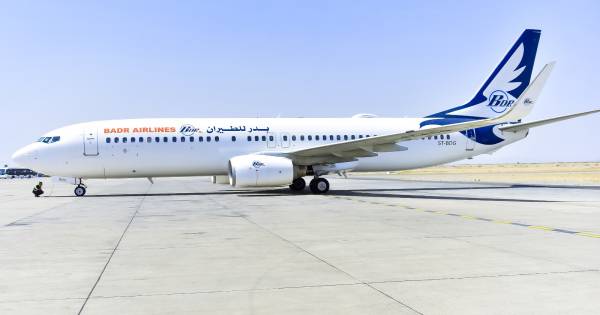
BADR Airlines, a leading privately owned airline in Sudan, has selected Maureva, a trusted provider of airline revenue accounting and financial solutions, to strengthen its revenue accounting processes through EDGAR Managed Services.
In Sudan, hundreds of thousands of people have been killed, 13 million have been displaced and 19 million are facing acute starvation. Using satellite imagery, leaked documents and reports and on-the-ground footage, we trace how weapons are moving into Sudan through a covert supply chain linked to the UAE and how the UK is accused of being complicit in the atrocities, choosing its relationship with the UAE over its responsibility towards Sudanese civilians. The UK minister for development, Jenny Chapman, said: 'Claims that the UK failed to act on warnings of mass atrocities are wrong. 'For many months, the UK led efforts at the United Nations and through direct diplomatic engagement to press all parties to de-escalate the violence. 'We have been clear and consistent: the atrocities committed by the RSF are abhorrent and must never be repeated. Both parties must comply with international humanitarian law, those responsible for violations must be held accountable, and all external support to armed actors fuelling this conflict must end immediately.' The UAE has repeatedly denied it funds or arms the RSF Continue reading...
The Guardian•Mark Townsend, Elena Morresi, Laure Boulinier and Sarah Bertram1 Jul
Sanctions may disrupt foreign recruitment, potentially weakening armed groups and altering power dynamics in Sudan's prolonged conflict.
CryptoBriefing•Editorial Team26 Jun
Foreign Office failed to act on warnings of genocide due to ‘pressure’ from emirates, Yale human rights investigator will tell a parliamentary select committee The British government had received intelligence that Ethiopia appeared to be supporting a genocidal militia in Sudan’s civil war as far back as 2024 but did not go public with the news for fear of upsetting the United Arab Emirates (UAE), a parliamentary committee will hear. In May 2024, officials from the Foreign, Commonwealth and Development Office (FCDO) told Nathaniel Raymond , an American human rights investigator at Yale University, that “significant private pressure” from the UAE meant the UK would not publicly divulge information linking Ethiopia and the emirates to their support for the paramilitary Rapid Support Forces. Continue reading...
The Guardian•Mark Townsend23 Jun
The RSF leadership, accused of committing genocide, used UAE as a ‘safe haven’ for family members and their wealth, records show A network linked to the leadership of a militia accused of genocide has amassed a vast property portfolio in Dubai as part of a sprawling “paramilitary-industrial complex” across Africa and the Middle East, an investigation has revealed. Family members, individuals under sanctions, and entities linked to the leader of Sudan’s Rapid Support Forces (RSF), Mohamed Hamdan Dagalo, known as Hemedti , have acquired more than 20 luxury properties, worth £17.7m, in the United Arab Emirates (UAE), according to the Sentry, a US investigative group. Continue reading...
The Guardian•Mark Townsend28 Apr
Donors exceed funding target at Berlin conference but prospects for ceasefire remain distant More than £1bn (€1.15bn) has been pledged for war-ravaged Sudan at a conference in Berlin, eclipsing the funding target organisers had set to help mitigate the world’s largest humanitarian crisis. The financial commitments made on Wednesday will also help offset a chronic humanitarian funding shortfall in a country devastated by three years of conflict, where two-thirds of its population – 34m people – require assistance. Continue reading...
The Guardian•Mark Townsend15 Apr
Experts argue sensor and satellite data reveal targeted attacks on farming communities by the Rapid Support Forces were intended to prevent villages producing food There is strong evidence that the Rapid Support Forces (RSF) committed a war crime by depriving the villagers of north Darfur of the means to produce food, legal experts argue in a new analysis published today calling for the Humanitarian Research Lab’s (HRL) revelations to be used in international courts. The destruction of the villages, farming equipment and infrastructure all provide strong evidence of a “starvation strategy” against a population already struggling with food insecurity because of the war, says Tom Dannenbaum, a professor at Stanford Law School and a leading expert on the use of starvation in war. Continue reading...
The Guardian•Kaamil Ahmed and Alex Clark10 Mar
As the UK prepared to host a global summit on bringing peace to Sudan, the RSF paramilitary began a ‘genocidal’ massacre in Zamzam refugee camp. But when reports emerged of the killings, London held its silence. For the first time, using intelligence reports and witness testimony, we piece together what occurred during the April atrocity – and why it was not stopped Continue reading...
The Guardian•Mark Townsend, video by Elena Morresi7 Aug 2025