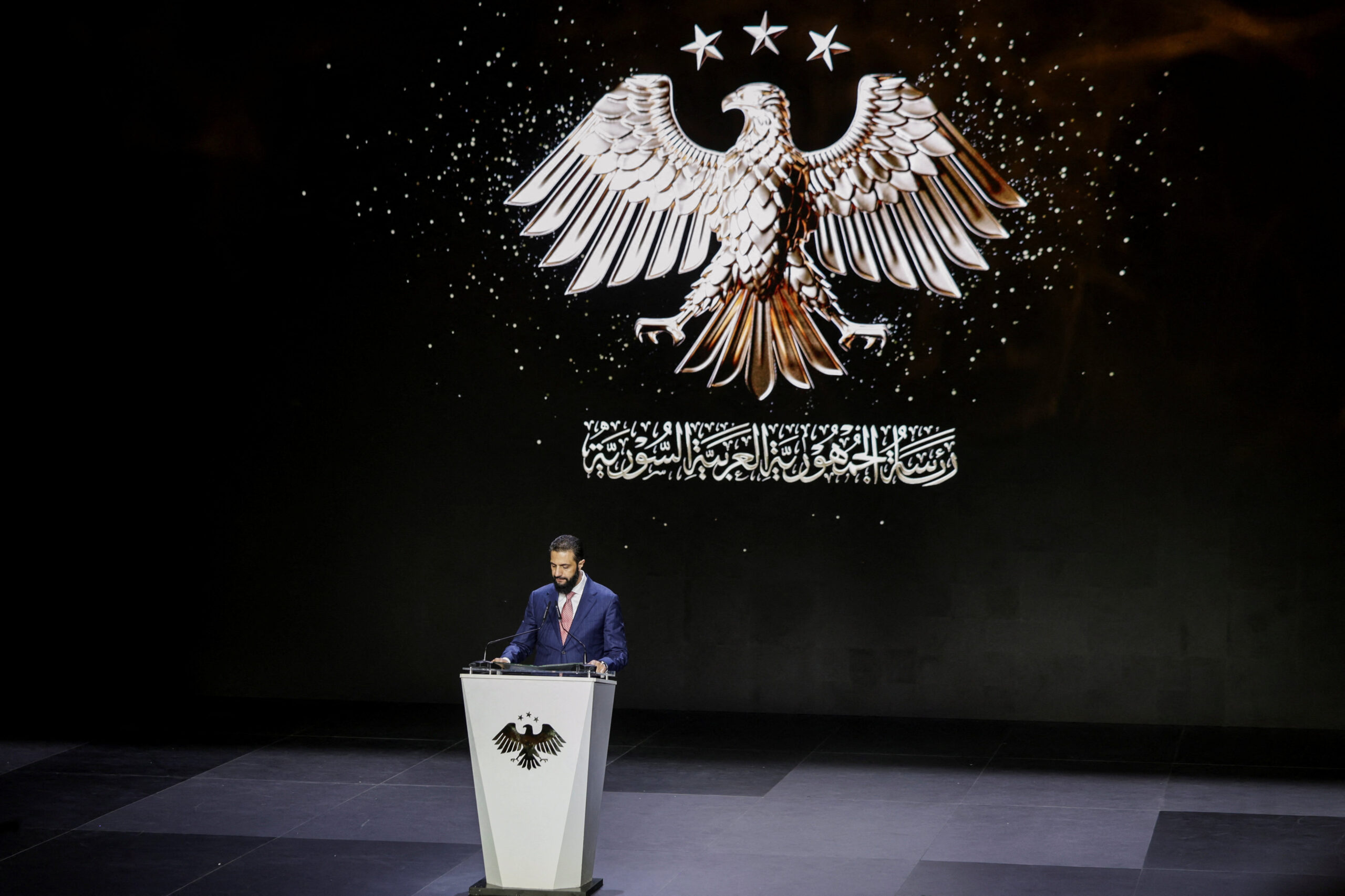
The Syria policy the US got wrong—and the bittersweet moment Washington finally got right
A former State Department official dissects how the US helped defeat ISIS but didn't protect the Syrian people.
 Atlantic Council•Wa’el Alzayat21 Sept
A former State Department official dissects how the US helped defeat ISIS but didn't protect the Syrian people.
Atlantic Council•Wa’el Alzayat21 Sept
Repeated blasts at military sites expose the risks facing Syria as it rebuilds its army after years of war.
 Al Jazeera21 Sept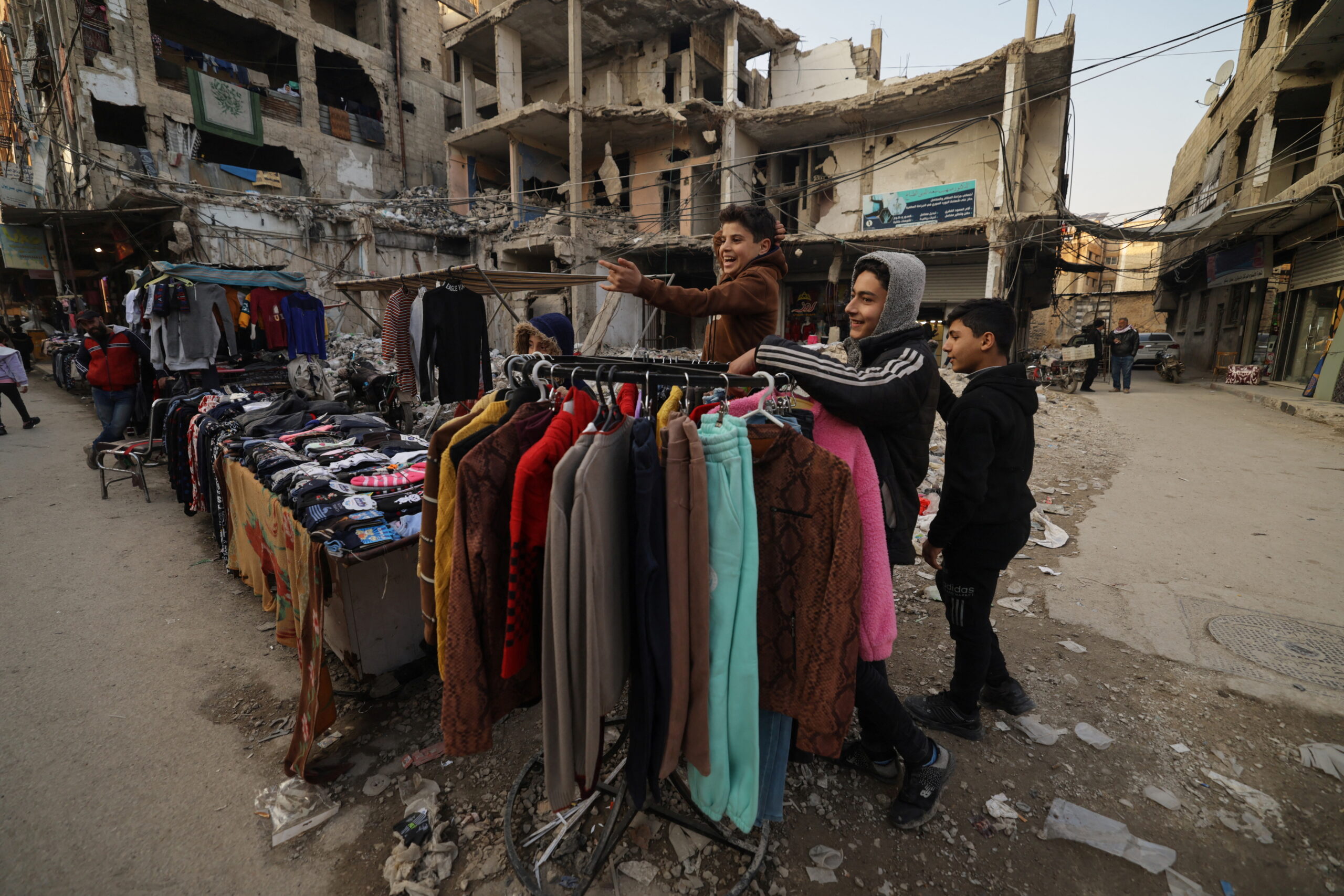
It’s been twenty months since Bashar al-Assad’s fall. People expect more, and patience is wearing thin.
Atlantic Council•Arwa Damon21 Sept
From protests against rising fuel prices in Syria to Canadian Prime Minister Mark Carney’s EU charm offensive to Quito’s wildfires and Céline Dion’s return to the stage, FRANCE 24 looks back at the week's most striking pictures.

Thousands of people cheered as they welcomed Syrian icon Assala Nasri back at a sold-out concert in Damascus.
Al Jazeera18 Sept
Former air officers, including an air force general, were arrested in a series of operations.
Al Jazeera18 Sept
The Sinjar Resistance Units (YBS), a Yazidi armed group with links to the Kurdistan Workers’ Party (PKK), has agreed to disarm and integrate eligible members into Iraq’s security forces as Baghdad seeks to stabilize Sinjar and facilitate the return of displaced Yazidis. The agreement comes amid broader efforts to disarm Iranian-backed militias in Iraq and parallels integration processes involving the Syrian Democratic Forces in Syria.

A new study sheds light on how Syrian archaeologists risked their lives to rescue approximately 30,000 priceless artifacts from the Deir ez-Zor Museum during the summers of 2014 and 2015 as the city faced the imminent threat of capture by the Islamic State of Iraq and Syria (ISIS), also known as Daesh.
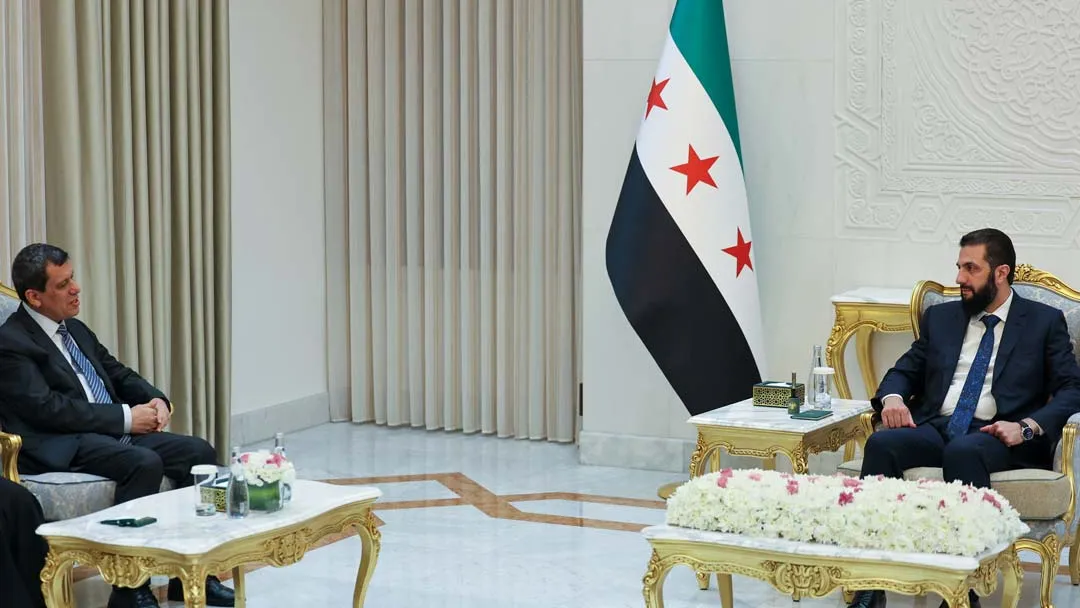
The Kurdish-led Syrian Democratic Forces, which long enjoyed de facto autonomy in north-eastern Syria, have dissolved. But tensions in the region remain high as talks about integration with the central state proceed. Further compromise would set a useful precedent for other parts of the country.
The Palestinian Columbia student snatched by ICE writes about his Kafkaesque ordeal with a quiet fury Mahmoud Khalil was completing a master’s degree at Columbia University when, in March 2025, plain-clothed officers from the Department of Homeland Security snatched him from his home in New York and took him to an immigration detention centre; he was then transferred to another facility in Louisiana, more than 1,000 miles away. As a green card holder, Khalil has permanent US residency, but secretary of state Marco Rubio had determined that his continued presence in the country would have “adverse foreign policy consequences for the United States”, and sought his deportation under a legal provision dating back to the McCarthy era. Khalil was released on bail in June 2024 after a federal judge ruled his detention unconstitutional, but the Trump administration is still trying to have him removed. Khalil – who was born to Palestinian parents in a refugee camp in Syria – had been targeted because of his advocacy on behalf of pro-Palestinian protesters during campus protests over Columbia University’s links to Israel. They were calling for Columbia to cut its ties with Israeli academic institutions and companies profiting from Israel’s onslaught on Gaza; in response, the university called in the NYPD. There was no suggestion that Khalil had done anything unlawful, and no criminal charges were brought against him; the government had simply identified him as an influential pro-Palestinian voice on campus, and for that reason alone they wanted him gone. He spent a total of 104 days in detention, missing the birth of his son. Continue reading...
 The Guardian•Houman Barekat18 Sept
UNSC meeting on Syria turned into a heated debate between Israel and Turkiye over troops in Syrian territory.
Al Jazeera18 Sept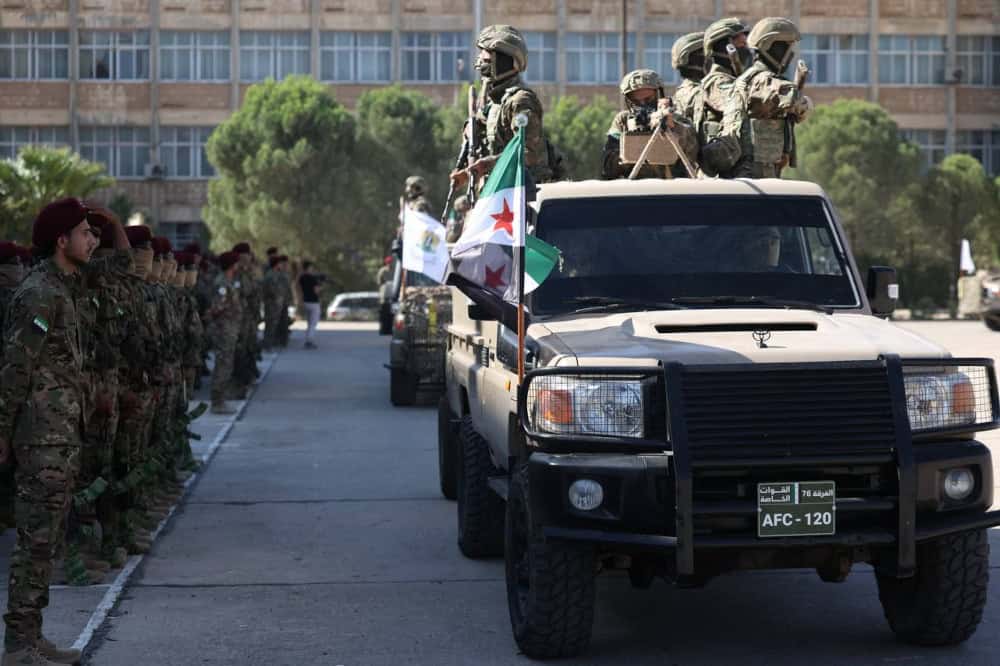
Syria’s post-Assad military is rebuilding rapidly, but its structure and foreign dependencies could limit Damascus’s ability to advance US security interests. If security cooperation from Turkey and Russia comes with strings attached, it may jeopardize Syria’s potential as a future partner against the Islamic State and Hezbollah.

Tripoli intercepted 100,000 tablets bearing the late Libyan leader's image shipped via Europe in a Renault Master van, while Benghazi's investigators separately seized captagon tablets assessed to have originated in Syria, where the al-Assad regime once industrialised the billion-dollar trade.
 Euronews17 Sept
Countries: Malta, Libya, Sudan, Syrian Arab Republic, Ukraine Source: UN High Commissioner for Refugees Please refer to the attached file. UNHCR established its presence in Malta in 2005 and monitors access to territory and reception, while promoting fair and efficient asylum procedures in line with international standards. As of December 2025, Malta had issued 2,944 Temporary Protection certificates since the full-scale war in Ukraine began in 2022, with 80 per cent of certificates issued to women and children. As of mid-2025, there were 8,556 international protection holders in Malta. In 2025, 472 lodged asylum application mainly from Syria, Colombia, Bangladesh and Libya. HIGHLIGHTS Improved initial conditions and coordination for sea arrivals: Following a recent shift by the Government towards improved disembarkation arrangements, initial conditions and coordination during recent disembarkations have improved. After the first health checks at the disembarkation site, the identification and vulnerability screening are done in a better equipped facility; allowing UNHCR to provide asylum information and to support identification of vulnerable individuals. New Labour Migration Policy opens room for dialogue on refugee inclusion: UNHCR welcomed Malta’s new Labour Migration Policy as a positive step in addressing precarious work and the exploitation of foreign workers. UNHCR supported the Government with proposed measures to strengthen refugee selfreliance and economic inclusion, such as free work permits for refugees and the prioritisation of refugees in the “I Belong” programme for the early inclusion of refugees in society. Communities improved their access to services: UNHCR Malta works closely with refugee-led organizations (RLOs) to strengthen their capacity and expertise in delivering protectionoriented services to refugee communities. In November 2025, the RLO “Foundation for the Ukrainian Community of Malta” implemented a UNHCR grant aimed at supporting displaced Ukrainians in accessing services and delivering information sessions on rights and social protection.
 ReliefWeb•UN High Commissioner for Refugees17 Sept
Country: Syrian Arab Republic Source: UN High Commissioner for Refugees Please refer to the attached Infographic.
ReliefWeb•UN High Commissioner for Refugees17 Sept
Country: Syrian Arab Republic Source: UN High Commissioner for Refugees Please refer to the attached Infographic.
ReliefWeb•UN High Commissioner for Refugees17 Sept
Country: Syrian Arab Republic Sources: Logistics Cluster, World Food Programme Please refer to the attached file. AGENDA 1. Syria status update 2. Establishing a Procurement Working Group 3. Logistics Sector updates 4. Staffing update 5. Any Other Business
ReliefWeb•World Food Programme17 Sept
Country: Syrian Arab Republic Source: Nutrition Cluster Please refer to the attached Infographic.
ReliefWeb•Nutrition Cluster17 Sept
Countries: Türkiye, Afghanistan, Iran (Islamic Republic of), Iraq, Syrian Arab Republic Source: UN High Commissioner for Refugees Please refer to the attached file. Developments in Syria following December 2024 have led to an increase in voluntary returns to Syria, with 723,000 refugees returning by August 2026 from Türkiye, which hosts one of the largest refugee populations globally. UNHCR supports the national asylum procedures and works in coordination with diverse stakeholders, including government institutions, local authorities, and civil society, in advancing refugee protection, inclusion, access to solutions, including voluntary return. Responsibility-sharing to enhance access to social services remains crucial, with an increasing need for diversified and flexible funding for the refugee response, as well as other solutions, such as resettlement and complementary pathways.
ReliefWeb•UN High Commissioner for Refugees17 Sept
Syria's judiciary on Thursday issued its first verdicts over the massacres of Alawites on the Syrian coast last year, sentencing a former member of government forces to 20 years in prison. A supporter of deposed president Bashar al-Assad received a death sentence and another was sentenced to life in jail.