U.Spage 5

Place · 3454 articles
Share

Coverage, page 5

page 5 of 171

DOJ fights lawsuit challenging Trump’s White House media ban: Access is a ‘privilege’

The Justice Department (DOJ) is standing by President Trump’s decision to ban CNN, MS Now and Politico from the White House, saying access to the complex is a “privilege” and justified under national security concerns. In a court filing late Tuesday, the Trump administration pressed U.S. District Judge Timothy Kelly to reject a request from…

The HillThe HillFinya Swai17h ago
  • neutral toward DOJ · 96%

Agassi tells Raducanu not to judge effort by results in comeback journey

Andre Agassi advised former U.S. Open champion Emma Raducanu to avoid judging ‌her effort by her results and be comfortable with herself, after she said his autobiography inspired her attempts to shake off a five-year performance slump in the majors. Eight-times ⁠Grand Slam winner Agassi endured a four-year barren spell between winning the 1995 Australian Open and 1999 French Open, during ‌which his ranking fell to 141st in the world. The American wrote about his battle ‌to regain his form in his ‌autobiography in 2009. Briton Raducanu, 23, has ‌not reached the ‌last eight of a major since her shock 2021 U.S. Open triumph. "I ‌would encourage her to focus on ⁠being the best of herself on a daily basis, but don't judge that by results ⁠or thinking ⁠that somehow you have to be 100%," Agassi told the BBC on Wednesday. "You have to ⁠learn to be 100% of whatever percent you're at (and) be comfortable in your own identity inside of that, not what people say." Japan's Naomi Osaka, who won her ‌fourth Grand Slam in 2021, also took inspiration from Agassi's book last year, when she reached the U.S. Open semi-finals for the first time in five years.

MBMobile BusinessReuters18h ago

Trump's deal with Denmark and Greenland: Key takeaways

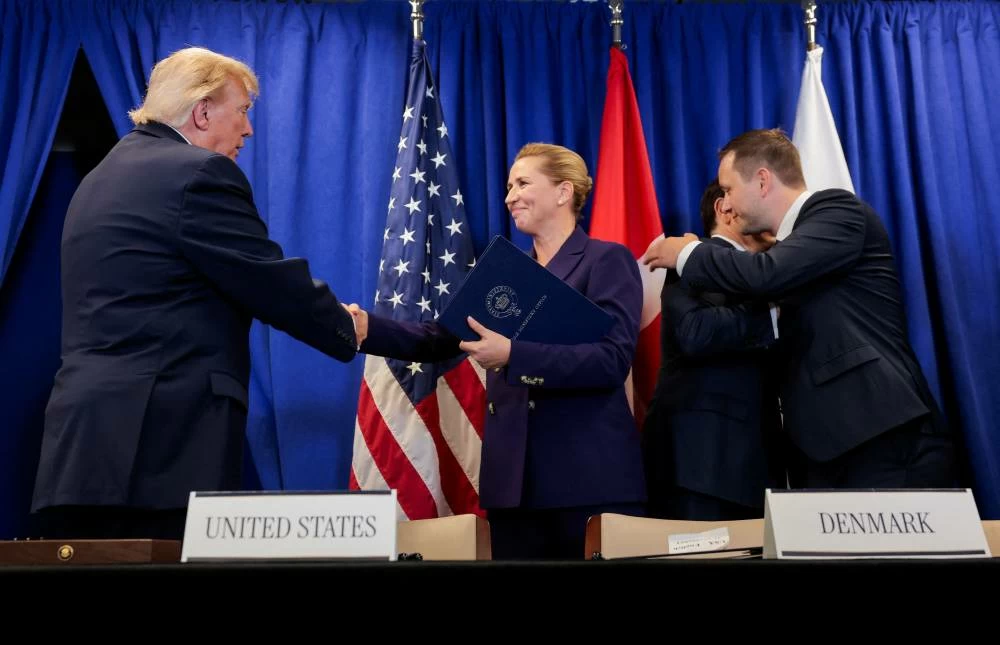
U.S. President Donald Trump and the leaders of Denmark and Greenland signed an agreement about the status of the Arctic island after months of threats by Trump to seize the semiautonomous territory of a NATO ally. The deal was officially signed Tuesday in New York, after U.S., Greenlandic and Danish officials had quietly negotiated for months behind the scenes - searching both for solutions to address some of Trump’s security concerns about the territory, as well as alleviating Danish and Greenlandic fears of being taken over by the U.S. The three parties expressed satisfaction with the deal at the signing ceremony - but what exactly does it say? Washington is allowed to "modernize and expand” its activities at the remote Pituffik Space Base in the northwest, according to the agreement. The U.S. can also set up "defence areas” at Narsarsuaq in the south and Mestersvig in the east, and "may establish additional defense areas in Greenland and strengthen its military operations or facilities.” The accord calls for wide U.S. military mobility on Greenland’s territory, including "undersea access," noting that " the security situation in the Arctic is changing and that more efforts are needed to ensure security there in the future.” US President Donald Trump, Danish Prime Minister Mette Frederiksen and Greenland Prime Minister Jens-Frederik Nielsen attend a trilateral signing event regarding a deal on Greenland The agreement reaffirms "the sovereignty and territorial integrity of the Kingdom of Denmark,” and recognizes the Greenlanders' "right to self-determination.” The agreement says all three parties "support a stronger NATO engagement in the Arctic, including as regards planning, presence, exercises, and joint intelligence gathering.” It allows U.S. military access to Greenland to defend the NATO area, Greenland itself and the American continent - including through a "Golden Dome defense system." The deal spells out that "no state that is not a member of NATO shall be allowed to establish its own manned or unmanned military installations in Greenland nor shall they be allowed a persistent presence of military forces in Greenland." In the preamble, the signatories recognize "the need to protect the pristine environment of Greenland.” It also stresses "the economic, social, and cultural rights of the people of Greenland, including with respect to their lands and their way of life, including hunting, fishing, and other traditional, cultural, historical, future activities.” The accord "does not have an end date” and, if Greenland chooses to become independent, it will agree to remain in NATO and take on Denmark’s rights and obligations under the deal. The deal will only "enter into force” once the "necessary parliamentary processes of the Kingdom of Denmark, in conjunction with Greenland, have been completed.”

MBMobile BusinessAssociated Press18h ago
  • critical toward Donald Trump · 95%

Will a U.S. Federal Tax Threaten Europe’s Production Boom? European Producers Don’t Think So: ‘The U.S. Is Falling Behind’

One of the hottest topics at this year’s Creative Investors’ Conference at the San Sebastián Film Festival is the likelihood and the effects of a U.S. federal tax credit for film production. Speaking at a panel titled “Europe’s Current Challenges and Opportunities,” Lorenzo de Maio of De Maio Entertainment said he doesn’t believe the measure […]

VarietyVarietyRafa Sales Ross18h ago

US air traffic control exposed: Outdated computers, cut cables, and parts bought on eBay

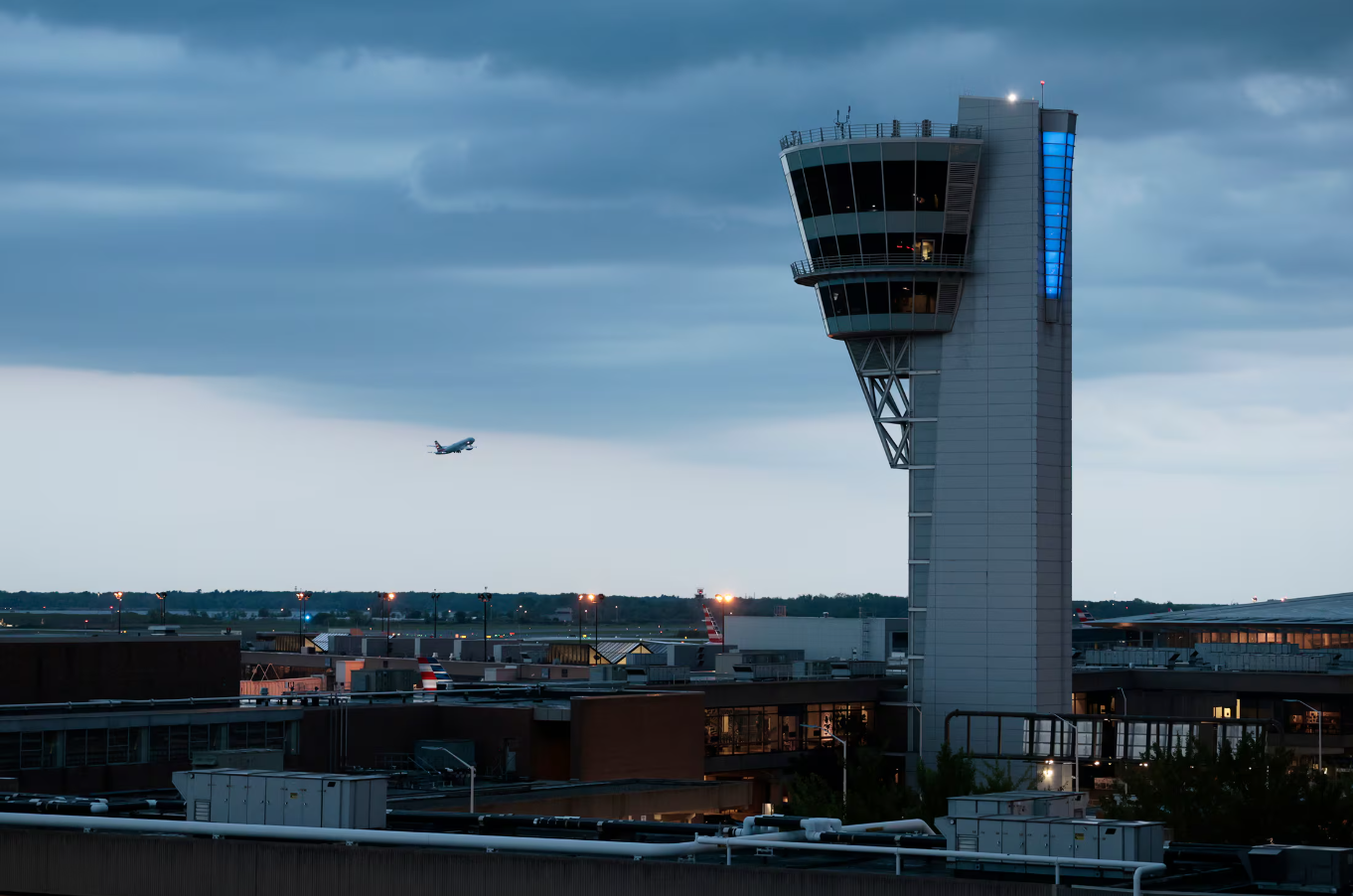
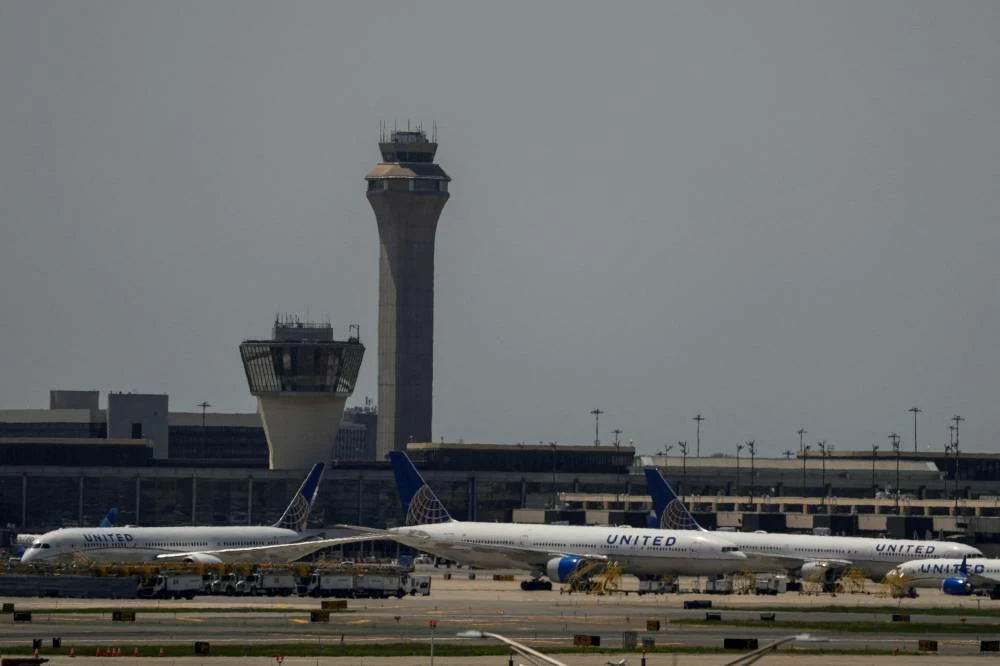
WASHINGTON: America's aging air traffic control system - reliant on outdated telecom systems, decades-old ‌Compaq computers and replacement parts bought on eBay - keeps failing. In the latest example, thousands of flights across the densely populated Northeast were delayed or canceled on Monday due to the dual failures of a circuit at a Philadelphia air traffic facility and the accidental cut of a fiber-optic cable near New Brunswick, New Jersey, by a construction crew. "The architecture of our telecom is still a 40-year-old architecture, which means you could have a switch go down and a line be cut yesterday and the Northeast goes down," U.S. Transportation Secretary Sean Duffy said on Tuesday. The disruption underscores how fragile the nation's air traffic control network ⁠has become after decades of delayed modernization efforts, underfunding and piecemeal fixes. Despite billions already spent or approved, the Federal Aviation Administration still relies on aging, often incompatible systems that can turn a single equipment failure or severed cable into flight chaos - a risk officials warn will persist without a far larger overhaul. In January 2023, all flights departing the U.S. were grounded for the first time since the September 11, 2001, attacks after a contractor accidentally deleted ‌computer files, affecting a key pilot messaging database. The outage disrupted 11,000 flights before the issue was solved. In September 2025, more than 2,000 flights were delayed and hundreds were canceled at two Dallas-area airports due to a telecom outage after a contractor cut fiber lines, impacting communication systems at the Dallas airports. It disrupted flights for 100,000 American ‌Airlines passengers alone. There have been repeated serious technology issues, which last year convinced Congress to approve $12.5 billion ‌to modernize air traffic control systems. Duffy said on Tuesday he wants another $30 billion to complete upgrades and fix facilities. "These incidents will continue to happen ‌unless we get the resources and actually build the architecture fit ‌for the 21st century," Duffy said. Across the Atlantic, Britain has also suffered major air traffic control outages this month that have led airlines to question the resilience of its systems. Aging technology The FAA has been forced to use 3D printing or to go ‌to eBay for replacement parts for some of its aging systems. In other cases, the FAA can no longer get ⁠spare parts. The Government Accountability Office in 2024 said the FAA needed to take "urgent action" to address aging air traffic control systems, noting that one-third are unsustainable. The FAA's more than 300 air traffic facilities cannot talk to one another and operate on individual analog computers. "Every facility is a silo," FAA Administrator Bryan Bedford told Reuters in a recent interview. "We're behind 20 ⁠years." He said effectively the FAA's towers are ⁠run on individual Compaq computers. The brand, which was acquired by HP, stopped producing computers in 2013. The FAA still has aging telephone systems and three telecom systems that are not interoperable and have a "clunky connection" that often forces delays, Bedford said. At the same time, the US has the world's most complex airspace and faces ⁠a shortage of several thousand air traffic controllers. One big step is expected in late 2027 when air traffic control will move from analog to digital communications. The FAA will later shift all of the facilities from running on individual computers to the cloud. The FAA has tried for decades to modernize the system, but those efforts have repeatedly fallen short. In 1982, the FAA first released a comprehensive plan for improving air traffic control services, estimating it would cost about $10 billion by the late 1990s. The Government Accountability Office in 1995 said the cost had ballooned to at least $36 billion on ‌the effort to consolidate facilities and standardize computer hardware and software. Another FAA reform effort dubbed "NextGen" launched in 2004 was pegged at $15 billion, but a report last year said it has faced numerous delays and cost overruns and is less ambitious than what was envisioned more than 20 years ago. "FAA has delivered a delayed, over budget, and less transformational NextGen than originally planned," said the Transportation Department Office of Inspector General. The FAA has also been working for years to end a long-ridiculed, decades-old practice of air traffic controllers using paper flight strips to keep track of aircraft. But adopting the change, which started in 2022, at 49 major airports will take the FAA until at least 2028. The FAA said 18 major airports have already ‌gotten rid of the paper strips.

MBMobile BusinessReuters19h ago