UAEpage 3

Place · 158 articles
Share

Coverage, page 3

page 3 of 8

Hamdan bin Mohammed reviews Ministry of Human Resources and Emiratisation’s projects and initiatives

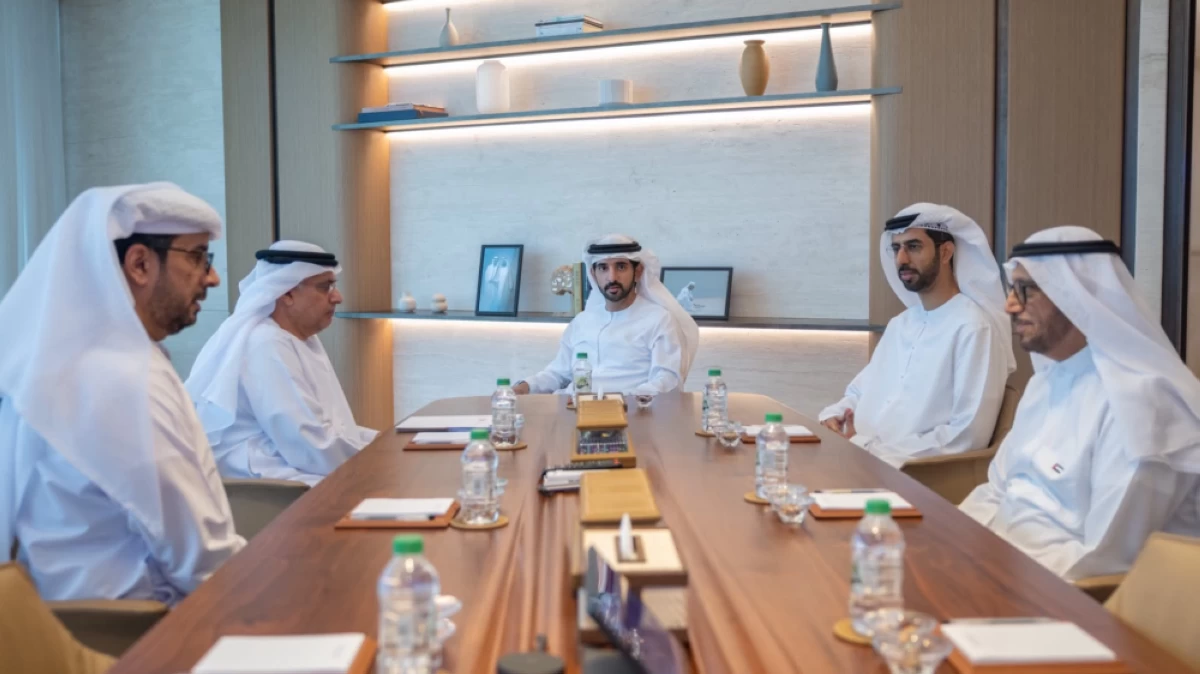
Dubai: His Highness Sheikh Hamdan bin Mohammed bin Rashid Al Maktoum, Crown Prince of Dubai, Deputy Prime Minister, and Minister of Defence of the UAE, and Chairman of The Executive Council of Dubai, received His Excellency Dr. Abdulrahman Al Awar, Minister of Human Resources and Emiratisation, and Acting Minister of Higher Education and Scientific Research. During the meeting, which took place at His Highness’s office, Sheikh Hamdan emphasised the importance of investing in national talent, enhancing its competitiveness and expanding its opportunities in the labour market. He also stressed the need for an integrated local and federal framework that supports national talent in contributing effectively to the UAE’s development and achieving its goals across various sectors. The meeting also reviewed efforts to develop the UAE’s labour market, including the use of AI and advanced technologies to enhance government services, improve efficiency, and better support employers and employees, in line with the UAE’s strategic goals of building a knowledge- and innovation-based economy and investing in human capital. Emiratisation was another key area of focus during the meeting, with an emphasis on increasing the participation of Emirati talent in the private sector and creating more specialised career opportunities. The discussions also highlighted the need to align higher education with labour market needs and expand scientific disciplines to equip future generations with the skills needed to support the UAE’s continued development. The meeting was attended by His Excellency Omar bin Sultan Al Olama, Minister of State for Artificial Intelligence, Digital Economy and Remote Work Applications; His Excellency Lieutenant General Mohammed Ahmed Al Marri, Director General of the General Directorate of Identity and Foreigners Affairs – Dubai; and His Excellency Major General Awad Hader Al Muhairi, Vice President of Dubai's State Security Department.

MBMobile BusinessEmirates24718 Sept

UAE employment surpasses pre-pandemic levels

The UAE labour market has maintained employment levels above those recorded before the COVID-19 pandemic, making it the only market among those in EMEA and Latin America where employment remains higher than pre-pandemic levels. A LinkedIn report for August 2026, which tracks July data and was obtained by Al Bayan, showed that employment in the UAE remained 5% higher than its July 2019 level. This comes at a time when the average decline in employment across the EMEA and Latin American markets covered by the report stood at 20.2%. The UAE's performance stands out compared with other markets. Average employment across the region remains 29.7% below July 2019 levels, while the UAE has managed to remain above pre-pandemic levels, according to LinkedIn data. The UAE labour market also recorded a notable shift towards flexible work, with remote job postings rising 44.3% year on year in July, the fastest growth rate among all markets included in the report. The UAE outpaced the Netherlands, which recorded growth of 33.9%, followed by Italy at 16.9% and the UK at 14%. Remote positions accounted for 5.9% of total paid job postings in the UAE in July, although their share declined by 3.7% compared with the previous month. Hybrid roles accounted for 6.5% of total job postings in the UAE during July.

MBMobile BusinessMishal Al Abbas18 Sept

Early queues at Dubai Mall as iPhone 18 goes on sale in UAE

Since 5:30 a.m. on Friday, Dubai Mall has witnessed large crowds of people eager to buy the new iPhone 18 series across all models. Customers lined up outside the Apple Store awaiting the start of sales and the opportunity to obtain the latest devices, coinciding with their launch in the UAE market. The turnout follows a pre-order period that saw strong demand for the new devices, amid reports that some models sold out within less than 20 minutes of pre-orders opening. Apple does not allow direct purchases from its official stores on launch day, as the day is primarily reserved for customers who have pre-ordered their devices and selected in-store collection. These customers are notified by email of their designated pick-up time. UAE market The early turnout reflects the strong interest in new iPhone releases in the UAE market, particularly as the UAE is among the first countries in the world where the new device is available. The country also ranks second globally after the United States for the lowest purchase price of the iPhone 18 Pro, with the device priced at AED 5,099 in the UAE. The UAE has also maintained its position as the cheapest market for the iPhone 18 Pro in the Middle East and North Africa, enhancing the attractiveness of the local market for those seeking to purchase the latest Apple devices as official sales of the new generation begin. Price list The iPhone 18 Pro starts at AED 5,099, while the iPhone 18 Pro Max starts at AED 5,499. Storage capacities for the new models range from 256GB to 2TB. Apple's first foldable phone, the iPhone Duo, will arrive in the UAE market at a later date. Pre-orders will open on October 16, with availability beginning on October 23. Prices in the UAE will start from AED 8,499, adding a new model to the company's smartphone portfolio this year. UAE's first buyer Mohammed Shaka, a Pakistani accountant, was waiting at Dubai Mall to receive his new phone, becoming the first buyer of the iPhone 18 Pro Max following the device's launch on Friday. Shaka said that he was delighted to receive the phone, adding that he had been eagerly anticipating the moment, particularly because he is an iPhone enthusiast who makes a point of purchasing each new version. He said that every iPhone launch feels special to him and noted that his connection with the product goes back many years. He began buying iPhones with the release of the iPhone 4 and has continued purchasing subsequent models ever since. His passion extends beyond using the devices. Shaka maintains a collection of vintage iPhones acquired over the years, displaying them on shelves in his home as part of a personal collection. This year, Shaka chose the iPhone 18 Pro Max to add to his collection and expressed his happiness at being the first buyer of the new device at its UAE launch.

MBMobile BusinessIbadah Ibrahim18 Sept

UAE Cyber Security Council, Open Innovation AI launch specialised cybersecurity model

Dubai: The UAE Cyber Security Council (CSC) and Open Innovation AI have launched a specialised artificial intelligence model for cybersecurity, developed collaboratively in the UAE to support cybersecurity professionals and organisations in addressing increasingly complex digital threats. The model combines CSC’s cybersecurity expertise with Open Innovation AI’s engineering capabilities and is designed for applications including vulnerability analysis, secure code analysis and remediation, incident investigation, cyber-defence reasoning, security advisory analysis and support for cybersecurity operations. The initiative supports the development of advanced UAE-based capabilities in artificial intelligence and cybersecurity, while strengthening technological sovereignty, cyber resilience and control over sensitive technologies and data. Designed specifically for cybersecurity tasks and workflows, the model uses proprietary cybersecurity data and Open Innovation AI’s AI platform throughout its development and training. Its capabilities include vulnerability identification and assessment, secure code analysis, root-cause and impact analysis, security patch analysis, incident investigation and response support, and structured cybersecurity reasoning. The model is designed to support cybersecurity professionals rather than replace specialised security decision-making. It can also generate structured outputs for integration into cybersecurity platforms, security operations centres, enterprise systems and related workflows. It can be deployed in controlled, private and sovereign environments, enabling organisations to retain control over sensitive data and AI workloads. The model was trained using Open Innovation AI’s AI Fabric, leveraging distributed training and GPU optimisation capabilities to make efficient use of AI infrastructure at scale. The initiative aligns with the UAE National Strategy for Artificial Intelligence 2031 and national efforts to advance cybersecurity, digital resilience and sovereign technological capabilities. Mohamed Al Kuwaiti, Head of the UAE Cyber Security Council, said artificial intelligence is rapidly transforming the cybersecurity landscape, both in the evolution of threats and the tools used to counter them. He added that the collaboration combines specialised cybersecurity expertise with advanced AI capabilities to develop technologies that help professionals operate more effectively and respond to increasingly sophisticated threats. Rachid Belmeskine, CTO and Co-Founder of Open Innovation AI, said the company aims to contribute to building advanced AI capabilities in the UAE, particularly in strategic and high-impact sectors such as cybersecurity. He added that the collaboration brings together cybersecurity expertise, AI engineering and proprietary technology to develop a specialised model that can support professionals while operating within private, controlled and sovereign environments. The launch marks a new stage in cooperation between CSC and Open Innovation AI to advance artificial intelligence and cybersecurity capabilities in the UAE.

MBMobile BusinessWAM17 Sept

United Arab Bank ranks 10th globally in its peer group in Forbes’ World’s Top Performing Banks 2026

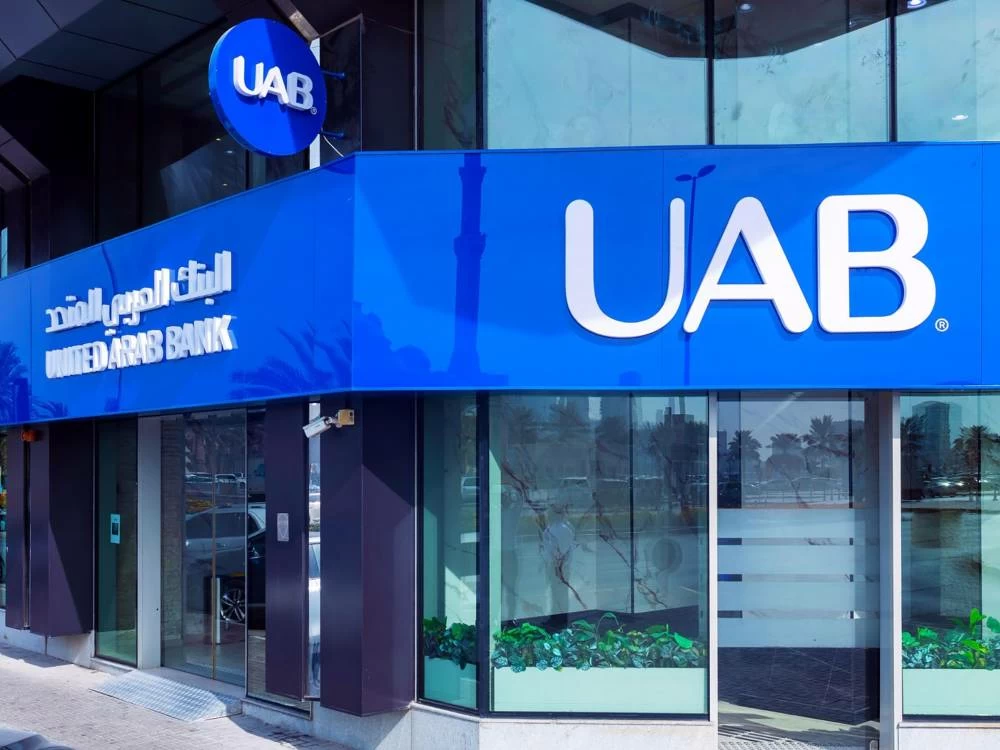
Sharjah: United Arab Bank (UAB) has been ranked 10th globally in its peer group in Forbes’ World’s Top Performing Banks 2026, recognising the Bank’s consistent financial performance, resilience and strategic progress. Forbes’ inaugural ranking, developed in partnership with Statista, evaluates banks using objective financial data across four key dimensions: profitability; growth and earnings quality; capital and funding resilience; and asset quality and efficiency. UAB was assessed within the peer group of banks with total assets between US$3 billion and US$10 billion, placing it among the top-performing financial institutions globally within its category. Sheikh Mohammed bin Faisal bin Sultan Al Qassimi, Chairman of the Board of Directors of United Arab Bank, said, "UAB’s ranking among the world’s leading banks in its peer group is a significant international recognition of the strength of the Bank’s financial position and the progress we have made in recent years. It reflects strategic focus, prudent risk management, and sound governance that have guided UAB’s development and strengthened its position for the future. As we build on more than five decades of banking in the UAE, our priority is to focus on creating sustainable value for our shareholders and customers, while contributing to the continued growth and development of the UAE’s economy. We are confident in UAB’s direction and remain committed to building a resilient, responsible, and forward-looking institution that is well positioned to capture the opportunities ahead.” Shirish Bhide, Chief Executive Officer of United Arab Bank, said, "Being ranked 10th globally in our peer group by Forbes is a strong validation of the progress we have made, the discipline with which we continue to execute our strategy and the strong foundation we have established for future growth. Our focus has been on strengthening the fundamentals of the business, deepening customer relationships and investing in the capabilities that will support UAB’s long-term ambitions. This achievement also reflects the guidance of our Chairman and Board of Directors, the dedication of our people and the continued confidence of our customers. We are proud of this recognition and remain firmly focused on the future, accelerating innovation, raising standards and delivering sustainable long-term value.” The ranking comes at an important stage in UAB’s evolution. In 2025, the Bank celebrated its 50th anniversary, introduced its refreshed corporate identity under the "United for You” brand, and strengthened its capital base through a fully subscribed AED1.03 billion rights issue, enhancing its capacity to support future growth and strategic investment. UAB delivered robust financial results in 2025, reporting net profit of AED438 million for FY 2025, up 45% year-on-year, while total assets increased by 26% to AED27.0 billion. This performance continued into the first half of 2026, with the Bank reporting net profit of AED201 million and total assets of approximately AED28 billion. The Forbes ranking further underscores UAB’s progress in building a resilient, customer-focused institution, supported by disciplined financial management and a clear strategic direction for the years ahead.

MBMobile BusinessWAM17 Sept

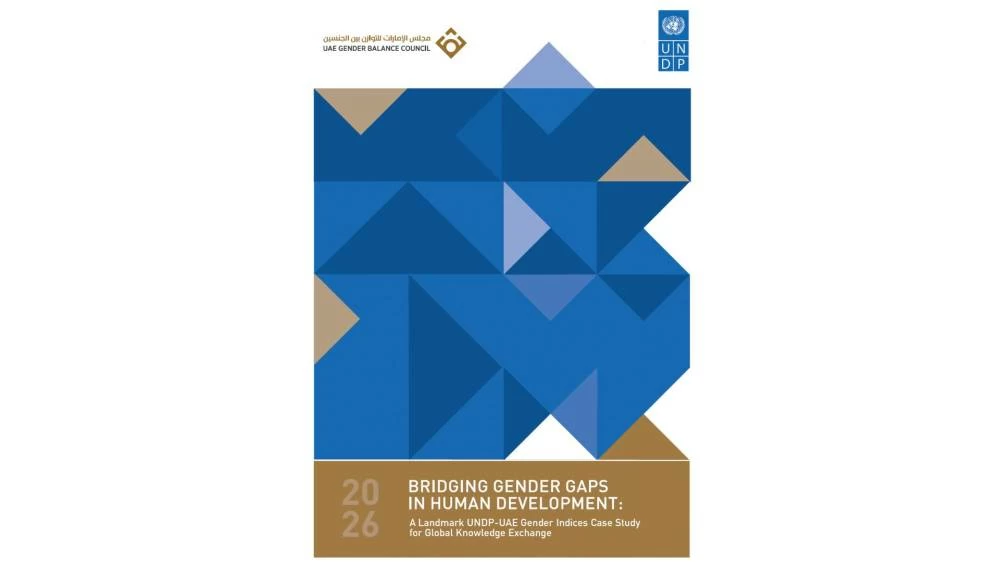
UAE Gender Balance Council and HDRO-UNDP launch first-of-its-kind publication linking Human Development Report indicators with national policy reforms

Dubai: The UAE Gender Balance Council and the UNDP’s Human Development Report Office (HDRO-UNDP) have jointly launched Bridging Gender Gaps in Human Development: A Landmark UNDP–UAE Gender Indices Case Study for Global Knowledge Exchange. It is the first publication jointly developed by HDRO-UNDP and a member state that connects Human Development Report indicators to the national policies and reforms that drive measurable development outcomes. Beyond international rankings, the publication examines the policy architecture underpinning the UAE's progress in human development and gender balance. The publication combines the analytical expertise of HDRO-UNDP   and the UAE Gender Balance Council's national policy perspective. It demonstrates how leadership, legislation, institutional reform and evidence-informed policymaking have translated national priorities into measurable results, while establishing a practical framework for international policy dialogue and mutual learning. The case study presents the UAE’s integrated development model built on sustained leadership commitment, forward-looking legislation, coordinated institutions, investment in people, data-informed policymaking and continuous review. The UAE has embedded gender balance within its broader approach to human development, economic competitiveness and institutional excellence, with the model continuing to evolve in response to emerging opportunities and challenges. The publication traces the UAE's development journey over more than three decades, illustrating how reforms across education, women's leadership, political participation, institutional governance and legislative development have contributed to measurable progress. Among the milestones highlighted is the achievement of equal representation of women and men in the Federal National Council, alongside sustained investment in education, healthcare and policies that support women's participation in public life and the economy. These reforms have helped position the UAE 15th globally and the first in the MENA region in the latest Human Development Index. The country also ranks 13th globally and is the first in the MENA region in the latest Gender Inequality Index. Her Highness Sheikha Manal bint Mohammed bin Rashid Al Maktoum, President of the UAE Gender Balance Council, said: “This first-of-its-kind publication highlights the UAE’s leadership in building an integrated development model and how national policies and legislation have driven tangible progress in human development and gender balance. It reinforces our model as a global reference for sustainable development, grounded in partnerships, evidence and knowledge exchange that strengthen policy effectiveness and support lasting impact. We are pleased to share our experience while learning from other countries, supporting practical, two-way exchange that advances inclusive and sustainable development in line with each country’s national context.” Her Excellency Mona Ghanem Al Marri, Vice President of the UAE Gender Balance Council, said: "The value of this case study lies in making the policy architecture behind the indicators visible. It explains how the UAE translated national priorities into measurable progress and shares practical insights that can support policy dialogue, mutual learning and future cooperation. Pedro Conceição - Director of the Human Development Report Office, UNDP, said: “This collaboration reflects a shared commitment by the Human Development Report Office of HDRO-UNDP and the UAE to advancing human development through evidence, policy innovation and international knowledge exchange. By bringing together global expertise and national experience, it strengthens understanding of how gender equality can be embedded within broader development strategies and translated into measurable progress. Partnerships of this kind enable countries to learn from one another, adapt successful approaches to their own contexts, and accelerate lasting improvements in people’s lives.” The collaboration reflects a shared commitment to practical policy exchange and international cooperation. It enables the UAE to share its development experience and lessons learned, while drawing on the experiences, innovations and best practices of other nations. This two-way knowledge exchange supports evidence-informed policymaking and contributes to more effective development solutions across diverse national contexts. A defining strength of the UAE model is its commitment to continuous measurement, evaluation and adaptation. The case study identifies opportunities to further strengthen women's economic participation and leadership, while reinforcing the importance of regularly reviewing policies and outcomes as circumstances evolve. The publication establishes a platform for continued international policy dialogue, mutual learning and practical knowledge exchange, enabling the UAE Gender Balance Council and HDRO-UNDP  to deepen cooperation, share policy experience and learn from successful practices around the world. The report also supports countries in developing context-specific approaches to human development and gender equality and has inspired a broader HDRO-UNDP series exploring national policy experiences.

MBMobile BusinessEmirates24717 Sept

British Airways to resume daily London-Dubai flights on November 3

British Airways is preparing to resume flights to Dubai from November 3, restoring part of the air connectivity between the United Kingdom and the United Arab Emirates after services were suspended amid regional unrest. The airline will operate one daily flight between London and Dubai during the winter season. The frequency will increase to two daily flights during the summer season as part of a gradual return to its regional services. British Airways had earlier postponed the resumption of Dubai flights from October 25 to November 3. British Airways' flights to Abu Dhabi will remain suspended until the 2027-2028 winter season, reflecting the airline's gradual approach to restarting its network in the region. British Airways suspended flights to the UAE on February 28, 2026, after war broke out between the United States and Iran. The airline subsequently postponed plans to resume services several times due to continued regional instability. The airline said it continues to monitor developments in the Middle East and update its flight schedule to provide greater clarity to customers. It stressed that the safety of passengers and crew remains the priority in decisions on flight operations. During the unrest, the airline said it helped thousands of passengers return home, operated relief flights and added capacity on a number of major long-haul routes. British Airways' return to Dubai is part of a series of schedule adjustments by international airlines in the region, as carriers continue to reassess operations in light of developments affecting regional airspace.

MBMobile BusinessEmirates24717 Sept
  • neutral toward British Airways · 96%

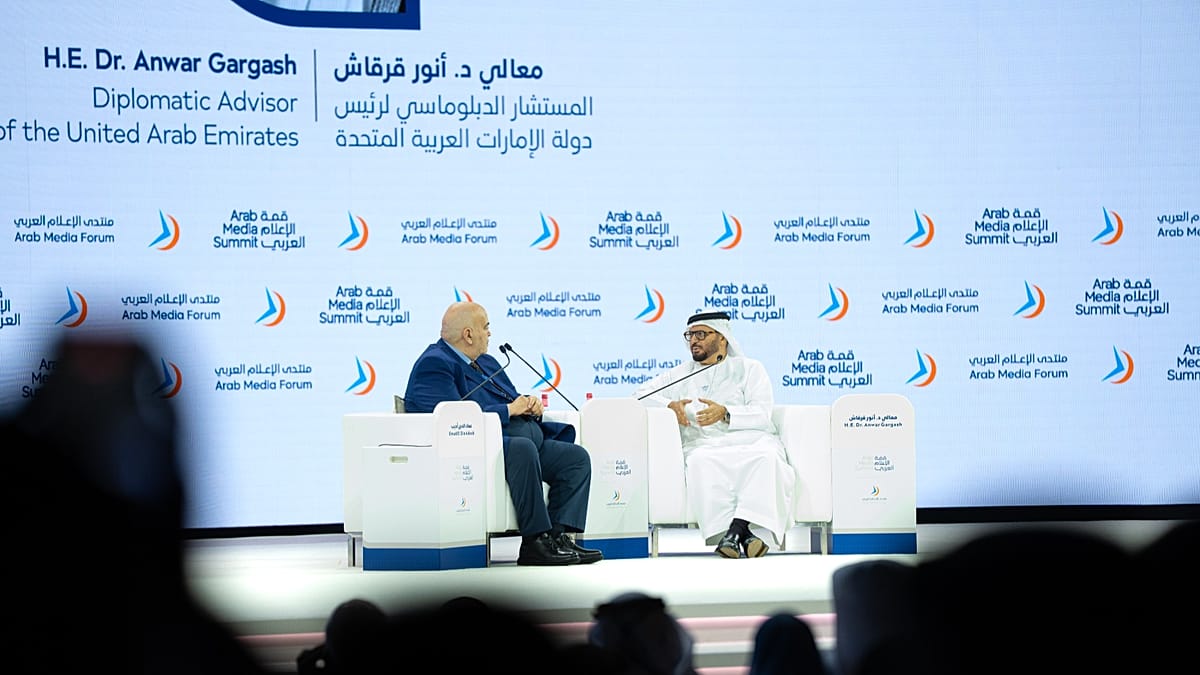
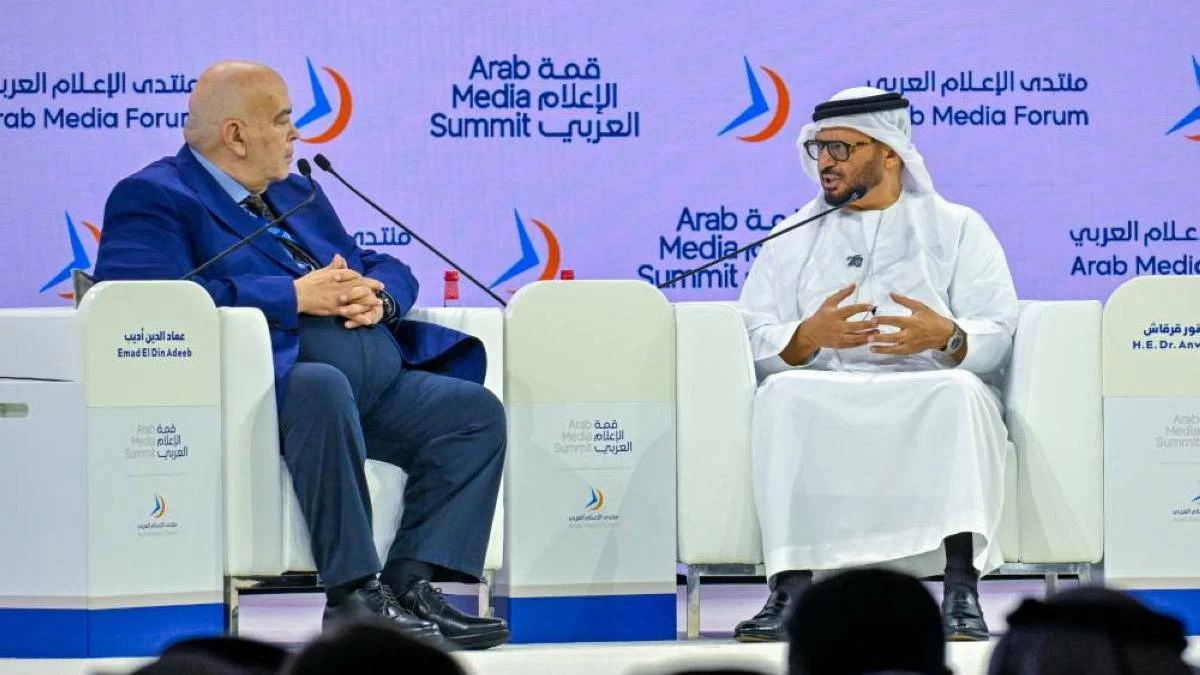
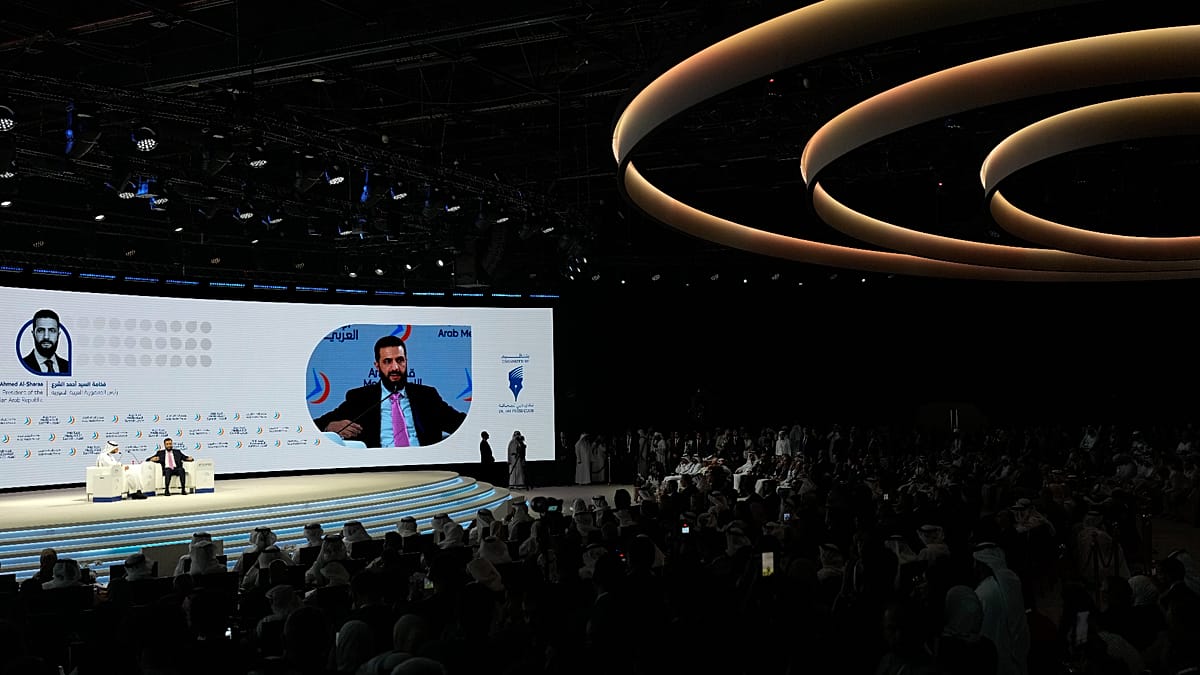
Anwar Gargash: UAE balances deterrence and dialogue while staying on track for growth

His Excellency Dr. Anwar bin Mohammed Gargash, Diplomatic Adviser to the UAE President, said the UAE's approach to the current situation is based on two parallel tracks. The first is managing the current crisis and confrontation while minimising damage. The second focuses on assessing the future shape of regional relations, given the region's geographical proximity and complex, interconnected ties. Speaking during the session, "Media in the Time of Major Transformations," on the third day of the Arab Media Summit, moderated by Emad Eddin Adib, Gargash said there is a growing focus on understanding the current situation and finding a way out of it. He noted that the region remains in a state of crisis and confrontation, making it essential to manage this phase and limit its impact. At the same time, it is important to consider the nature of future relationships that will emerge after the crisis. He said the realities of geography and interconnected relationships require looking beyond the current crisis. He noted that the region has witnessed the collapse of the previous security framework, creating a need for new understandings suited to the next phase. Gargash said the UAE's approach to this complex situation is based on three main pillars. The first is deterrence and the defence of the UAE's sovereignty. The second is maintaining the flexibility needed for dialogue with Iran to establish a new framework for future relations. He said the current crisis will eventually come to an end and stressed the importance of managing it wisely. At the same time, efforts must be made to pave the way for a new chapter in the post-crisis period. He added that the third pillar relates to the leadership's commitment to protecting the country's sovereignty and people. He said the UAE's leadership is focused on taking all necessary measures to safeguard the nation under the current circumstances. Gargash stressed that, alongside managing the crisis, the UAE is continuing what he described as a "geo-economic policy" to ensure the uninterrupted progress of its economic and development agenda despite regional developments. He highlighted the UAE's commitment to maintaining strong ties with the rest of the world, citing the successful visit of President His Highness Sheikh Mohamed bin Zayed Al Nahyan to Germany. He stressed that the UAE does not want current developments to hinder its economic and development trajectory or its engagement with countries around the world. His Excellency stressed the importance of distinguishing between maintaining relations with Iran and rebuilding trust. He said that continued relations, communication and dialogue are driven by practical considerations related to geography, history and shared interests. However, rebuilding trust, in his view, will take many years. Gargash said relations between Iran and the countries of the region are essential and therefore require ongoing communication and dialogue. He said this dialogue should not be confined to day-to-day issues such as trade, aviation and maritime affairs. It should also address deeper issues, including guarantees of non-aggression and discussions about a future that preserves stability for both sides and the wider region. He explained that such matters are part of building a relationship, while trust is a separate issue. Restoring trust, he said, will require many years in light of what he described as the "major aggression" faced by Gulf countries. He argued that the preparations for this aggression had been made long before and were not the result of an immediate decision. He added that it targeted not only the UAE, but the Gulf states as a whole. He said relations should be approached from a pragmatic and realistic perspective that takes into account the nature of the region, its geography, history and existing ties. Building trust, however, is subject to different considerations and requires time. Responding to a question about the immediate steps Iran should take to contribute to peace and stability in the region, Gargash noted that the Iranian president had publicly described Iran's attack on Gulf states as a "major mistake". He said the mistake was strategic in nature. While it may have achieved short-term goals, it created a more complicated situation for Iran in the long run. He said Iran's multiple centres of decision-making need to adopt a different view of Gulf countries from the one that led to the decision to attack them. He stressed that the first step in that direction is refraining from targeting Gulf states. He added that this also applies to other issues, including the use of militias, attacks on some Gulf countries, and attempts to impose a new reality in the Strait of Hormuz. He said Iran would not be able to impose such a reality and that what is needed is a realistic approach to the region and its surroundings. Gargash said the countries neighbouring Iran are best placed to help mediate and support efforts to move the country out of its current crisis. He added that they could also contribute in the future to restoring Iran's economic and development prospects, which he said would be affected by the war. "The first step is to stop tensions in any form," he said. He explained that it is impossible to negotiate a new future while threats and attacks continue. Ending tensions, he said, is the starting point for shaping a different future. Responding to a question about Iranian accusations that the UAE had taken actions against Iran, Gargash said the UAE has defended itself and will continue to do so, while also extending a hand of friendship and keeping the door open to dialogue. He noted the presence of multiple centres of decision-making within Iran and said some statements may reflect the views of more hardline factions. In response to a question about whether Iran's decisions are made unilaterally, Gargash noted that since 1989, Supreme Leader Ali Khamenei has had the final say in Iran's decision-making. He said it would be difficult for any individual or institution to inherit that role in the same way. He added that engagement today requires dealing with multiple centres of influence within Iran. He said he would not describe them as "belligerent", but rather as "different", which helps explain the variation in statements and positions emerging from within the country.

MBMobile BusinessSaeed Al Washahi17 Sept

Spermageddon, ‘greedy jobs’ and abject fear: why birth rates are plummeting – and why it matters

The author of Generation Maybe, Camilla Cavendish, explains the many reasons people are having fewer children, from dating apps to unaffordable housing and the climate crisis Generation Maybe is the most tactful possible title for Camilla Cavendish’s bracing new book – because the trend she’s describing is anything but a “maybe”. “The wave of childlessness that is sweeping the globe is extraordinary,” she writes. It’s in the UK, where the fertility rate hit 1.39 children per woman in 2025 , the lowest on record. It’s across the Organisation for Economic Co-operation and Development, visible in so many measures – nearly half of Canadian women surveyed in their 40s said they’d had fewer children than they would have liked. But it’s also a global story. “The UAE, Chile and Tamil Nadu in India have even lower birthrates than Germany,” Cavendish writes. “China is growing old before it gets rich, and Russia has maintained its population size purely by annexing Crimea and parts of Ukraine.” In fact, when it comes to falling populations, “only the Black Death in the 14th century is comparable to what is happening now”. When I meet her in central London, Cavendish is tailored, self-possessed, you might even say poised, but very open – she never gives an opinion without asking yours, she talks very freely about her family and she is upfront about what she sees as her faults. Now 58, she started her career at McKinsey, the mega-management consultancy, having done PPE at Oxford at the same time as David Cameron, for whom she worked as policy director when he was in government and to whom she remains intensely loyal (every time his name comes up, we have a fight). Continue reading...

The GuardianThe GuardianZoe Williams17 Sept

iPhone 16 and 17 prices drop up to 19% in UAE ahead of iPhone 18 Pro launch on September 18

Dubai: E-commerce platforms and retail outlets have recently introduced price reductions on a number of previous iPhone models, coinciding with the approaching launch date of the highly anticipated new iPhone 18 Pro and iPhone 18 Pro Max models in the country’s markets, scheduled for Friday, September 18. A survey of a number of retail outlets revealed price offers on previous versions of iPhones, with discounts ranging between 10.6% and 19%, mainly including iPhone 16 and iPhone 17 models in various categories and specifications. The most notable offers included the sale of the iPhone 16 with 128GB of storage for Dh2,751, compared to a previous price of Dh3,399. The discounts also included offering the iPhone 16 Pro Max with 256GB of storage at a price of Dh4,179, instead of its previous price of Dh5,099, while the iPhone 17 Pro with 256GB of storage was offered at a price of Dh4,199, compared to a previous price of Dh4699. Consumers considered the discounts offered to be a positive development in the markets, as they allow those wishing to purchase these devices to obtain them at low prices. Meanwhile, retail officials considered that the offers were due to the increased intensity of competition in the markets, and the desire of stores to increase their sales shares and clear out their existing stock of old devices. In detail, consumer Khaled Amer said that the discounts offered by platforms and stores on previous versions of iPhones allow consumers to choose between different versions of those phones, noting that many consumers are looking to buy these devices at low prices, especially given the price differences between the new and previous versions. For his part, consumer Hassan Baher said that a large number of consumers prefer to buy previous versions of iPhones if they are offered at low prices, explaining that this usually happens in conjunction with the release of new versions in the markets, as stores seek to offer price deals on previous models to attract buyers and encourage them to make a purchase decision. Consumer Nadine Emad considered the discounts to be among the positive aspects that give consumers the opportunity to buy iPhones at good prices, noting that some consumers put price at the forefront of the factors that determine their purchasing decisions when they want to buy these products, and therefore the decrease in prices may encourage them to buy previous versions instead of waiting for the latest versions. Vikas Nilesh, a sales manager at an electronics store, said that retailers offering price reductions on previous iPhones, coinciding with the imminent release of new models, is mainly due to the growing intensity of competition in the markets and the desire of stores to increase and boost their sales shares. He added that competition between stores and platforms drives companies to offer deals and price reductions on previous releases, with the aim of attracting consumers and encouraging them to buy, especially as the new models are about to be released. Mohammed Shahid, a sales manager at an electronics store, agreed that offering discounts on previous iPhone models allows stores to attract more consumers to buy these products, which contributes to increasing their sales and clearing their available stock. He pointed out that some consumers see buying previous versions during the discount period as a better opportunity than waiting until the new versions are released, especially for consumers who do not require owning the latest version of the phone, and give greater importance to the price in exchange for obtaining a device with suitable specifications. For his part, Dilip Vishal, a sales manager at a retail company, said that local markets are currently witnessing remarkable competition between stores and platforms, through offering discounts at varying price percentages on different previous versions of iPhones. He explained that these offers come in conjunction with preparations for the launch of the new iPhones expected in the country’s markets, including the iPhone 18 Pro and iPhone 18 Pro Max models, which are scheduled to be released in the markets on Friday, September 18.

MBMobile BusinessAhmed El Sherbini16 Sept

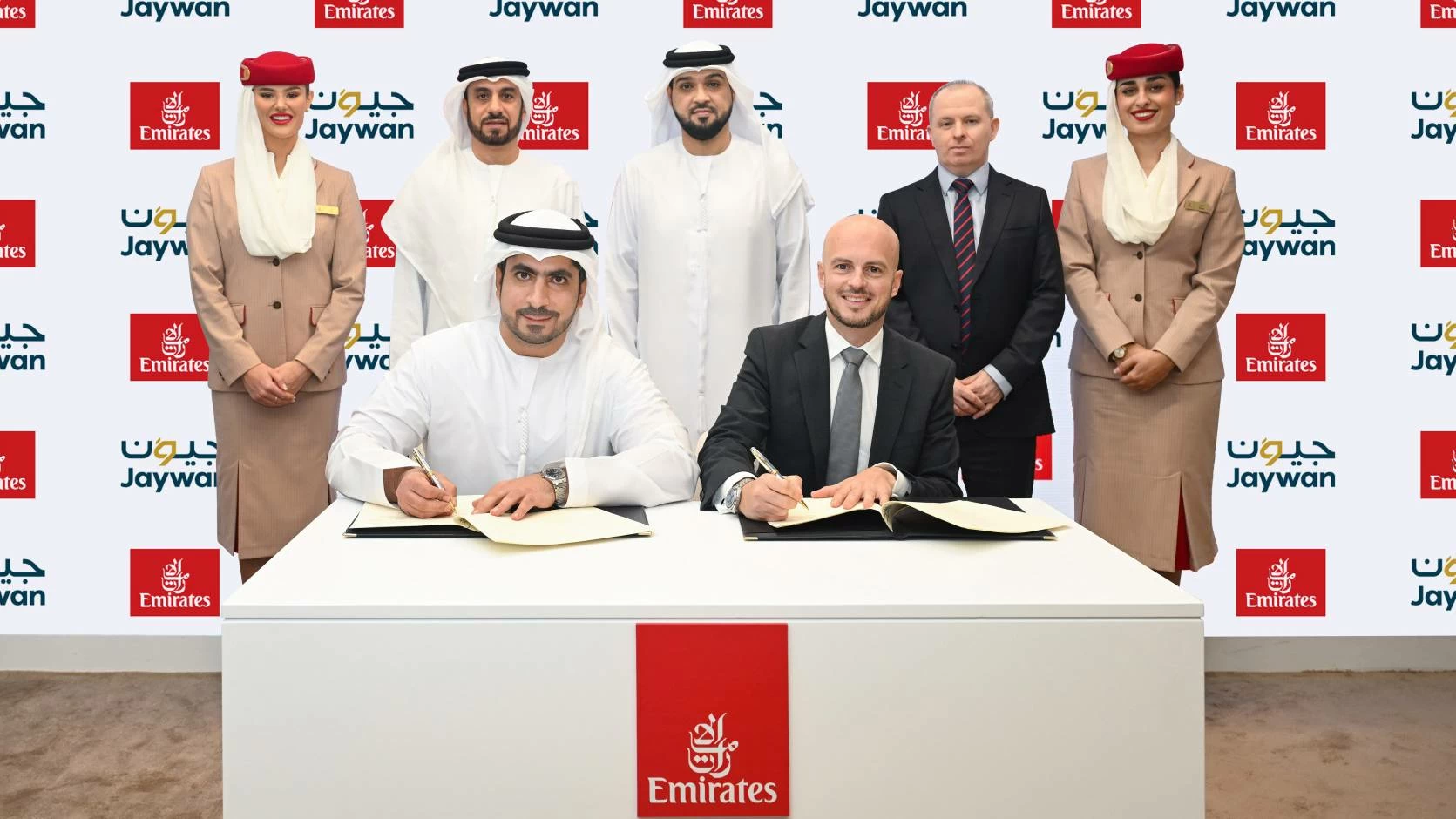
Emirates adds Jaywan card payments for flight bookings, unlocking UAE national card discounts from Dubai

Emirates and Al Etihad Payments have signed an agreement to bring Jaywan, the UAE's national card scheme to Emirates, expanding payment options for customers booking travel from Dubai. The agreement was formally signed by Abdulla Al Olama, Vice President Commercial Operations UAE for Emirates and Andrea Cianchetti, Chief Product Officer (CPO) at Al Etihad Payments, witnessed by senior leadership from both organisations. Starting on 16 September 2026, customers can book flights with their Jaywan cards in two ways: Online: At checkout, UAE-based customers can enter their Jaywan card details to complete their booking on emirates.com. In retail stores: Jaywan is accepted at Emirates Retail stores, with physical cards verified by staff before payment and issuance of tickets. Emirates will accept all Jaywan cards, including the Jaywan Royal Debit Card, Jaywan Prestige Debit Card and Jaywan Prepaid Card, with the security and seamless experience customers expect at checkout when booking their travel. Jaywan customers can also enjoy discounts across all cabin classes and most fare types, on both one-way and return fares from Dubai*. The offer is available for bookings made from 16 September 2026 until 31 August 2027, for travel until 29 February 2028. Adnan Kazim, Emirates’ Deputy President and Chief Commercial Officer said: "Emirates already offers UAE customers a broad range of ways to pay for their travel, and Jaywan is now added as a homegrown option that adds further choice and simplicity when booking. It also means more people across the UAE that use Jaywan cards can book with Emirates as easily as they would make any other payment. We've been working with partners across the UAE's digital payments ecosystem to accelerate cashless adoption within travel, and accepting Jaywan is one step further in delivering on our commitment. Our partnership with Al Etihad Payments and Jaywan also plays a part in strengthening the financial infrastructure the UAE is building for the years ahead.” Dr. Tariq Al Hawi, Chief Operating Officer at Al Etihad Payments, said: “Our partnership with Emirates Airlines reinforces Jaywan’s ambition to deliver more than a payment solution by creating tangible value and a seamless experience for every cardholder. The acceptance of Jaywan cards across emirates.com and Emirates’ retail stores gives Jaywan Cardholders greater choice, flexibility and convenience, enabling them to pay seamlessly whether booking online or purchasing in person. Combined with access to exclusive fares across all cabin classes, this partnership demonstrates how Jaywan can connect everyday payments with meaningful benefits and experiences for cardholders.” The agreement builds on Emirates' wider work to expand digital payments in the UAE. In October 2025, the airline signed a Memorandum of Understanding with Dubai Finance to promote the Dubai Cashless Strategy among international visitors, and in July it launched Crypto.com Pay, giving eligible UAE residents another way to pay on emirates.com and the Emirates app. Jaywan is the UAE's domestic card scheme, introduced by Al Etihad Payments for a resilient and robust national payments ecosystem. Created to handle local transactions safely and efficiently, it localises the country's card infrastructure and reinforces national financial sovereignty. Jaywan cards are issued by major banks across the UAE and are accepted by a growing network of merchants spanning ride-hailing and car rentals, restaurants, attractions, healthcare and pharmacies, retail, among other businesses.

MBMobile BusinessEmirates24715 Sept