


Are US Treasuries now a better investment than rental property?
Negative housing spreads occur when the interest rate "spread" between low-risk US Treasuries outperforms the renting out of real estate.
 Protos•Aaron Wise11h ago
Negative housing spreads occur when the interest rate "spread" between low-risk US Treasuries outperforms the renting out of real estate.
Protos•Aaron Wise11h agoRising Treasury yields strain borrowing costs, elevate government debt servicing, and challenge equity valuations, impacting economic stability.
 CryptoBriefing•Editorial Team24 Sept
TL;DR Ondo Finance says its USDY tokenized yield product is expanding across Solana DeFi venues. USDY is a yield-bearing tokenized note backed by short-term US Treasuries and bank deposits, not a conventional $1 stablecoin. The expansion builds on Ondo’s wider effort to make tokenized real-world assets usable inside DeFi rather than leaving them as passive holdings. Ondo Finance is pushing its tokenized US dollar yield product further into the Solana ecosystem, adding more places where USDY can be used rather than simply held. The move matters because tokenized real-world assets are increasingly being judged on utility, not just issuance volume. USDY Is A Yield Product, Not A Standard Stablecoin USDY is designed to represent exposure to short-term US Treasury and bank-deposit assets while accruing yield over time. That makes it structurally different from a conventional stablecoin such as USDC or USDT, which aims to stay close to a fixed $1 redemption value. As USDY integrates with Solana lending, liquidity and trading venues, holders can potentially use the asset as productive collateral or liquidity while still retaining exposure to the underlying yield profile. For Ondo, that is an important step. A tokenized Treasury product becomes much more useful when it can move through the same DeFi workflows as crypto-native collateral. Solana Is Becoming A Bigger RWA Distribution Layer Solana’s appeal for tokenized assets is straightforward: fast settlement, low transaction costs and an active DeFi ecosystem. Those characteristics make it easier for institutional-style assets to circulate rather than sitting in isolated wallets. The challenge is preserving the compliance and redemption structure of a regulated asset while making it composable enough to be useful onchain. Ondo has been steadily working on that bridge. The company’s recent product expansion has included tokenized equities and new institutional minting routes. Bringing USDY into more Solana applications extends the same strategy to yield-bearing dollar assets. The key distinction is that USDY should not be described as a bank-issued stablecoin. It is a tokenized note with a yield component. That difference affects how users should think about price behavior, eligibility and redemption — even as the asset becomes increasingly integrated with DeFi. For Solana applications, the attraction is that USDY brings a different type of collateral into the ecosystem. A lending market that accepts a yield-bearing Treasury-linked token can potentially offer users a lower-volatility building block alongside SOL and crypto-native stablecoins. That can broaden what DeFi protocols are able to construct, especially for users who want onchain liquidity without taking the full price risk of a volatile token. The harder part will be keeping liquidity deep enough that those integrations remain useful during redemptions and periods of market stress. This article was written by the News Desk and edited by Samuel Rae.
 NewsBTC•NewsBTC Editorial Team24 Sept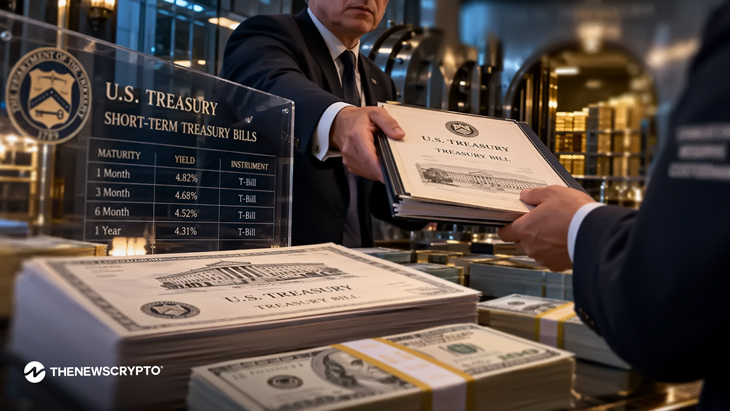
The US government is weighing a coordinated push to promote dollar-denominated stablecoins overseas, not as a crypto initiative, but as a strategic move to reinforce the dollar’s status as the world’s reserve currency and drive demand for US Treasuries. The effort could involve the Treasury Department, the State Department, and
 TheNewsCrypto•Sarayu Krishna24 Sept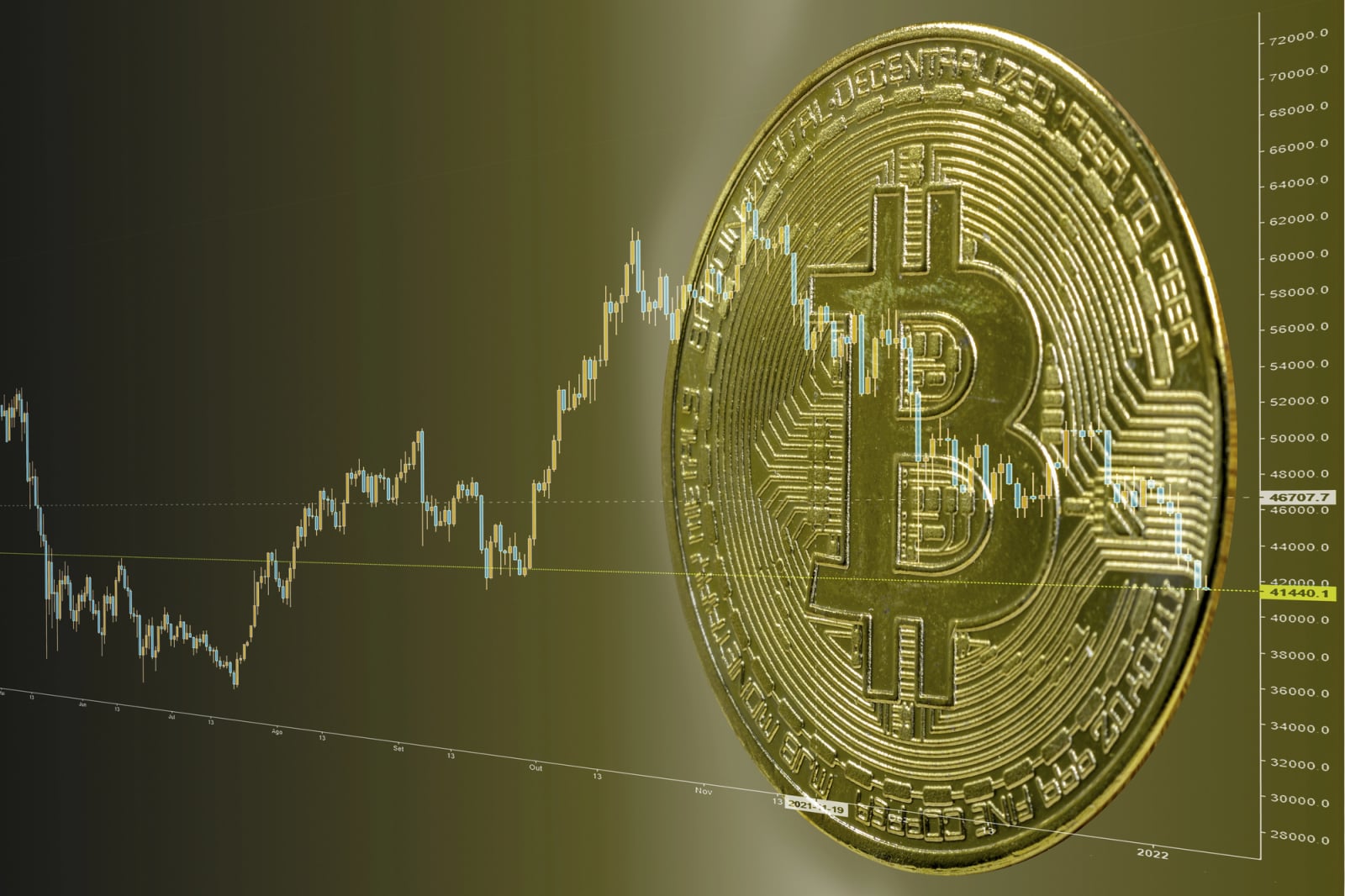
Bloomberg strategist Mike McGlone reveals why 5% US Treasuries are now worth selling Bitcoin and gold for.
 U.Today•Gamza Khanzadaev18 Sept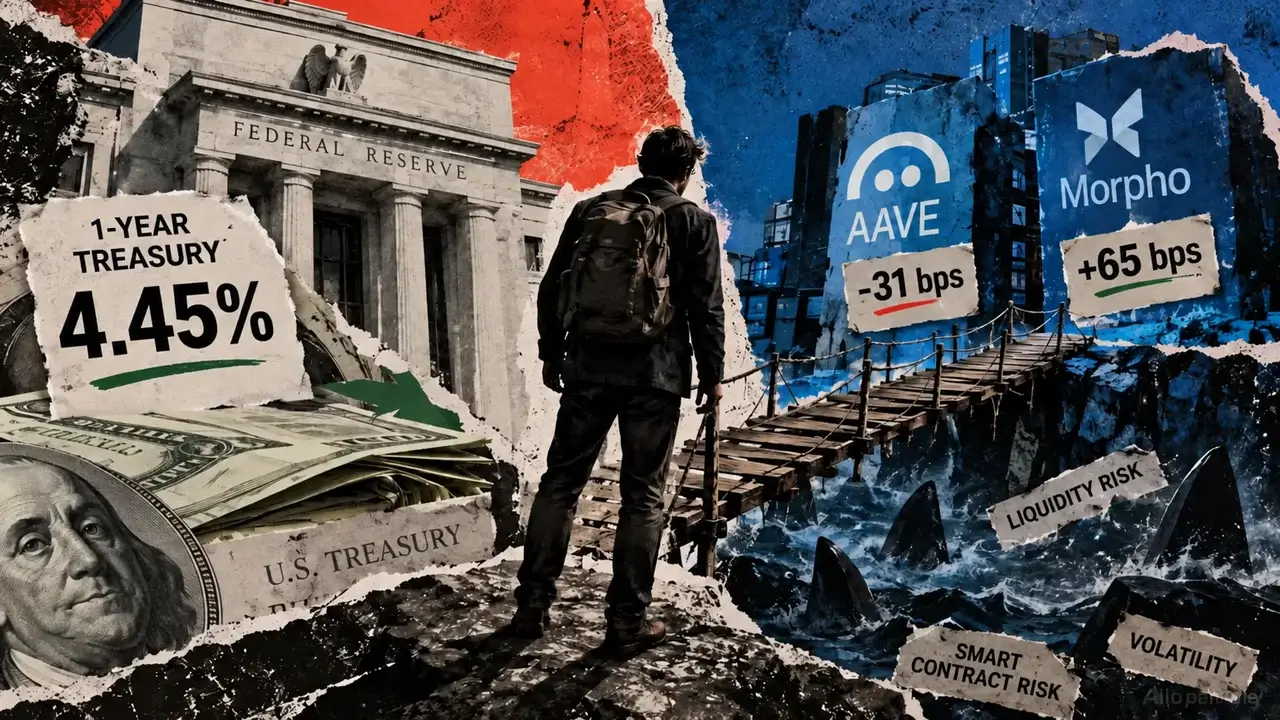
The Federal Reserve raised its target range by 25 basis points to 3.75%-4.00% on Sept. 16, pushing the one-year Treasury yield to 4.45% the same day and pressuring crypto lending yields. That move lifts the return available to anyone willing to hold nothing riskier than government debt, setting a fresh benchmark for crypto lending yields […]
 CryptoSlate•Gino Matos18 Sept
Yesterday, as you know, the Fed raised rates by 25 basis points as expected, but more importantly, Chair Warsh sounded very hawkish during the press conference. He said that inflation has been well above the 2% target for too long and that the Fed needs to bring it back towards that target. Some policymakers even voted for a 50-basis-point hike. So with the Fed delivering only 25 basis points this time, more hikes are still possible in the months ahead. That's why we saw such a strong move higher in US yields and the US dollar. Looking at US Treasuries, we are now seeing some stabilization after bonds and stocks recovered during the Asian session following Trump's comments that US interest rates should be lower. However, looking at the 10-year Treasury wave count, this still looks like only a wave four recovery, with important resistance around 106.57. So more weakness in bonds could follow, which would mean another move higher in yields and could keep the dollar supported. GH

Japan 10-year yield surpasses 3% as investors continue to sell government debt after landmark rise in American borrowing costs

Amundi's strategy reflects a cautious market sentiment, highlighting concerns over economic slowdown and potential rate cuts amid geopolitical tensions.
CryptoBriefing•Editorial Team14 Sept
Increased foreign demand for US Treasuries may stabilize markets and challenge equities as investors seek secure, competitive returns.
CryptoBriefing•Editorial Team9 Sept
Foreign demand for US Treasuries helps lower borrowing costs, influencing mortgage rates and consumer credit amid fiscal uncertainties.
CryptoBriefing•Editorial Team8 Sept
Japan's selloff of foreign securities to defend the yen could destabilize global bond markets, highlighting vulnerabilities in currency reliance.
CryptoBriefing•Editorial Team7 Sept
Tether's growing role in US Treasuries could stabilize demand but risks market disruption if rapid redemptions occur, impacting financial systems.
CryptoBriefing•Editorial Team6 Sept
The unexpected job growth may prompt the Fed to reconsider rate hikes, impacting bond prices and investor strategies in the near term.
CryptoBriefing•Editorial Team4 Sept
Rising yields and reduced demand for US Treasuries could escalate borrowing costs, impacting government budgets and broader economic stability.
CryptoBriefing•Editorial Team4 Sept
Chinese banks' strategy could stabilize onshore dollar liquidity, influencing global capital flows and easing geopolitical financial tensions.
CryptoBriefing•Editorial Team4 Sept
Schroders Plc, managing roughly $1 trillion, bought long-term US Treasuries as the firm believes yields have nearly peaked following a major bond
CryptoBriefing•Editorial Team3 Sept
Government bond yields across major economies surged to multi-decade highs this week in a synchronized sell-off that market observers have compared to the 2008 financial crisis. Japan’s 10-year yield crossed 3% for the first time since 1996, while US Treasuries and European debt hit their own historic thresholds simultaneously. A Global Repricing Unfolds Across Every
 BeInCrypto•Luis Blanco2 Sept
BlackRock's BUIDL fund has retaken the lead in tokenized US Treasuries with a $2.8 billion market cap, edging out Circle's USYC.
BeInCrypto•Darryn Pollock31 Aug
The DTCC's blockchain move could revolutionize financial markets by reducing counterparty risk, but scaling challenges may pose liquidity risks.
CryptoBriefing•Editorial Team30 Aug