
Vitalik Buterin Endorses Trueo as Prediction Market Moves to Ethereum
Trueo says the shift is about Ethereum's integrations and philosophy, not dissatisfaction with Base or its place among competing networks.
- neutral toward Vitalik Buterin · 98%
Trueo says the shift is about Ethereum's integrations and philosophy, not dissatisfaction with Base or its place among competing networks.
AI's ability to de-anonymize blockchain users necessitates advanced privacy measures, reshaping the future of secure digital interactions.
 CryptoBriefing•Editorial Team11h ago
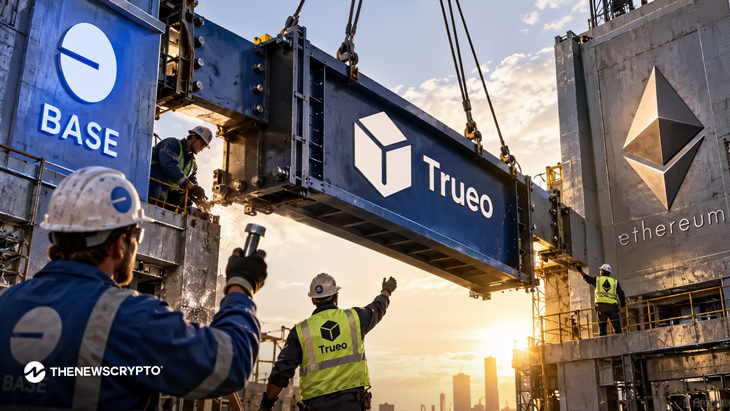
Prediction market Trueo is migrating from Base to Ethereum mainnet, earning praise from Vitalik Buterin.

Trueo said it will make Ethereum mainnet its primary deployment and build its next oracle there. Vitalik Buterin called the project “ethical and not corposlop.” The TRUE token is up 900% in 24 hours. Trueo's contracts are still deployed only on Base, and no migration date has been set.
 The Defiant•The Defiant Team22 Sept
Vitalik Buterin touted Trueo as a strong prediction market contender that is decentralized, ethical, and 'not corposlop.'
 The Block•Danny Park22 Sept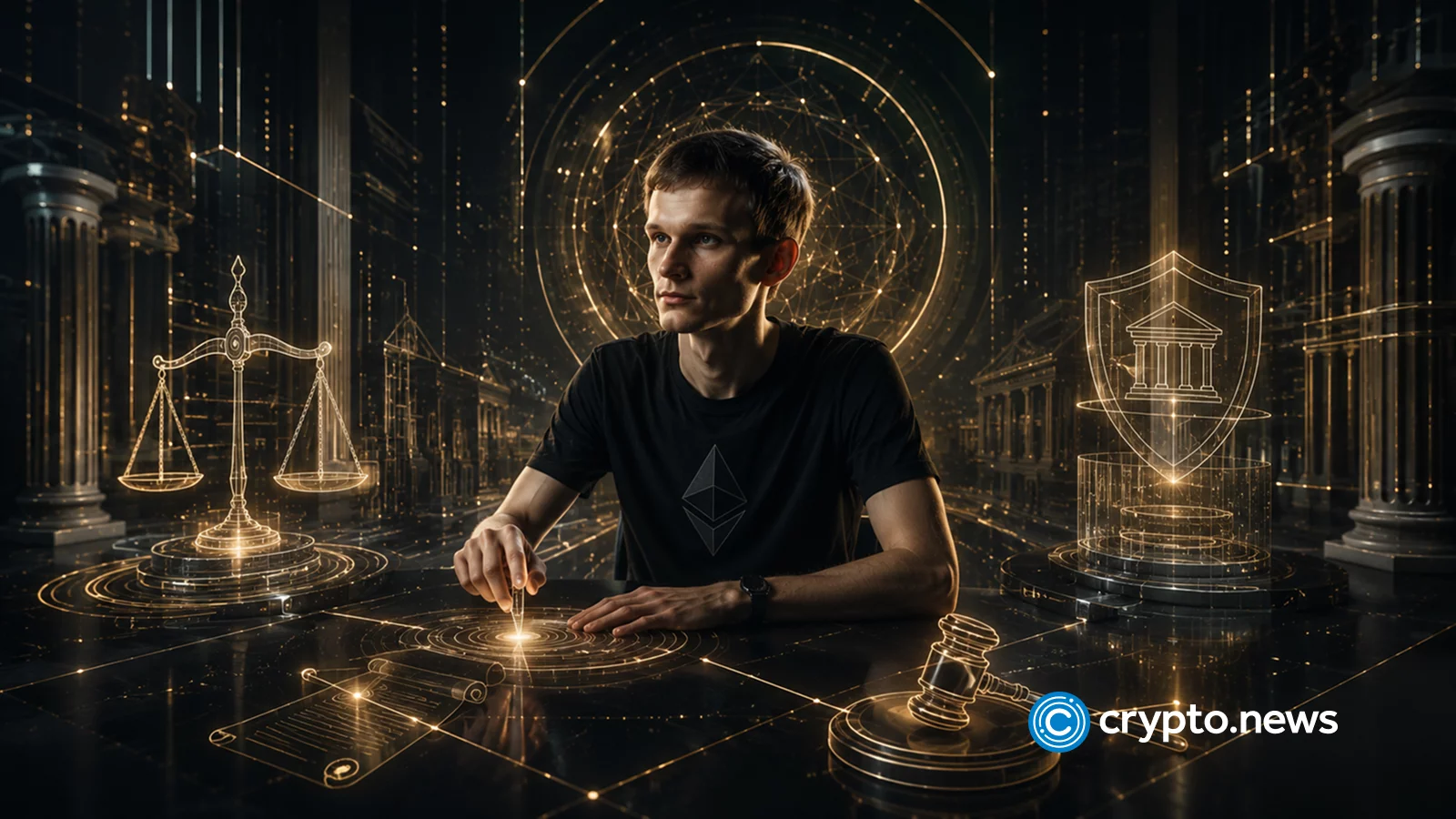
Trueo plans to move its prediction market from Base to Ethereum, while Base markets remain live and TRUE migration stays open-ended for users.
Buterin's engagement highlights the critical need for decentralized oracle systems and private voting to ensure fair prediction market outcomes.
CryptoBriefing•Editorial Team22 Sept
Vitalik Buterin says he is "doubling down" on privacy as Ethereum developers work on private reads, private transactions, and stronger censorship resistance across the network.
 U.Today•Alex Dovbnya20 Sept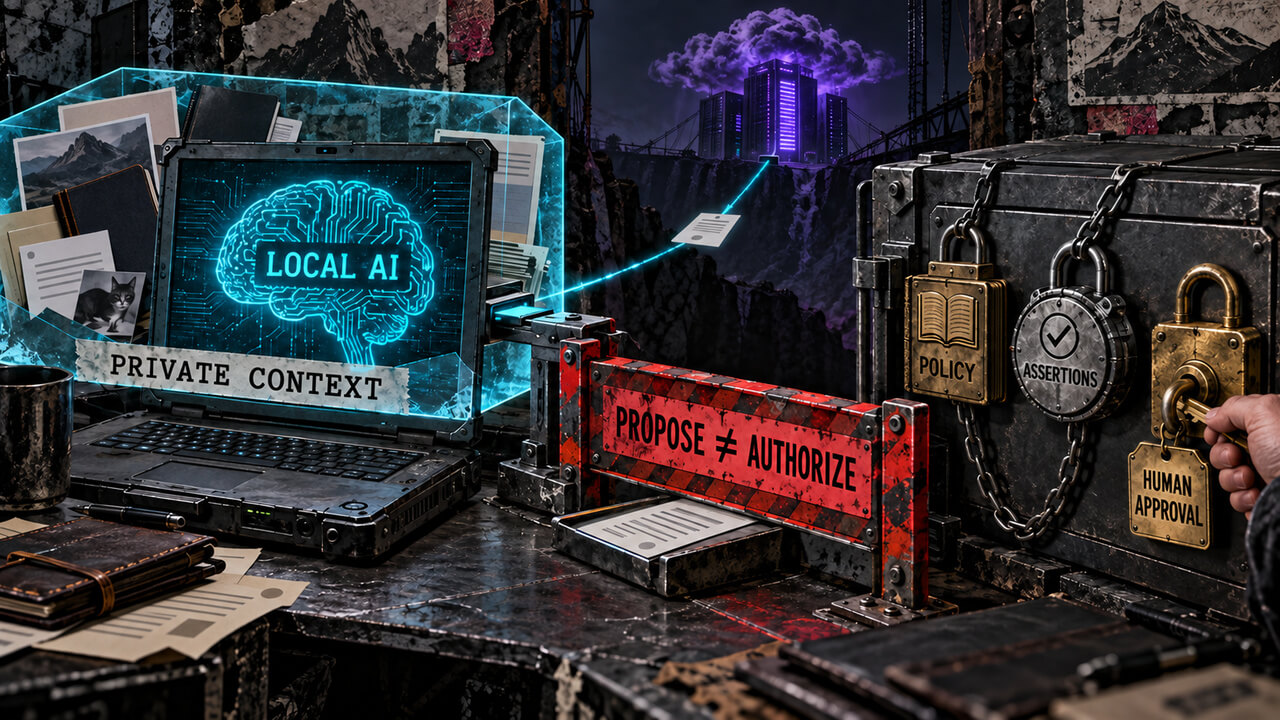
Faster private inference makes laptop orchestration practical, while spending authority remains behind hard limits, transaction checks and human approval.
 CryptoSlate•Liam 'Akiba' Wright19 Sept
The Ethereum co-founder said AI could help developers mathematically verify entire software systems, turning the same technology powering new attacks into a tool for defense.
Buterin said that modern AI could allow developers to verify entire programs instead of checking only the parts they consider security-critical.

Vitalik says AI’s math breakthroughs could make formal verification practical, helping developers build software that is harder to hack.
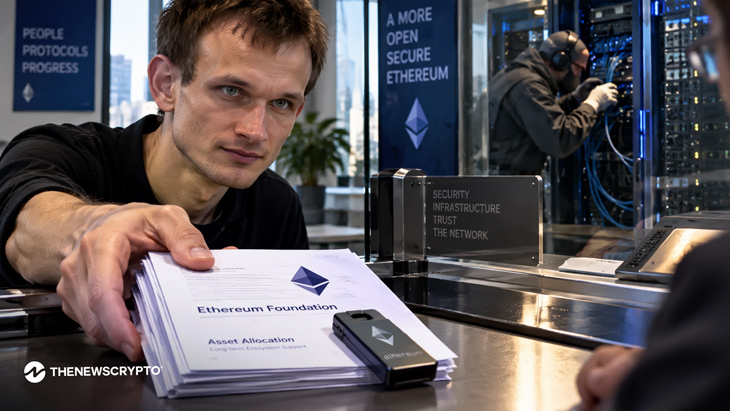
Vitalik Buterin dismissed all allegations concerning the ability of AI hackers to render cybersecurity indefensible due to advancements in artificial intelligence technology. Buterin said that AI could help improve the cybersecurity system by means of formal verification. This involves using mathematical proofs to assess the security properties of software. However,
 TheNewsCrypto•Lakshya Baskar17 Sept
Ethereum co-founder Vitalik Buterin is pushing back against fears that increasingly capable AI will make cybersecurity unwinnable.
U.Today•Alex Dovbnya17 Sept
Vitalik Buterin ran Alibaba's Qwen3.8-Flash-Next on his laptop and says local AI now handles a large share of tasks.
 BeInCrypto•Phil Haunhorst17 Sept
Vitalik Buterin rejected claims AI hackers will make cybersecurity unwinnable, arguing formal verification could strengthen software defenses.
AI, paired with formal verification, could revolutionize software security, reshaping trust models and enhancing blockchain resilience.
CryptoBriefing•Editorial Team17 Sept
Buterin's past work on harmful coordination on a blockchain may offer a blueprint for managing increasingly autonomous AI agents.
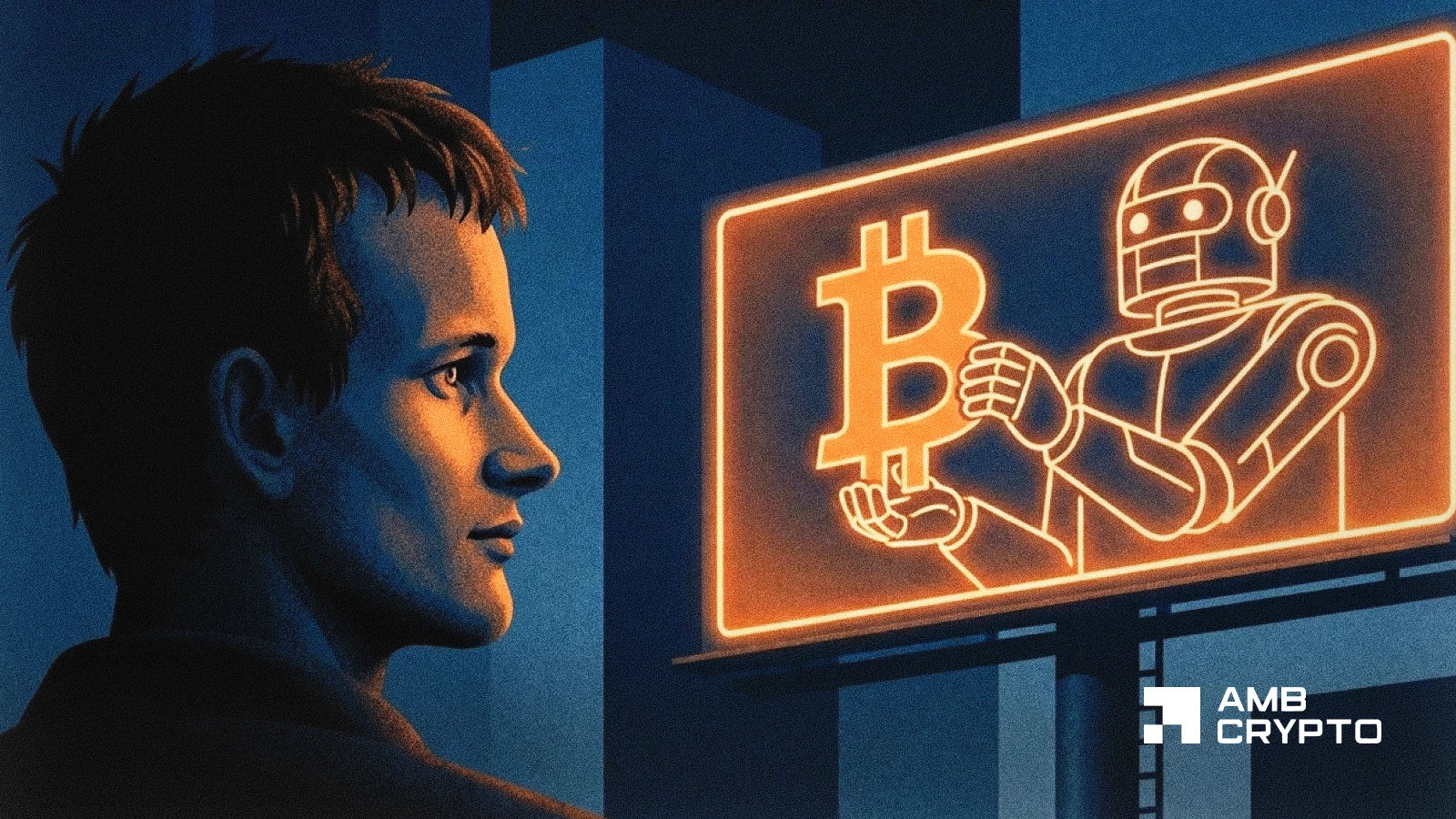
Crypto could see a new bearish catalyst as AI governance tensions rise ahead of Q4.
 AMBCrypto•Ritika Gupta14 Sept
Buterin's insights suggest that governance strategies could inform AI safety measures, potentially reshaping how we manage advanced AI systems.
CryptoBriefing•Editorial Team14 Sept