

OpenAI gives cyber defence tools to Ukraine
Ukraine will get access to OpenAI's advanced GPT 5.6 Sol model under the deal - a rival to Anthropic's Mythos and Fable
 BBC1h ago
Ukraine will get access to OpenAI's advanced GPT 5.6 Sol model under the deal - a rival to Anthropic's Mythos and Fable
BBC1h ago
Solana weekly DEX trades surpass the NYSE for the first time in history, making on-chain activity a key metric for SOL.
 AMBCrypto•Ritika Gupta1h ago
Veteran trader Peter Brandt spotted the formation of a cup-and-handle pattern on SOL's price chart.

OpenAI today launched GPT–6 Sol and GPT–6 Luna, two new models that follow GPT–6 Astra. OpenAI says the new models were developed using methods similar to Astra's for improvements in professional work, factuality, coding, computer use, and alignment. GPT–6 Sol is for everyday work, and it costs less than Astra. GPT–6 Luna is an even cheaper model. Luna is optimized for fast responses and higher volume, while Sol has more reasoning capability. The new models outperform their predecessors on OpenAI's benchmark tests, and GPT–6 Sol makes "about half as many mistakes" as GPT–5.6 Sol. GPT–6 Sol shows improvements in coding and computer use compared to GPT–5.6 Sol, and it matches or beats Claude Fable 5.1 scores on some benchmarks. OpenAI compared GPT–6 Sol to Opus 5 on several tests, but Anthropic released a new Opus 5.5 model today that outperforms Astra on some coding and knowledge work benchmarks. GPT–6 Sol and Luna are adopting the improved communication style OpenAI introduced with Astra for simplified conversations with less jargon and fewer low-value details. Answers should be slightly shorter without losing substance, and the new models have lower rates of misleading claims about their coding work in OpenAI's alignment testing. OpenAI is lowering token prices for Sol and Luna compared to their 5.6 counterparts, and prompt caching has been improved. OpenAI says agents will reuse more context, respond faster, and get 90 percent discounts on cached input-token reads. GPT–6 Sol is priced at $2 per million input tokens and $10 per million output tokens, down by half. GPT–6 Luna costs $0.10 per million input tokens and $0.50 per million output tokens, down from $0.20 and $1.20, respectively. GPT–6 Sol costs half as much per token as Opus 5.5, but Anthropic says Opus 5.5 uses fewer tokens per task than Opus 5, so it's not a straight comparison. GPT–6 Sol and GPT–6 Luna are rolling out in ChatGPT Work and Codex starting today for Plus, Pro, Business, Enterprise, and Edu users. GPT–6 Luna is available to Free and Go users in the desktop app. GPT–6 Sol and Luna are not yet available in Chat mode. Tag: OpenAI This article, " OpenAI's New GPT-6 Sol and Luna Models Bring Astra Improvements to Cheaper Tiers " first appeared on MacRumors.com Discuss this article in our forums

GPT-6 Sol and Luna launched on Tuesday, allegedly with less propensity for mistakes.
OpenAI's enhanced caching in GPT-6 Sol and Luna significantly lowers operational costs and boosts efficiency, impacting AI deployment strategies.
 CryptoBriefing•Editorial Team17h ago
Perplexity's integration of GPT-6 Sol as the default light option streamlines AI tool selection, enhancing efficiency and cost-effectiveness.
CryptoBriefing•Editorial Team18h ago
OpenAI introduced GPT-6 Sol and GPT-6 Luna. Anthropic unveiled Claude Opus 5.5.

The reduced API costs of GPT-6 models could democratize AI access, enabling broader adoption and innovation across various industries.
CryptoBriefing•Editorial Team19h ago
OpenAI is launching two new models, which it says are cut from the same cloth as Astra.
 TechCrunch•Lucas Ropek19h ago
Derive commands 95% of onchain options premium volume and tops Delphi Digital's cross-venue dashboard with leading ETH and SOL contract
CryptoBriefing•Editorial Team23h ago
Multicoin Capital co-founder Samani expects SOL to surpass Ether’s market capitalization “this market cycle” and argues that “today, no one really uses Ethereum.”
 Cointelegraph•Cointelegraph by Zoltan Vardai21 Sept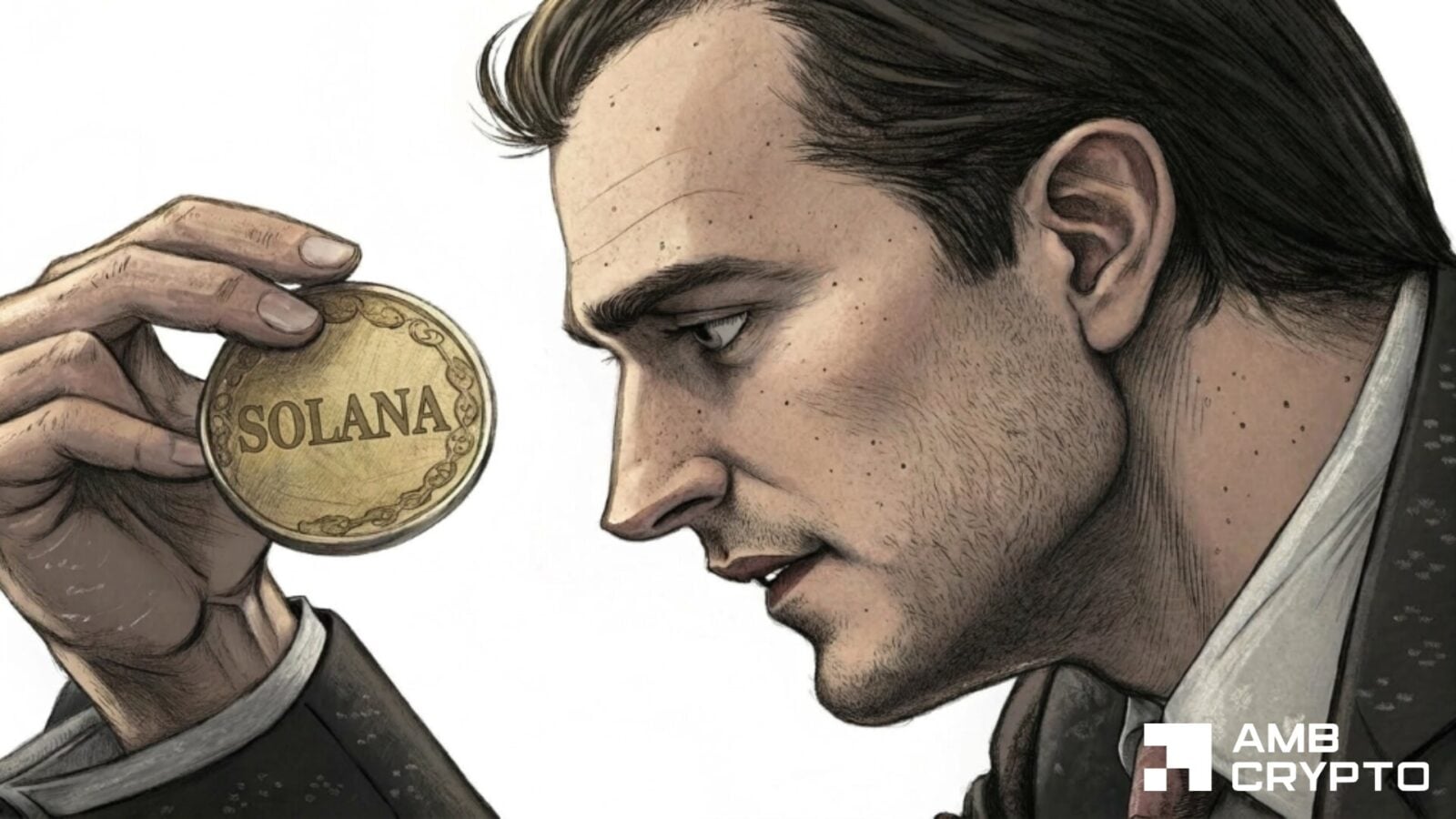
SOL’s relative strength points to a potential October breakout setup.
AMBCrypto•Ritika Gupta20 Sept
According to Martinez, SOL has spent the last few years to build a massive cup-and-handle pattern that could result in a major price increase.
The integration enhances cross-chain liquidity and trading efficiency, potentially boosting Solana's ecosystem and Injective's market reach.
CryptoBriefing•Editorial Team17 Sept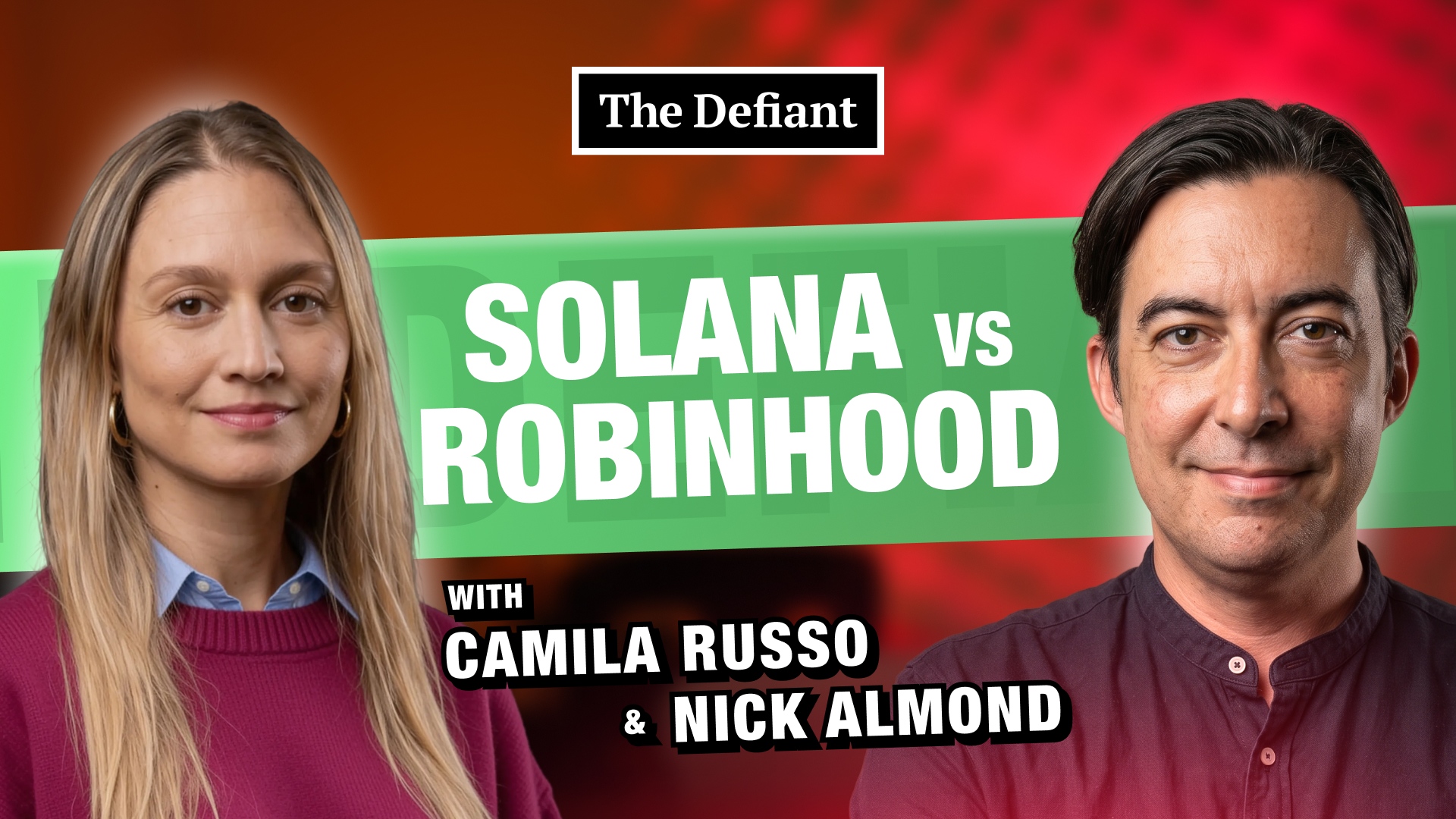
Solana just took the most historic step in its governance history: its first real on-chain vote, where any SOL holder — not just validators — could weigh in on the network's constitution, inflation and fees. Camila Russo sits down with Nick Almond, Head of Governance at the Jito Foundation, right
 The Defiant•Camila Russo17 Sept
SOL's price action could go in either direction in the near term.
AMBCrypto•Ishika Guha17 Sept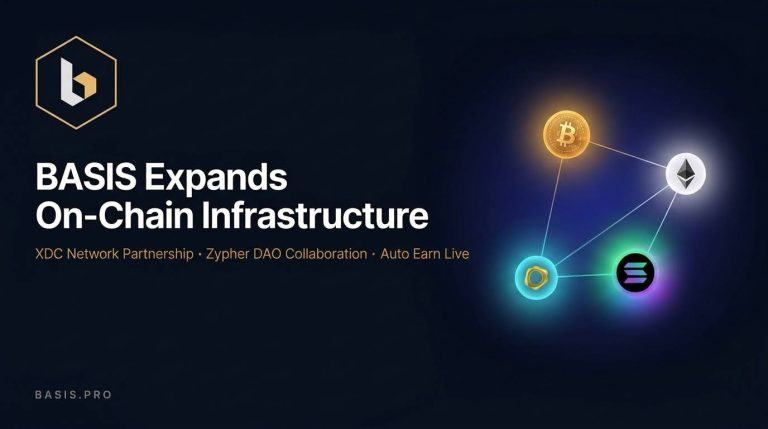
London, United Kingdom, September 17th, 2026, Chainwire. New developments extend BASIS across real-world asset and AI-native infrastructure while introducing automated reward restaking for BTC, ETH, SOL, and PAXG participants BASIS, the institutional-grade crypto yield and staking platform built on market-neutral execution infrastructure, is continuing to expand its institutional footprint with three new developments: an ecosystem […]
 Bitcoin.com News•Media17 Sept
SOL has staged a recovery from the 96.80–98.90 support zone and is now pushing higher toward the descending trendline. Price is reclaiming the short-term moving-average area, while the trendline around 103.50–104.00 remains the key resistance to overcome. 🟦 Support Zone: 96.80–98.90 🟢 1st Resistance Objective: 104.00–104.20 🟢 2nd Resistance Objective: 108.00–108.20 📈 Bias: Recovery structure, with breakout confirmation required. A sustained move above the descending trendline and 104.00 resistance could strengthen the recovery toward 108.00–108.20. If price fails at the trendline, the 98.90–96.80 area remains the key support region to watch.

MOEX will launch perpetual futures tied to BTC, ETH, SOL, XRP and TRX indexes on Sept. 22 for qualified investors, settled in rubles.