MB

Mobile Businesspage 2

Coverage, page 2

page 2 of 3

Emiraes wraps up ATM 2026 with more than 30 partnerships

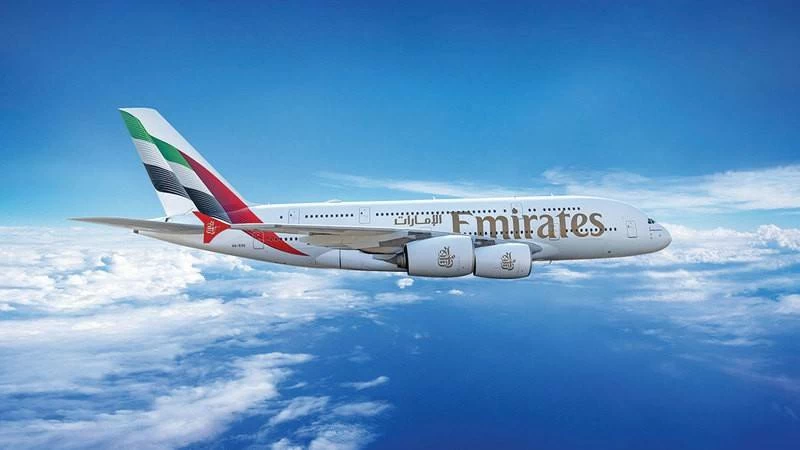
Emirates closed Arabian Travel Market 2026 having signed more than 30 agreements at the industry event, spanning tourism boards across 16 countries, and organisations at the centre of new customer segments and communities. Premium Economy is a standout draw The highlight of the airline's stand was its first electrically powered Premium Economy seat, shown publicly for the first time at ATM 2026. Thousands of visitors were able to sit in the seats and explore the latest functions and comfort in Premium Economy. It drew steady traffic throughout the show, with visitors also experiencing the A380 Shower Spa and Onboard Lounge, the Boeing 777 Game Changer First Class Suite, and A350 Business and Economy Class seats, which included the U-Dream headrest. Growing visitor flows through partnerships Emirates signed or renewed agreements with tourism authorities across Africa, Europe, Asia and the UAE, working to convert awareness in source markets into visitor arrivals and supporting travel ecosystems. In Africa, the airline signed new agreements with Kenya Tourism Board and Mozambique's ANDITUR. In Europe, Emirates signed with Visit Finland ahead of the 1 October Helsinki launch, Fjord Norway, Bologna Welcome and Parma Welcome, while Emirates Holidays partnered with the Spain Tourism Office. In West and Southeast Asia, agreements were reached with Tourism Malaysia, the Japan National Tourism Organization, the Sri Lanka Tourism Promotion Bureau and the Maldives Marketing and Public Relations Corporation, Seychelles Tourism Board and Ministry of Tourism and Culture, and the Mauritius Tourism Promotion Authority, and renewed its partnership with the Madagascar's Ministry of Tourism and Handicrafts. Closer to home, the airline renewed with Sharjah Commerce & Tourism Development Authority and signed with Ras Al Khaimah Tourism Development Authority. Tapping into new customer segments Several new agreements are creating inroads for the airline to tap into new travel segments beyond traditional leisure and corporate business. In education, the airline partnered with the Knowledge and Human Development Authority to support Dubai's ambition as a global study destination, and with ICEF, becoming a preferred global airline partner for education travel. In medical and wellness travel, an agreement with the Medical Tourism Association positions Emirates as the preferred airline for longevity and wellness travel alongside traditional medical travel. In sports, a partnership with Cutting Edge will build travel packages for fans attending major fixtures across cricket, football, motorsport, golf, tennis and more. The airline also moved deeper into marine crew travel through agreements with Cisalpina Tours International and MSC Cruises, covering seafarer rotations, dedicated crew fares and enhanced baggage allowances. Further agreements with the Overseas Workers Welfare Administration, the Finnish and Vietnamese Business Councils, Huawei, Dubai Duty Free, Alibaba Fliggy, DERTOUR Group, Emirates Islamic and Al Etihad Payments to bring Jaywan to Emirates bookings, extended the airline's reach across distinct communities and channels. Emirates and Kuwait Airways also signed to expand their interline partnership into a reciprocal codeshare. Recognitions and accolades During ATM, Emirates was recognised for product and service excellence, winning several global and local accolades. At the 2026 World Travel Awards Middle East, Emirates received four honours: Middle East’s Leading Airline – First Class 2026; Middle East’s Leading Airline Brand 2026; Middle East’s Leading Airline Lounge – First Class 2026; and Middle East’s Leading Airline Rewards Programme 2026. The airline was also named Best Long-Haul Airline at the inaugural Independent Travel Awards 2026 and received the Al Rehla Golden Travel Award in the UAE. These recognitions underscore Emirates’ continued focus on product innovation, customer experience and connectivity, as the airline continues to work to further elevate its onboard and onground experiences. Emirates has experienced a strong recovery in demand following earlier disruption and is now operating at approximately 93% of its pre-disruption capacity. Against this backdrop, discussions at the event also reflected the broader outlook for Dubai’s tourism and aviation ecosystem.
MBMobile BusinessEmirates24710h ago

KHDA launches four compliance handbooks for private educational institutions

DUBAI: Dubai's Knowledge and Human Development Authority (KHDA) has launched four compliance handbooks for private educational institutions across the emirate under the Flexible Regulation Framework as part of the Education 33 (E33) strategy. The compliance handbooks contribute to a dynamic regulatory ecosystem that responds to the evolving needs of the education sector and its stakeholders, strengthens confidence among parents and the wider community, encourages innovation and growth, and promotes effective implementation of education policies. The launch is part of KHDA's efforts to strengthen a culture of accountability, quality, and compliance across Dubai's education community. It also provides a clear, unified regulatory reference that enhances the quality and efficiency of educational institutions while protecting the rights of learners and parents. The compliance handbooks align with the goals of E33, which aims to ensure every learner has access to high-quality educational opportunities in a safe, supportive environment. The four compliance handbooks cover early childhood centres, private schools, higher education institutions, and training institutes, supporting the learner journey in Dubai, from the early years through school and higher education to skills development, training, and lifelong learning. The handbooks set out the regulatory and operational requirements that private educational institutions must fulfil, depending on the nature of their activities. They also help operators better understand applicable legislation and policies, support ongoing compliance, improve service quality and efficiency, protect learners' rights, and enhance institutional sustainability. In addition, the handbooks support educational leaders and administrative and operational teams by providing easy access to relevant requirements, clarifying responsibilities, and integrating compliance into daily operations. The handbooks cover a comprehensive range of obligations, including permits, staffing, educational and training programmes, protection of learners' rights, inclusive education, quality of life, health and safety, facility readiness, emergency preparedness, continuity of learning, national identity and Emirati values, as well as other relevant operational requirements. During the past year, KHDA's compliance teams conducted 1026 field visits to private educational institutions across Dubai, averaging 86 visits per month. Fatma Belrehif, CEO of Education Quality Assurance and Compliance Agency at KHDA, said, "The learner journey in Dubai begins with a child's first steps in an early childhood centre, continues through school and higher education, and extends to training, skills development, and lifelong learning. Every stage of this journey should be built on clarity, quality, and accountability within an integrated framework that protects learners, safeguards their rights, and provides a safe and supportive environment. The four compliance handbooks support the goals of E33, which places learners at the heart of the education ecosystem, by clearly defining the obligations educational institutions are expected to fulfil." She added, "The handbooks provide clear requirements that enable institutions to continuously assess their readiness, identify gaps, and address them proactively. This strengthens accountability, supports faster decision-making, and enhances the efficiency and sustainability of education services." Belrehif noted that the four compliance handbooks aim to foster a culture in which compliance is viewed as a shared responsibility and a daily institutional practice. This approach protects learners, supports educational institutions, strengthens confidence among parents and the wider community, and raises compliance levels across the sector. She added that the handbooks also help institutions deliver sustainable, high-quality education services, reinforcing Dubai's position as a global education destination that combines quality, flexibility, innovation, and trust. The handbooks strengthen alignment with procedures and requirements implemented by relevant government entities, clarify expectations, and help educational institutions direct their resources and efforts more effectively to improve service quality and enhance the learner experience. They also translate regulatory requirements into practical actions by outlining field-visit mechanisms, clarifying the responsibilities of educational institutions and KHDA compliance officers, and providing self-assessment checklists to support effective preparation and readiness. This approach reinforces accountability, transparency, continuous improvement, and institutional responsibility. Each handbook includes provisions that enable private educational institutions in Dubai to conduct ongoing self-assessments of their readiness and compliance. This supports more efficient operations, faster decision-making, and less time and effort to identify and interpret requirements. It also provides a consistent framework for institutions to strengthen internal policies, procedures, and accountability structures. The compliance handbooks place the rights of learners and parents among the core elements of compliance, supporting clearer and more transparent relationships between families and educational institutions while defining the responsibilities institutions hold towards learners. The launch comes amid continued growth and diversification in Dubai's private education sector, with an expanding range of educational options, institutions, programmes, and services available to learners and families.

MBMobile BusinessWAM10h ago

Dubai Police, flydubai partner to Bbring Esaad benefits to visitors from the moment they arrive

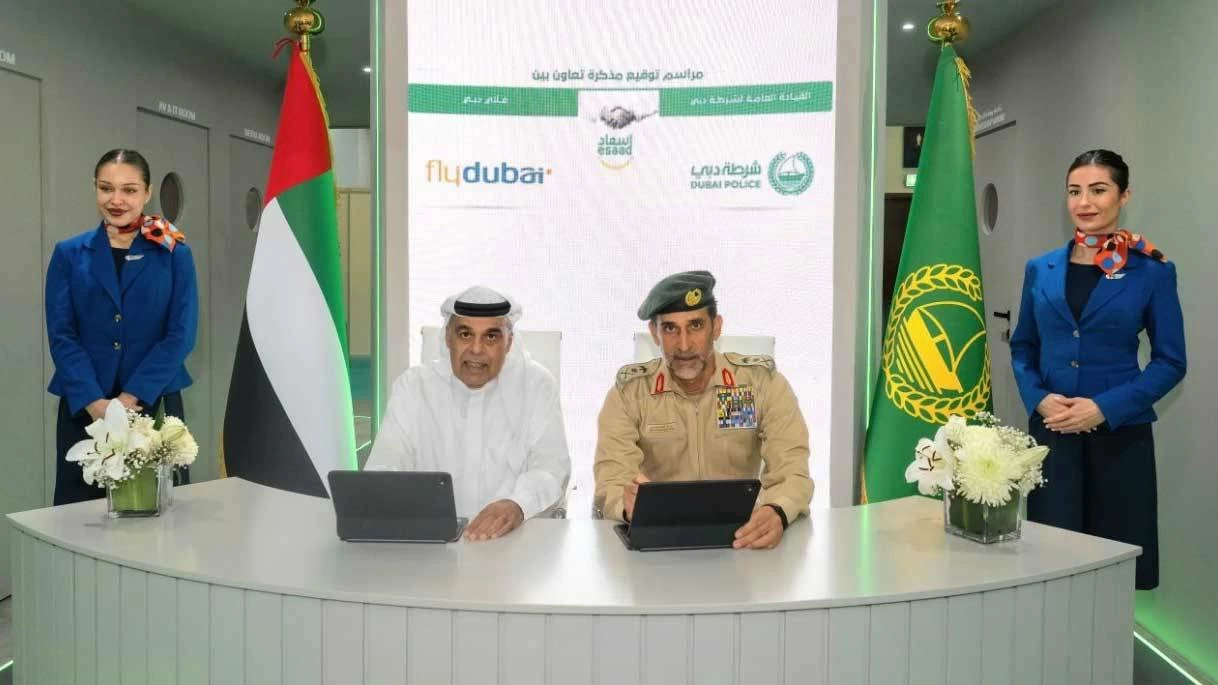
Dubai Police and flydubai have signed a Memorandum of Understanding that will give passengers arriving on the airline special access to Esaad Card benefits. The partnership will bring a wide range of discounts and offers to visitors from the start of their stay in the United Arab Emirates. Under the agreement, passengers arriving on flydubai can purchase the Esaad Card at a special price. This will give them access to benefits across a broad range of lifestyle, leisure and tourism services. The agreement was signed by Lieutenant General Abdullah Khalifa Al Marri, Commander-in-Chief of Dubai Police, and Hamad Obaidalla, Chief Commercial Officer at flydubai, on the sidelines of Arabian Travel Market 2026 at Dubai World Trade Centre. Benefits across 10 sectors The partnership will enable eligible arriving passengers to access Esaad discounts, offers and benefits across 10 sectors. This will help them enjoy greater value throughout their visit. These sectors include restaurants and theme parks, shopping centres, tourism and travel, health and sports, family services, automotive services, accommodation, education, government services and online shopping. The initiative is designed to enhance the tourism experience by giving visitors access to benefits across services they may use during their stay. Enhancing the visitor experience Lieutenant General Al Marri welcomed the partnership, saying it reflects Dubai Police’s commitment to building innovative partnerships across sectors. These partnerships support Dubai’s tourism ecosystem and enrich visitors’ experiences from the moment they arrive. “At Dubai Police, we consider people’s happiness and quality of life an integral part of government work in Dubai,” he said. “We are committed to expanding the impact of our initiatives and partnerships in ways that serve the community and visitors to the emirate. At the same time, we aim to strengthen Dubai’s image as one of the world’s safest cities and a destination known for its quality of life and excellence in services.” The partnership brings together Dubai Police’s Esaad programme and flydubai’s growing network of more than 125 destinations. It extends practical lifestyle benefits to visitors and supports a more rewarding and enjoyable experience throughout their time in Dubai. Meanwhile, Hamad Obaidalla, Chief Commercial Officer at flydubai, said: “We are pleased to collaborate with Dubai Police on this initiative. It reflects the importance of strategic partnerships in enhancing the experience of visitors to Dubai and delivering greater value to our customers. “As we continue to see growing demand for travel to Dubai, visitor numbers are expected to increase further over the coming months and into the winter season. This partnership will enable flydubai passengers to benefit from a wide range of offers and privileges while enjoying Dubai’s exceptional tourism, leisure and entertainment experiences throughout the year. “We remain committed to working closely with our partners to support Dubai’s position as one of the world’s leading tourism destinations and to provide visitors with a more rewarding and seamless experience from the moment they arrive.” flydubai has built a network of more than 125 destinations in 56 countries across Africa, Central Asia, the Caucasus, Central and Southeast Europe, the GCC and the Middle East, South Asia and Southeast Asia. Almost 100 of these destinations were previously underserved markets with either no direct connections or very few direct connections to Dubai and the UAE. The airline operates a young and efficient fleet of more than 95 Boeing 737 aircraft.

MBMobile BusinessEmirates24711h ago

RTA, Dubai Airports discuss transport integration, passenger movement

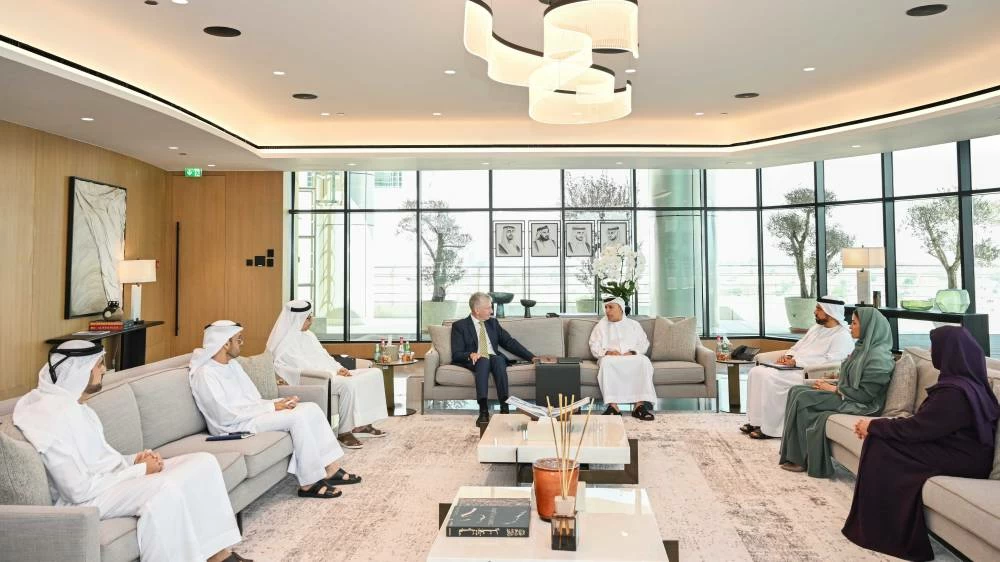
DUBAI: Mattar Al Tayer, Director General, Chairman of the Board of Executive Directors of Dubai’s Roads and Transport Authority (RTA), and Paul Griffiths, Chief Executive Officer of Dubai Airports, discussed ways to strengthen cooperation and coordination between RTA and Dubai Airports. They reviewed traffic projects and solutions aimed at improving traffic flow along road corridors leading to and from Dubai International (DXB), as well as future transport plans for Dubai World Central - Al Maktoum International (DWC). The discussions focused on strengthening integration between the road and transport network and the aviation sector, facilitating passenger movement, and providing seamless, integrated mobility for Dubai residents and visitors. Al Tayer affirmed that integration between the transport and aviation systems is a key pillar in supporting Dubai’s competitiveness and strengthening its position as a global hub for economic activity, tourism and aviation. He noted that RTA, in coordination with its strategic partners, is developing an integrated and flexible network of roads and public transport modes to keep pace with the rapid growth in population and visitor numbers and support the emirate’s ongoing urban and economic expansion. Al Tayer said, "Guided by the vision and directives of its leadership, Dubai continues to invest in developing world-class infrastructure aligned with its future aspirations and supporting sustained growth.” He stressed that DWC and Dubai South are of strategic importance in RTA’s future plans, given the rapid urban and economic growth in the area and its central role in Dubai’s comprehensive development. Paul Griffiths said, "Close collaboration with RTA is essential to shaping a seamless, integrated travel experience for our guests, from the moment they set out for the airport and throughout every stage of their journey. As Dubai enters a new phase of growth, the seamless integration of airports with road networks and all modes of public transport is a key element of our vision to reimagine the future of travel in the emirate.” He added, "We will continue working with RTA to develop a flexible, future-ready mobility ecosystem that raises standards for ease of access, efficiency and passenger service, while supporting the central role of DXB and DWC in strengthening Dubai’s position as a leading global gateway for travel and aviation.” During the meeting, the two sides reviewed RTA’s future plans and projects for roads and public transport systems, aimed at keeping pace with the anticipated growth at DWC and in Dubai South and improving access to both from across the emirate. They also discussed ways to align transport infrastructure development plans with the aviation sector’s future plans. The meeting also addressed continued coordination between teams on both sides and integrated planning for future projects, thereby strengthening links between airports, road networks and public transport modes, improving traffic flow, meeting the requirements arising from population and urban growth, enhancing quality of life, and serving passengers, employees and customers. Attendees included Majed Al Joker, Chief Operating Officer of Dubai Airports. RTA was represented by Abdul Muhsen Kalbat, CEO of the Rail Agency; Moaza Saeed Al Marri, CEO of the Executive Affairs Sector; Hussain Al Banna, CEO of Traffic and Roads Agency; and Muna Al Osaimi, CEO of Strategy and Corporate Governance Sector.

MBMobile BusinessWAM11h ago

Meta liable for fake ads on Instagram, Facebook: German court

A German court has ruled that Meta is liable for fake advertisements posted ‌by third parties on its Instagram and Facebook platforms, and ordered the U.S. tech giant to remove such content and pay damages, the court said on Thursday. The lawsuit was brought by ⁠the operator of a German financial portal and its founder, whose trademarked logo and image were used without consent in posts recommending investments ‌allegedly with fraudulent intent. The portal operator reported nearly 260 violations to Meta in August ‌2024 alone; however, Meta took up ‌to 62 days to remove some content, the ‌court said. It ‌ruled Meta could not rely on the Digital Services Act's lack-of-knowledge defence, because ‌unlike purely chronological feeds, it exercises control ⁠over the content through its algorithms and advertising practices. The court referred to a precedent set ⁠by a ⁠June ruling by the European Court of Justice. "We respectfully disagree with this decision and are considering next ⁠steps," a Meta spokesperson said in a statement, adding that the company had taken significant action, including proactive detection measures and removal of reported content. According to the ruling, dated ‌September 16, Meta must also disclose details of the fake advertisements and revenue generated from them. The ruling is not yet final and may be challenged by lodging an appeal, the court said.

MBMobile BusinessReuters13h ago

Aldar launches Talay, first residential community at Marsa Al Saadiyat

ABU DHABI: Aldar today announced the launch of Talay, an exclusive collection of 351 standalone villas marking the first residential community at Marsa Al Saadiyat. The homes will be available for sale from 23rd September, as part of the final phase of Saadiyat Island’s masterplan, unveiled in July. Talay marks the first residential launch at Marsa Al Saadiyat, the AED100 billion waterfront destination. The project’s contemporary architecture is complemented by bespoke louvre details created in collaboration with Emirati artist Abdalla Almulla. His contribution will also extend into the public realm through a commissioned fountain within Talay, reflecting Marsa Al Saadiyat’s integration of art and culture across the destination. Marsa Al Saadiyat’s masterplan spans approximately 6.4 million square metres and eight kilometres of coastline. It includes three schools and is located alongside an Etihad Rail underground high-speed rail station, integrated within a Transit-Oriented Development hub, further enhancing sustainable mobility and connectivity to the wider UAE.

MBMobile BusinessWAM13h ago

AI powers Arab Media Summit 2026 with instant certificates, photos and bilingual transcripts

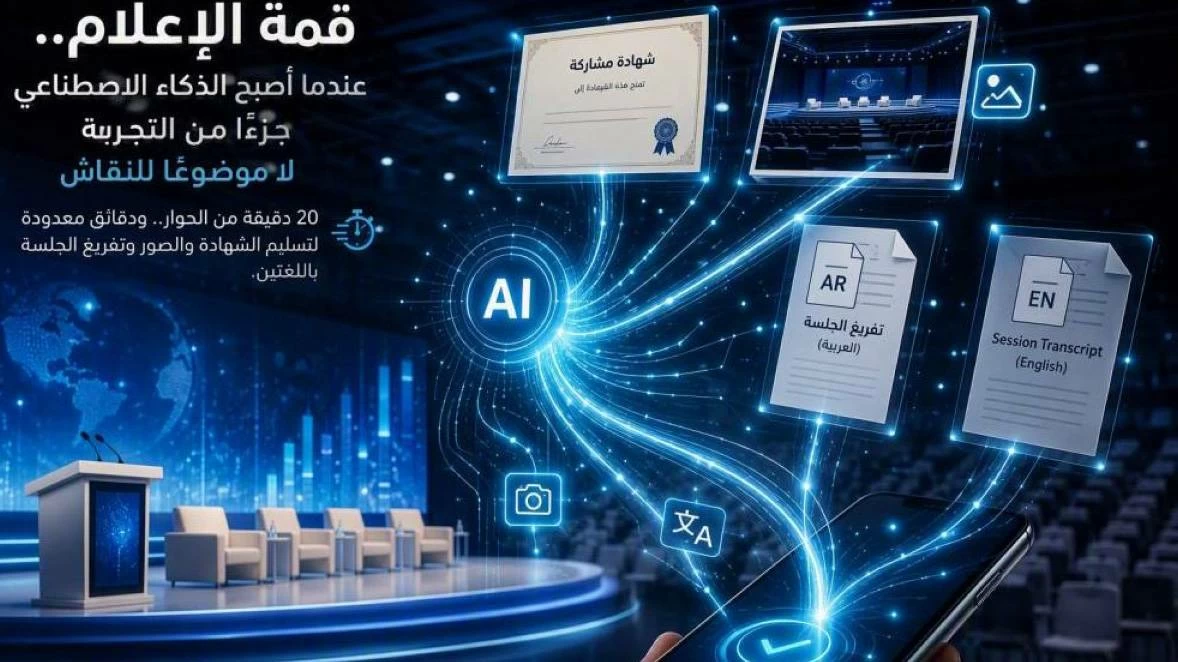
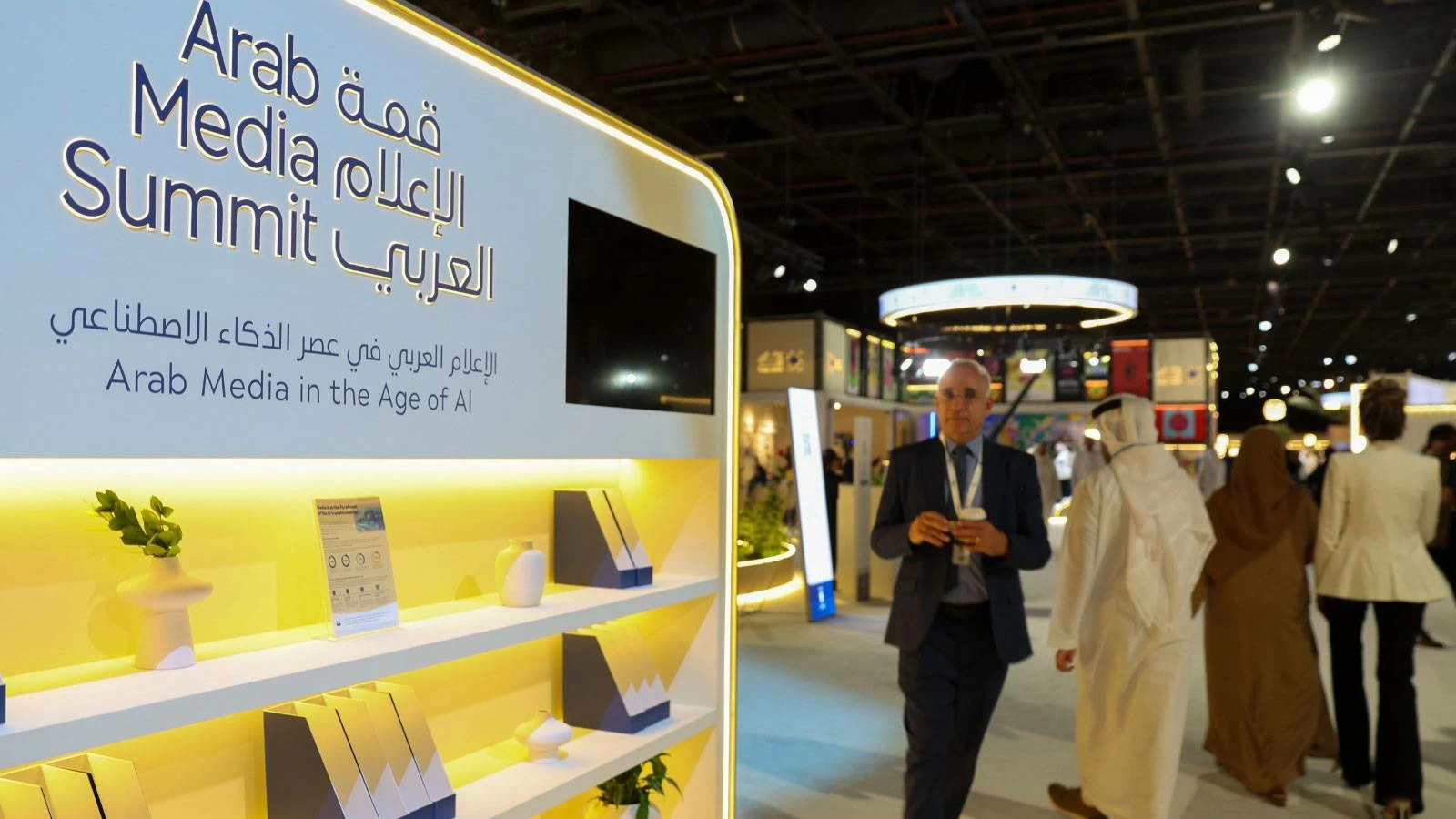
Artificial intelligence at the Arab Media Summit 2026 was not only a central topic of discussion across the event's platforms. It also became a practical experience that speakers and participants engaged with directly. While sessions explored the future of media and technology, intelligent systems were working behind the scenes to elevate the conference experience through greater speed and efficiency. Within minutes of completing a session, speakers received a personalised participation certificate, professional photographs taken during the session, and a full transcript in both Arabic and English. The experience drew widespread admiration from guests, not only for the speed of delivery but also for the high level of organisation and the ability to manage such a large number of speakers and sessions in record time. With more than 400 speakers and 175 sessions, this system emerged as a practical example of how artificial intelligence can be applied in the events and media sector. Documentation that once required days or even weeks could now be completed almost instantly, providing speakers with ready-to-use content as soon as they left the stage. Among the notable reactions, content creator Musab Al-Tuwaijri expressed his surprise and admiration at the speed with which session outputs were delivered. He praised the level of organisation and the systems implemented at the summit. In a video posted on his social media accounts, he commended the rapid delivery of services accompanying the sessions. He said the experience reflected a high level of planning, organisation and innovation. He added that each session exceeded expectations and introduced new ideas that left a lasting impression on attendees. Al-Tuwaijri said: "Managing such a large number of speakers and guests, while maintaining speed and accuracy in delivering certificates, photographs and documented content, demonstrates an integrated operating system and carefully designed processes." What distinguished this experience was that it did not merely present a vision of the future of media. It provided a practical model of that future. While speakers discussed what lies ahead for the industry, the future was already taking shape throughout the summit. Within minutes, spoken words were transformed into documented content, sessions were converted into ready-made outputs, and technology created tangible value for participants. As a result, artificial intelligence at the Media Summit was not simply a guest on stage or a topic of discussion. It became an active partner in delivering the event, demonstrating that true innovation is measured not by what is said about it, but by what it achieves in practice.

MBMobile BusinessAisha Al Kaabi13h ago

Abdullah Al Hamed: Trust between the community and its leadership formed a line of defence against rumours

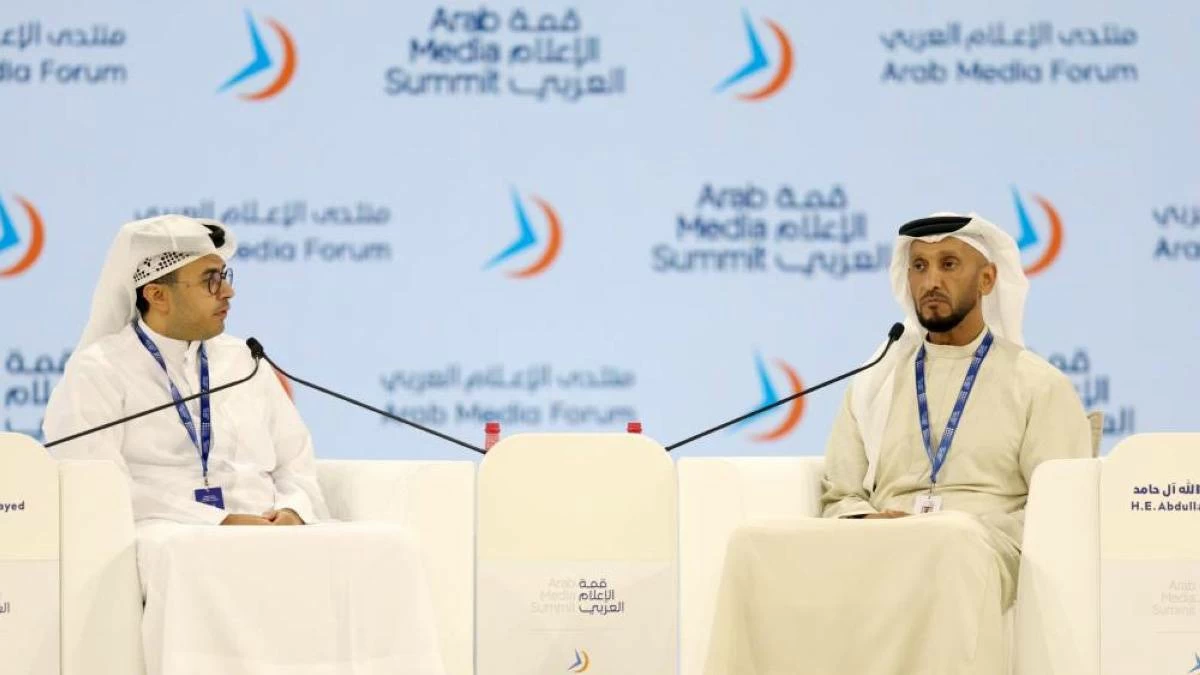
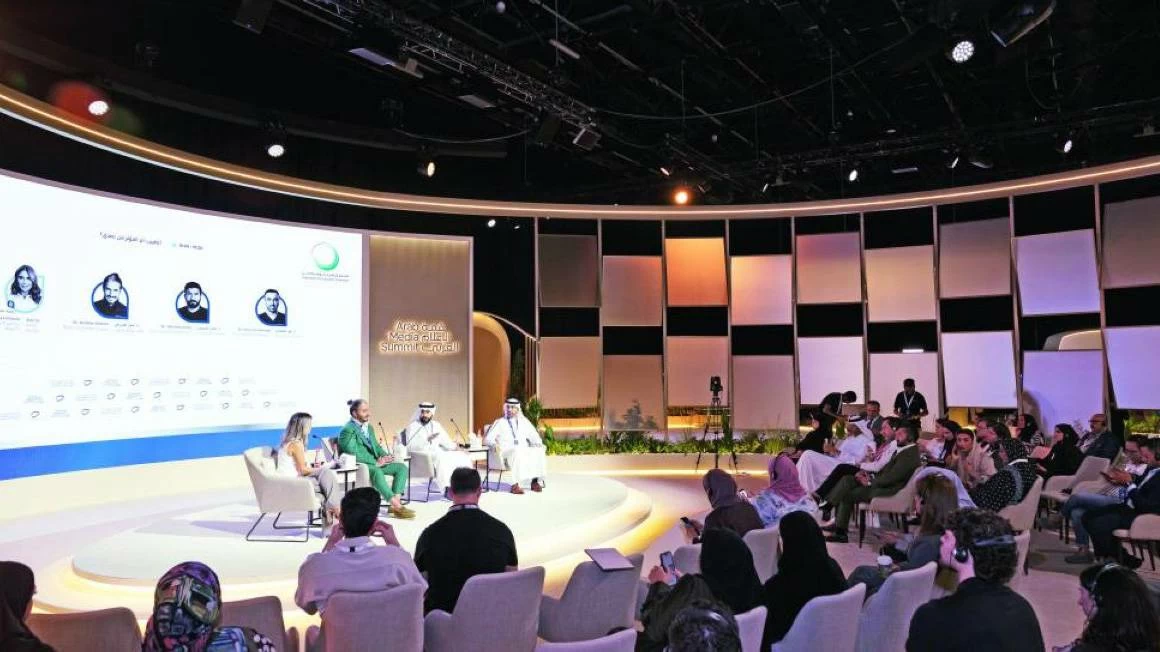
During the session "Arab Media in a Changing World", held on the third day of the Arab Media Summit 2026, His Excellency Abdullah Al Hamed, Chairman of the National Media Office, said artificial intelligence could become a threat to countries if they are not adequately prepared to deal with it. He stressed that preparation for these transformations should not be limited to governments, companies and institutions. It should also extend to society, individuals and even children. He said the world is undergoing rapid changes that require continuous adaptation. What is needed, he added, is to approach these changes with care, confidence and expertise to maximise their benefits and prepare for their consequences. His Excellency said recent events have demonstrated the risks posed by misleading news and fabricated content circulating on social media platforms. At the same time, he noted that the trust built between the community and its leadership since the establishment of the Union, and even before it, has served as a fundamental line of defence against misinformation and rumours. He explained that the community itself played a direct role in countering disinformation. Citizens and residents took the initiative to publish videos from locations that some social media posts falsely claimed had been targeted or affected by incidents. These efforts helped reveal the reality on the ground and disprove fabricated content circulating online. He said this response reflected the community's level of awareness and its readiness to deal with the risks posed by artificial intelligence and misleading content. He added that the media has also fulfilled its responsibility by challenging fabricated news and clarifying facts for the public. His Excellency added that dealing with content published on social media platforms requires individual awareness and caution. People should not accept everything they see at face value, especially as some content may be inaccurate or fabricated. He stressed the importance of using these platforms positively rather than contributing to the spread of false information. He explained that responsibility for verifying information begins with the individual and the way information is handled. The state's role, he said, is to prepare society and provide the tools and resources needed to deal with different situations. It must also educate people about the mechanisms that help distinguish between accurate and inaccurate information. Al Hamed stressed the importance of not accepting any information before verifying it through reliable sources. He told the audience that the principle of verification should apply to everything, even information heard from trusted individuals. Any information, he said, should be verified before being believed or shared. Al Hamed noted that developments in this field are accelerating rapidly. He said artificial intelligence technologies have become capable of producing fabricated content that is increasingly difficult to distinguish from reality. This makes public awareness and the media's role in verification and combating disinformation more important than ever. H.E. Abdullah Al Hamed said that verifying information during times of crisis begins with referring to official channels and the state's trusted sources. People should avoid relying on accounts or individuals outside the country who circulate unverified information about events taking place within it. He said the UAE has long embraced transparency as a guiding principle. Recent events, he noted, have demonstrated the country's commitment to making information available through official channels to clarify facts and explain developments. This includes responding to public inquiries to ensure that people have access to information directly from the source. Responding to a question from the moderator about whether he had ever seen a photo or video that he initially believed was real before discovering it had been generated by artificial intelligence, Al Hamed said this had happened to him. However, he stressed that he never takes action or forms an opinion based on content before verifying its authenticity and source. He explained that he uses technical tools, including artificial intelligence applications, to trace the source of images and information being circulated. He then refers back to the original source to determine whether it is an official entity or a credible media outlet. He stressed that verification does not end with identifying the source, but also includes assessing its credibility. In response to another question about whether individuals can still afford to ignore artificial intelligence in their professional and personal lives, Al Hamed said keeping pace with the technology is no longer optional. Individuals must continuously update their knowledge and develop the skills needed to understand its risks and benefit from its capabilities. He noted that concerns about new technologies have emerged throughout history. He cited the example of the calculator, which was once viewed as a threat to education before becoming a routine part of daily life. Artificial intelligence, he said, is currently going through a similar stage of acceptance and adaptation. He stressed that refusing to use artificial intelligence does not protect individuals from its risks. Instead, understanding its tools and following its developments improves one's ability to deal with it effectively. He said artificial intelligence is designed to help people perform better, and that the real challenge lies in how it is used. He added that AI has become part of daily life and that its development will continue. As a result, keeping pace with these advances and continually updating one's knowledge is essential to minimising risks and maximising opportunities. Abdullah Al Hamed revealed that he relies extensively on artificial intelligence technologies in his daily life. He said he works with more than 120 AI agents that assist him in real time with a variety of tasks, from managing email, schedules and reminders to tracking developments and handling aspects of his daily activities. Al Hamed said creating AI agents has become significantly easier and faster than in previous years. Building an agent once took days, whereas today it can be done in about five minutes. He said this reflects the rapid pace of development and growing accessibility of these tools. He revealed that he recently conducted an experiment using an AI agent he developed to instantly verify information presented by speakers during meetings and discussions. During one session, the tool recorded the speaker's remarks and analysed them in real time as they were being delivered. He added that in one case, the tool indicated that about 80 per cent of a speaker's statements were inaccurate. This prompted him to conduct additional checks, which he said confirmed the findings. In another instance, the tool showed that between 70 and 90 per cent of a speaker's statements were accurate, while about 10 per cent could not be verified. He said the experience gave him practical insight into the potential of AI tools for information verification. He added that when he later introduced the concept during a meeting in his office, participants became more careful about their statements after learning that information could be verified using such tools.

MBMobile BusinessRehab Halawa13h ago

Government communication experts: Speed and accuracy are the first line of defence against rumours

Officials and experts in government communication stressed that rapid digital transformation and changing audience behaviour are forcing governments to develop their communication tools and adopt more flexible and responsive strategies. At the same time, they highlighted the importance of maintaining the accuracy and reliability of information to strengthen public trust and curb the spread of rumours and misinformation. These remarks were made during the session, "The Audience Has Changed... Has Government Communication Changed?", held on the third day of the Arab Media Summit. The session was moderated by Heba Zaarour and featured Dr. Nasser Muheisen, Undersecretary of the Ministry of Information and Head of the Government Communication Center in Kuwait; Dr. Zaid Al-Nawaisa, Secretary-General of the Ministry of Government Communication in Jordan; and Dr. Nidal Shukair, Professor of Strategic Communication and Government Relations. Dr. Nasser Muheisen said rumours are among the most significant challenges governments face during crises. He stressed the need to address them carefully and intelligently by ensuring a strong government presence from the earliest stages of an event and continuously providing the public with available information. He emphasised the need for governments to adopt flexible and fast communication strategies that can adapt to changing audience behaviour. He explained that the rapid pace of the digital environment and competition from social media platforms require government communication institutions to move quickly in delivering accurate and reliable information. This helps prevent the spread of rumours and false news. He noted that government communication should take priority during crises. This can be achieved by providing clear preliminary information to the public and assuring them that they will receive updates first-hand. Such an approach helps reduce rumours and prevents confusion. He added that balancing speed and accuracy remains one of the biggest challenges in communication. Providing reliable information at the right time helps give the public a clearer picture of events and strengthens confidence and reassurance. He also noted that Kuwait is making continuous efforts to keep pace with these changes by regulating the digital content sector and strengthening frameworks related to the use of artificial intelligence. These efforts support the development of government communication and help it adapt to rapid technological change. For his part, Dr. Zaid Al-Nawaisa said balancing speed and accuracy is one of the key challenges facing government communication. He noted that digital transformation has compelled government institutions to reassess their roles and develop communication tools that meet the expectations of modern audiences. He explained that Jordan launched the "Farah" platform to deliver government information and explain policies and decisions to citizens in a simple and direct way through social media. The initiative aims to reach the widest possible audience and improve understanding of government messages. Dr. Nidal Shukair said artificial intelligence has brought about a major shift in how news and information are consumed. He noted that audiences are increasingly turning to platforms that provide content more quickly and conveniently. He added that governments continue to be a major and trusted source of information. He praised the UAE's experience in government communication and public engagement, noting that positive public interaction with government initiatives and campaigns has contributed to their success and effectiveness. He stressed the importance of governments continuing to develop communication methods and adopt best practices that strengthen public engagement and keep pace with rapid digital transformation. This, he said, is essential to ensuring government messages reach all segments of society effectively.

MBMobile BusinessAisha Al Kaabi13h ago

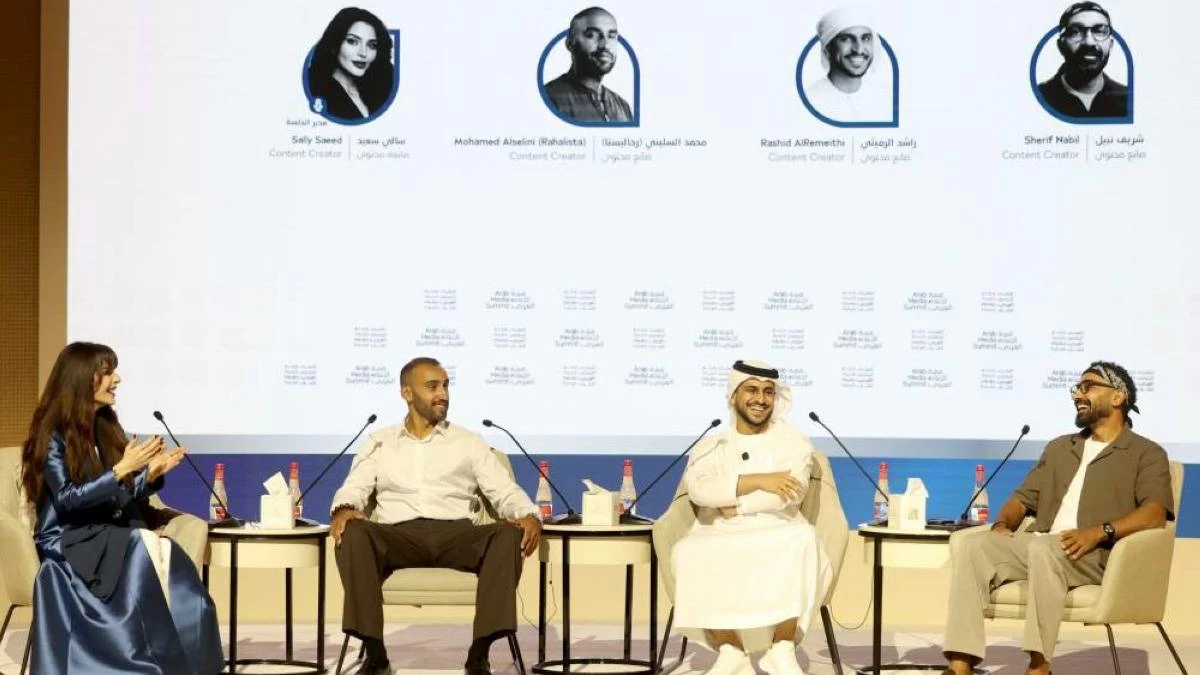
Arab Media Summit showcases world cultures through the lens of travellers

Content creators participating in the session "World Cultures Through the Travellers' Lens" at the Arab Media Summit said that travel goes far beyond discovering destinations and landmarks. It is a human experience that helps people better understand themselves, other cultures and different ways of life. They noted that travel content creation has evolved from a spontaneous activity into a profession that requires planning, management and strong storytelling skills. The session was moderated by Sally Saeed and featured content creators Rashid Al Rumaithi, Sharif Nabil and Mohammed Al Sulaibi. They shared their experiences in travel and content creation, discussing how they choose destinations, the challenges they face while travelling, and the importance of transforming personal experiences into stories that resonate with audiences. Rashid Al Rumaithi said that travel is a personal experience that differs from one individual to another. While some people seek comfort and nature, others are drawn to adventure and unfamiliar destinations. He explained that stepping outside one's usual environment provides an opportunity to discover new aspects of personality and capability. He noted that travel content creation began as a spontaneous activity for many creators before evolving into a more structured profession. It now requires careful planning, including selecting destinations, setting budgets, choosing equipment and developing a business strategy. He said his own journey started with self-funding before content revenues began helping to finance his trips. He also stressed the importance of diversifying income sources. Speaking about equipment, Al Rumaithi said that owning the latest devices does not necessarily guarantee better content. He noted that a smartphone can often be sufficient, while the ability to communicate ideas and tell stories clearly remains the most important factor. Sharif Nabil said that people may begin travelling to discover the world, but often end up discovering new aspects of themselves. He recalled a personal experience from his time as an engineer in the oil sector, when a nine-day journey led him to reassess his future and ultimately changed the course of his career. He explained that the content seen by audiences does not reflect the amount of work that takes place behind the scenes. Travel content requires extensive preparation, including planning routes, organising equipment, selecting filming locations and managing production. He cited a three-day filming experience in the mountains that resulted in about 40 minutes of material. He stressed that hardship is part of the travel experience and that the most challenging journeys often leave the deepest memories. Mohammed Al Sulaibi said that, for him, travel is not limited to visiting landmarks. Instead, it centres on meeting people, understanding their cultures and learning about their way of life. He believes this is what gives travel its true meaning. He explained that he prefers travelling alone when creating content for social media platforms, while working as part of a team when producing programmes or series for media organisations. He added that his primary goal is to explore the world, with content creation serving as a way to share those experiences with audiences.

MBMobile BusinessMariam Al Adan13h ago

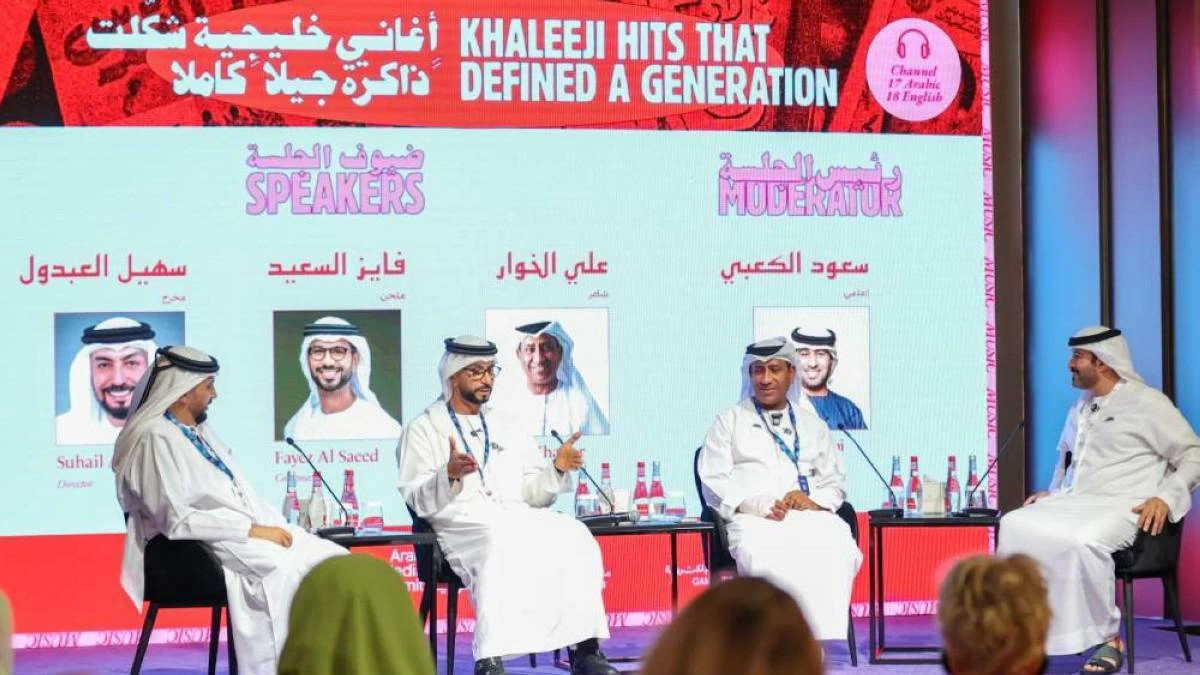
Gulf songs that defined a generation: When lyrics and melody become timeless

Today's songs may reach millions of listeners within hours and quickly climb streaming charts and social media trends. But the true test of a work of art begins long after its release. Years later, just a few notes can bring back a place, a person, or an entire chapter of life. Songs that define a generation's memory do not endure because they achieved high numbers when they were released. They live on because they became part of people's stories and memories. From this contrast between fleeting success and lasting impact emerged the session, "Gulf Songs That Shaped a Generation's Memory," held as part of the Film Forum at the Arab Media Summit 2026. The session featured artist and composer Fayez Al-Saeed, poet Ali Al-Khawar, director Suhail Al-Abdul, and was moderated by media personality Saud Al-Kaabi. The discussion revisited a rich artistic era and explored the enduring questions behind the creation of memorable songs. The session was not simply a nostalgic look back at songs of the past. Rather, it examined the elements that give a work lasting value. The discussion brought together the perspectives of lyricist Ali Al-Khawar, composer Fayez Al-Saeed and director Suhail Al-Abdul. Together, they highlighted that a successful song is not the product of a single element. Instead, it is an integrated artistic work that begins with the lyrics and extends all the way to the visual presentation. The discussion emphasised that the strength of a song's lyrics lies not in complex wording, but in their ability to connect with people and express emotions honestly. This is how Gulf songs have managed to preserve their local dialect and cultural character while resonating with a broader Arab audience. Human emotions have remained capable of transcending differences in dialect. Melody then gives the lyrics their own spirit. In some cases, only a few seconds of a musical introduction are enough to transport listeners back to a specific period in their lives. As a result, many melodies have become an identity of their own, with memories attached to them even before the lyrics begin. As for the visual element, participants noted that during the heyday of music videos, the image became a natural extension of the song. Some songs became inseparable from a particular scene, story or location in the minds of audiences. The session stressed that a director's role goes beyond providing a visual backdrop. Instead, the director translates the song's emotions into a story that remains in viewers' memories just as strongly as the music itself. The session revealed that a number of highly successful works were not universally embraced at the outset. Many faced hesitation and disagreement within their creative teams before one of their creators ultimately believed in their potential. The artist's performance also emerged as a decisive factor that can determine a song's fate. The same lyrics and melody can have a completely different impact depending on the performer. Success is not always about vocal ability alone. It also depends on the artist's capacity to convey emotion and make listeners believe every word. The spirit of teamwork was highlighted as one of the defining features of that era. Studios brought together poets, composers, singers and arrangers in a shared creative space that functioned as an open artistic workshop. Lyrics evolved through discussion, melodies developed through experimentation, and ideas were often born from spontaneous encounters rather than planned meetings. The discussion also revisited the contrast between that period and today's era of the home studio. Modern technology has given artists greater speed and flexibility, allowing them to exchange work across long distances. However, participants noted that it has also reduced the face-to-face interactions that once generated many of the details and creative ideas behind enduring works. Participants also reflected on the experience of "Gulf Stars" and the artistic movement surrounding it. They said the period witnessed strong collaboration between poets, composers and performers, helping to strengthen the presence of Emirati and Gulf music while introducing new talents and creative voices. In assessing the current landscape, participants stressed that the decline in the volume of Emirati music production compared with earlier periods does not indicate a lack of talent. Rather, it reflects changes in the environment that once brought creatives together and fostered ongoing competition and collaboration. This, they argued, underlines the importance of reviving the spirit of the artistic workshop while making use of modern tools and technologies. The session also explored the impact of artificial intelligence on the future of music, visual production and content creation. While participants agreed that new technologies can save time and expand creative possibilities, they said an important question remains: whether these tools can truly recreate the emotion and human connection that have allowed classic songs to endure for decades.

MBMobile BusinessReed Bin Shaheen Al Suwaidi13h ago

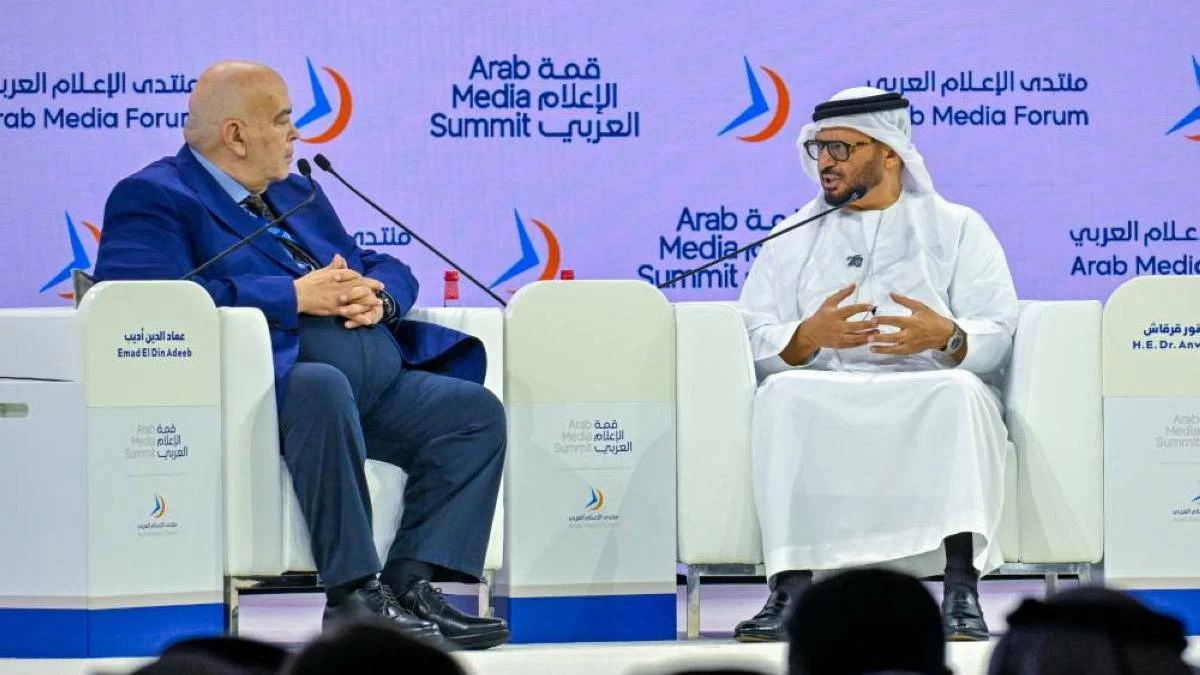
Anwar Gargash: UAE balances deterrence and dialogue while staying on track for growth

His Excellency Dr. Anwar bin Mohammed Gargash, Diplomatic Adviser to the UAE President, said the UAE's approach to the current situation is based on two parallel tracks. The first is managing the current crisis and confrontation while minimising damage. The second focuses on assessing the future shape of regional relations, given the region's geographical proximity and complex, interconnected ties. Speaking during the session, "Media in the Time of Major Transformations," on the third day of the Arab Media Summit, moderated by Emad Eddin Adib, Gargash said there is a growing focus on understanding the current situation and finding a way out of it. He noted that the region remains in a state of crisis and confrontation, making it essential to manage this phase and limit its impact. At the same time, it is important to consider the nature of future relationships that will emerge after the crisis. He said the realities of geography and interconnected relationships require looking beyond the current crisis. He noted that the region has witnessed the collapse of the previous security framework, creating a need for new understandings suited to the next phase. Gargash said the UAE's approach to this complex situation is based on three main pillars. The first is deterrence and the defence of the UAE's sovereignty. The second is maintaining the flexibility needed for dialogue with Iran to establish a new framework for future relations. He said the current crisis will eventually come to an end and stressed the importance of managing it wisely. At the same time, efforts must be made to pave the way for a new chapter in the post-crisis period. He added that the third pillar relates to the leadership's commitment to protecting the country's sovereignty and people. He said the UAE's leadership is focused on taking all necessary measures to safeguard the nation under the current circumstances. Gargash stressed that, alongside managing the crisis, the UAE is continuing what he described as a "geo-economic policy" to ensure the uninterrupted progress of its economic and development agenda despite regional developments. He highlighted the UAE's commitment to maintaining strong ties with the rest of the world, citing the successful visit of President His Highness Sheikh Mohamed bin Zayed Al Nahyan to Germany. He stressed that the UAE does not want current developments to hinder its economic and development trajectory or its engagement with countries around the world. His Excellency stressed the importance of distinguishing between maintaining relations with Iran and rebuilding trust. He said that continued relations, communication and dialogue are driven by practical considerations related to geography, history and shared interests. However, rebuilding trust, in his view, will take many years. Gargash said relations between Iran and the countries of the region are essential and therefore require ongoing communication and dialogue. He said this dialogue should not be confined to day-to-day issues such as trade, aviation and maritime affairs. It should also address deeper issues, including guarantees of non-aggression and discussions about a future that preserves stability for both sides and the wider region. He explained that such matters are part of building a relationship, while trust is a separate issue. Restoring trust, he said, will require many years in light of what he described as the "major aggression" faced by Gulf countries. He argued that the preparations for this aggression had been made long before and were not the result of an immediate decision. He added that it targeted not only the UAE, but the Gulf states as a whole. He said relations should be approached from a pragmatic and realistic perspective that takes into account the nature of the region, its geography, history and existing ties. Building trust, however, is subject to different considerations and requires time. Responding to a question about the immediate steps Iran should take to contribute to peace and stability in the region, Gargash noted that the Iranian president had publicly described Iran's attack on Gulf states as a "major mistake". He said the mistake was strategic in nature. While it may have achieved short-term goals, it created a more complicated situation for Iran in the long run. He said Iran's multiple centres of decision-making need to adopt a different view of Gulf countries from the one that led to the decision to attack them. He stressed that the first step in that direction is refraining from targeting Gulf states. He added that this also applies to other issues, including the use of militias, attacks on some Gulf countries, and attempts to impose a new reality in the Strait of Hormuz. He said Iran would not be able to impose such a reality and that what is needed is a realistic approach to the region and its surroundings. Gargash said the countries neighbouring Iran are best placed to help mediate and support efforts to move the country out of its current crisis. He added that they could also contribute in the future to restoring Iran's economic and development prospects, which he said would be affected by the war. "The first step is to stop tensions in any form," he said. He explained that it is impossible to negotiate a new future while threats and attacks continue. Ending tensions, he said, is the starting point for shaping a different future. Responding to a question about Iranian accusations that the UAE had taken actions against Iran, Gargash said the UAE has defended itself and will continue to do so, while also extending a hand of friendship and keeping the door open to dialogue. He noted the presence of multiple centres of decision-making within Iran and said some statements may reflect the views of more hardline factions. In response to a question about whether Iran's decisions are made unilaterally, Gargash noted that since 1989, Supreme Leader Ali Khamenei has had the final say in Iran's decision-making. He said it would be difficult for any individual or institution to inherit that role in the same way. He added that engagement today requires dealing with multiple centres of influence within Iran. He said he would not describe them as "belligerent", but rather as "different", which helps explain the variation in statements and positions emerging from within the country.

MBMobile BusinessSaeed Al Washahi13h ago

Mona Al Marri announces return of Dubai International Film Festival

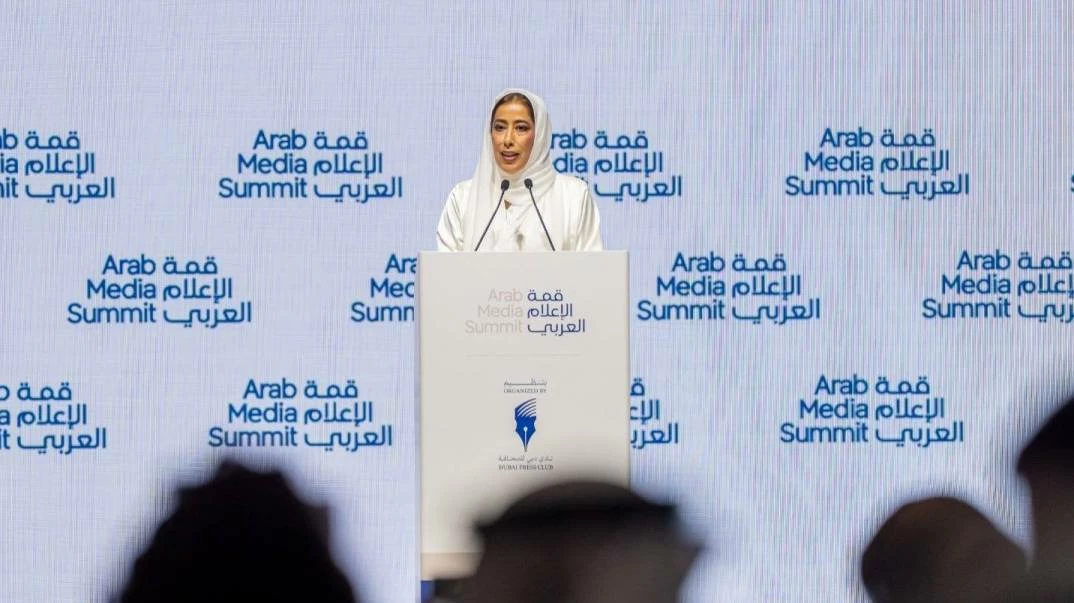
Her Excellency Mona Ghanem Al Marri, Vice Chairperson and Managing Director of the Dubai Media Council and Chairperson of the Organising Committee of the Arab Media Summit, announced the return of the Dubai International Film Festival, with a special Middle East edition from December 8. Her Excellency said the first edition of the festival in its new format will be dedicated to Arab films, reflecting the growing interest in Arab cinema and its creators. The festival will provide a broader platform for directors, producers, actors and writers to showcase their work, share their experiences, and engage with audiences, critics and industry professionals. She said the festival's return is not merely the revival of a cinematic event closely associated with Dubai's cultural standing. It is part of a new vision aimed at building an integrated ecosystem for film creativity that combines screenings, dialogue, talent discovery and knowledge exchange. The initiative seeks to help emerging generations enter the film industry and further develop their skills and expertise. A platform for talent and the future of filmmaking The new edition places Arab talent at the centre of the cinematic experience, providing young filmmakers with opportunities to present their work and ideas while engaging with leading figures in the industry. This will help build connections between different generations of filmmakers. The festival also aims to create a space for dialogue on the current state and future of Arab cinema, the challenges faced by filmmakers, and the opportunities arising from rapid changes in the content industry. It will also focus on identifying and supporting talent capable of telling Arab stories through fresh perspectives and innovative approaches. The initiative builds on the legacy of the Dubai International Film Festival, which helped establish Dubai as a prominent destination on the global film festival circuit. The festival attracted leading Arab and international filmmakers and actors, showcased a diverse range of films, and offered specialised programmes to support talent development and filmmaking. Al Marri said the festival's return reaffirms Dubai's position as a hub for talent and creativity. It will provide a platform that brings together filmmakers, cultural and media institutions, and audiences, helping to foster dialogue on the future of cinema in the region. Arab films are expected to be the focus of the inaugural edition, giving the region's filmmakers greater visibility and a platform to showcase new creative experiences. The programme will highlight the diversity of stories, voices and perspectives emerging from a new generation of filmmakers. This vision reflects a shift from a traditional film-screening event to a comprehensive creative ecosystem focused on discovering talent, building networks, exchanging knowledge and creating new opportunities for Arab filmmakers. It also supports Dubai's ambitions to strengthen its position as a regional hub for the creative industries.

MBMobile BusinessEmirates24714h ago

India warns US tariffs over Russian oil could hit ties, vows to protect energy security

NEW DELHI: India has warned Washington that new measures to levy tariffs over the purchase of Russian oil could impact bilateral ties, the South Asian nation's foreign ministry said on Thursday, hours after the U.S. made a new move to punish such buyers. Earlier in the day, the U.S. House of Representatives passed a sweeping sanctions and tariff bill intended to increase economic pressure on Russia over its invasion ⁠of Ukraine. The bill, now sent to President Donald Trump to sign into law, authorizes him to impose stiff tariffs of up to 100% on China, India and other countries to reduce their dependence on Russian energy. The Indian foreign ministry said that it had noted the passage of the bill, adding that New Delhi had raised the issue with various U.S. interlocutors ‌in recent months, and had "very clearly articulated" the potential implications for the bilateral relationship and the international energy market. New Delhi remains "firmly committed" to ensuring energy security for its people and will continue to source supplies from diverse sellers based on market dynamics, the ministry said in a ‌statement. "The Indian side has also made clear its determination to take all necessary measures to ‌protect its trade and economic interests," said the ministry, adding that the government would work closely with trade and industry ‌bodies to deal with the implications of the legislation. India, ‌the world's third-biggest oil importer, is among the biggest buyers of Russian oil, which is seen as helping Moscow replenish its budget since it launched its full-scale invasion of Ukraine in 2022 and was ‌hit with sweeping Western sanctions. New Delhi has repeatedly sought to resist pressure to scale back its ⁠oil trade with Russia, saying its large population and economy need secure, affordable and reliable energy supplies. Indian refiners have arranged oil for September and October which includes Russian oil, according to sources aware of the matter. Two refining sources said they want the government to take up the issue with ⁠U.S. authorities as oil prices will ⁠rise sharply if Trump decides to impose new tariffs. Oil supplies have reduced substantially due to the war in the Middle East and cutting Russian supplies will have a big impact on the profits of refiners as they are already selling fuels at below-market costs, ⁠the sources said. Refiners want the government to seek some relaxation, instead of imposing a 100% tariff, to allow them to wind down the existing transactions and fix a quota for India to buy Russian oil, they added. Complicating trade talks Indian analysts say the possibility of new U.S. tariffs on Indian exports could complicate ongoing India-U.S. trade negotiations and potentially delay or make an agreement on a trade pact more difficult. "Washington may use the tariff threat to pressure India to reduce Russian ‌oil purchases and accept a deeply unequal trade agreement," said Ajay Srivastava, founder of New Delhi-based think-tank Global Trade Research Initiative and a former trade official. After months of talking, India and the U.S. are yet to reach a consensus on a trade agreement with New Delhi holding out for a better deal. Indian Trade Minister Piyush Goyal will travel to the United States for the G20 trade ministers' meeting later this month where he is expected to hold a bilateral meeting with the United States Trade Representative Jamieson Greer and discuss the path forward for the deal.

MBMobile BusinessReuters16h ago

Wizz Air cuts capacity forecast as Iran war fuels industry's cost crunch

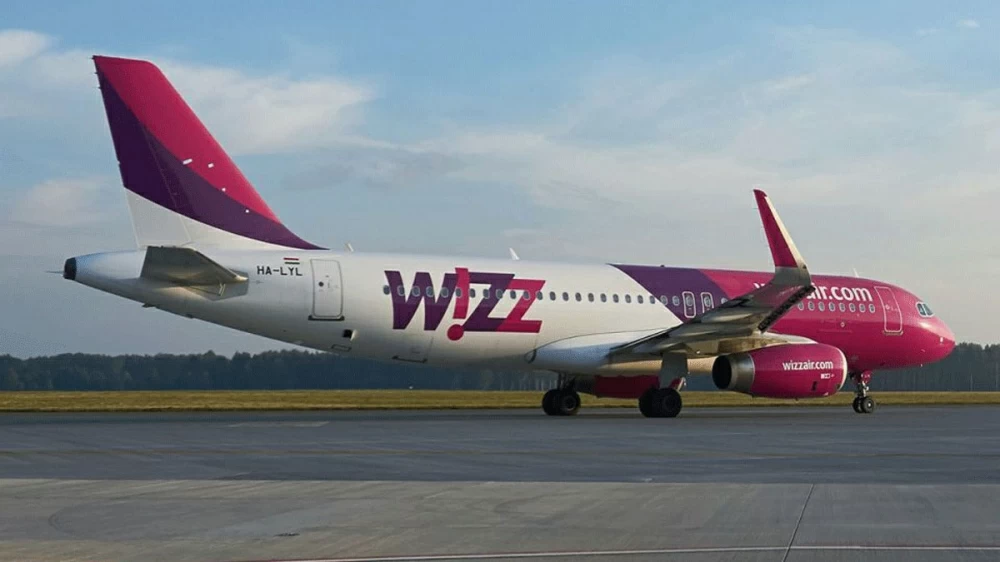
Budget carrier Wizz Air on Thursday said it had cut its planned capacity ⁠for the second half of its fiscal year by 5%, joining rivals in scaling back growth plans as the Iran war continues to drive a sharp rise in fuel costs. The worst airline crisis in terms of ‌costs since the COVID-19 pandemic, the U.S.-Iran war has sent the global aviation industry into a severe cost shock, with Latvian airline airBaltic becoming the first ‌European carrier to file for bankruptcy earlier this week due ‌to the conflict. While full-service flag carriers have generally proved more resilient than ‌budget operators, whose business models ‌rely on cheap fares, even larger U.S. carriers have scaled back their planned flight schedules as surging fuel prices threaten earnings. Wizz Air ‌upgraded its revenue per available seat kilometre (RASK) forecast for ⁠the second quarter running from July to September to flat year-on-year, from a previous forecast of "down low single digits," after a stronger-than-expected summer revenue performance, sending shares up ⁠more than 3% ⁠in early trade. The Hungarian airline set out medium-term financial targets of achieving €10 billion ($11.47 billion) in revenue and a 10% EBIT margin by fiscal year 2030 as ⁠it seeks to restore sustainable profitability after a turbulent stretch. It also plans to operate an all-new-engine-option fleet of 335 aircraft and carry 127 million passengers by fiscal year 2030, up from the 269 aircraft it currently operates and the 69.7 million passengers it carried in its last financial ‌year. The targets mark a pivotal moment for Wizz Air, which has spent the past two years battling grounded aircraft from Pratt & Whitney engine issues, surging fuel costs from the Iran war and a bruising stretch of losses, as it attempts to convince investors it can translate its ultra-low-cost model into durable returns.

MBMobile BusinessReuters16h ago

Meet Rapper Maddy: The Indian expat living two lives – and nailing a Dubai-it mindset in both

Dubai: Anshit Sharma had a feeling when he switched from aeronautical engineering to journalism in New Delhi, India. He knew it when he became Rapper Maddy, performing in clubs, and starring in interviews on radio and TV channels. And in 2024, he believed it to be true when he moved his whole life from India to Dubai. Sharma had figured out the recipe for success: a little courage and a whole lot of faith. The Indian national said he approaches life without any agenda, other than hard work and determination. Enter Rapper Maddy Sharma currently works as the head of a global marketing firm in Dubai. But he has an alter ego: Rapper Maddy. Sharma fell in love with rap during his university days, where he built up a reputation as a musician and poet. He said: “A Tibetan friend of mine showed me how to combine poetry with music – he introduced me to rap. And that’s when I turned to this form of music.” He began performing in clubs and events all over India. In 2009, he appeared on All India Radio (known today as Akashvani) and his rapping career took off. As he performed, Sharma also learned to promote himself, and became fluent in the inner workings of marketing. He said: “I wanted to reach people who didn’t like rap, or who didn’t listen to that kind of music. I understood how to network and knew some marketing tips and hacks that helped me meet everyone in the music industry.” Even as he rubbed shoulders with artistes and managers, performing at shows, singing at weddings and building his brand, Sharma made a life-changing pivot. In his professional life, he established his own public relations firm in New Delhi in 2022, and became a marketing professional, gaining international clients from all over the country and abroad – even the Middle East. Sharma said he has had to learn to separate his two personalities in his head – Rapper Maddy and marketing professional Anshit. He said: “Maddy is the free-spirited extrovert who goes with the flow, while Anshit is like his employee, who keeps him anchored, and is steady and reliable.” It’s Anshit whose marketing connections brought Rapper Maddy to Dubai in 2024. Sharma, who speaks five languages, and even a little Arabic, is finding that he’s able to reach diverse audiences, thanks to Dubai's multicultural community. Picture credit: Supplied Starting over in Dubai For years, Sharma made frequent visits to Dubai, both for his public relations work, and to perform as Rapper Maddy at events. In 2024, he decided to move here full time. Initially, he found it challenging to go from knowing everyone in India, to having just a few connections in a new city. He said: “In India, if you know somebody, they are connected to someone else. You are introduced to them, and then go on to know everyone. When I first came to Dubai, I thought, ‘How do I start from scratch?’” But networking is a natural part of Sharma’s communication style. He said: “I realised how important networking is, after coming here.” Gradually, he managed to get noticed, appear on radio interviews, perform in shows, and establish Rapper Maddy in Dubai. He credits Dubai’s culture of hospitality and lifting each other up, for his success: “I received so much love from everyone I met in Dubai. Money is not money – people are money, and if they are with you, you can do anything.” Sharma, who speaks five languages – English, Hindi, Punjabi, Portuguese and Spanish – and even a little Arabic, is finding that he’s able to reach diverse audiences, thanks to the city’s multicultural community. He said: “Who knew that the Portuguese that I learned in India, and never got the opportunity to speak there, is helping me connect with people in Dubai?” Just two years into his life in the city, Sharma has learned to Dubai-it with gusto – he’s following the city’s philosophy of achieving excellence in record time. He currently works as the head of a global marketing firm, and he has shows regularly lined up for Rapper Maddy. He said: “I feel like I’m meeting the right people. My dual life – Anshit and Rapper Maddy – are both gaining full exposure, which I believe is just not possible in any other country.” Going with life’s flow He knows this from experience. From a very early age, life has been opening up different paths for Sharma. He was raised in New Delhi, but went to school in Dehradun, India. His childhood was a great time: “I participated in every extracurricular activity, won competitions, and loved to dance.” At university, he enrolled in 2006 for an aeronautical engineering degree and worked in aircraft maintenance for a while, but the career didn’t stick. For Sharma, the demands of the job clashed with his laidback personality: “It was a very high stress job, and there was always a big ‘if’ – if something were to go wrong, it would have been a major responsibility.” So, he pivoted. He enrolled in another Bachelor’s degree in 2009, this time in mass communications and journalism. While studying, he found a passion for rap music, and eventually launched Rapper Maddy. He has been featured in reality shows, like MTV Splitsvilla and MTV Roadies, and became the first host to anchor an entire show through live rap, on Disney (India) Yeh Hai Aashiqui, a romance anthology. He has even shared the stage with international music artistes, such as Dutch DJ Armin Van Buuren and American hip-hop artiste Fatman Scoop. So, what’s next? Sharma doesn’t have a plan, but he has faith everything is going to work out. His next rap song ‘Tera Bhai’ is set to be released soon. By gaining exposure to Dubai’s incredible events calendar, celebrity roster, and networking platforms, Sharma hopes to amplify his career even more: “I want to go international!”

MBMobile BusinessSanya Nayeem16h ago

Emirates, Medical Tourism Association partnership to grow healthcare travel segment

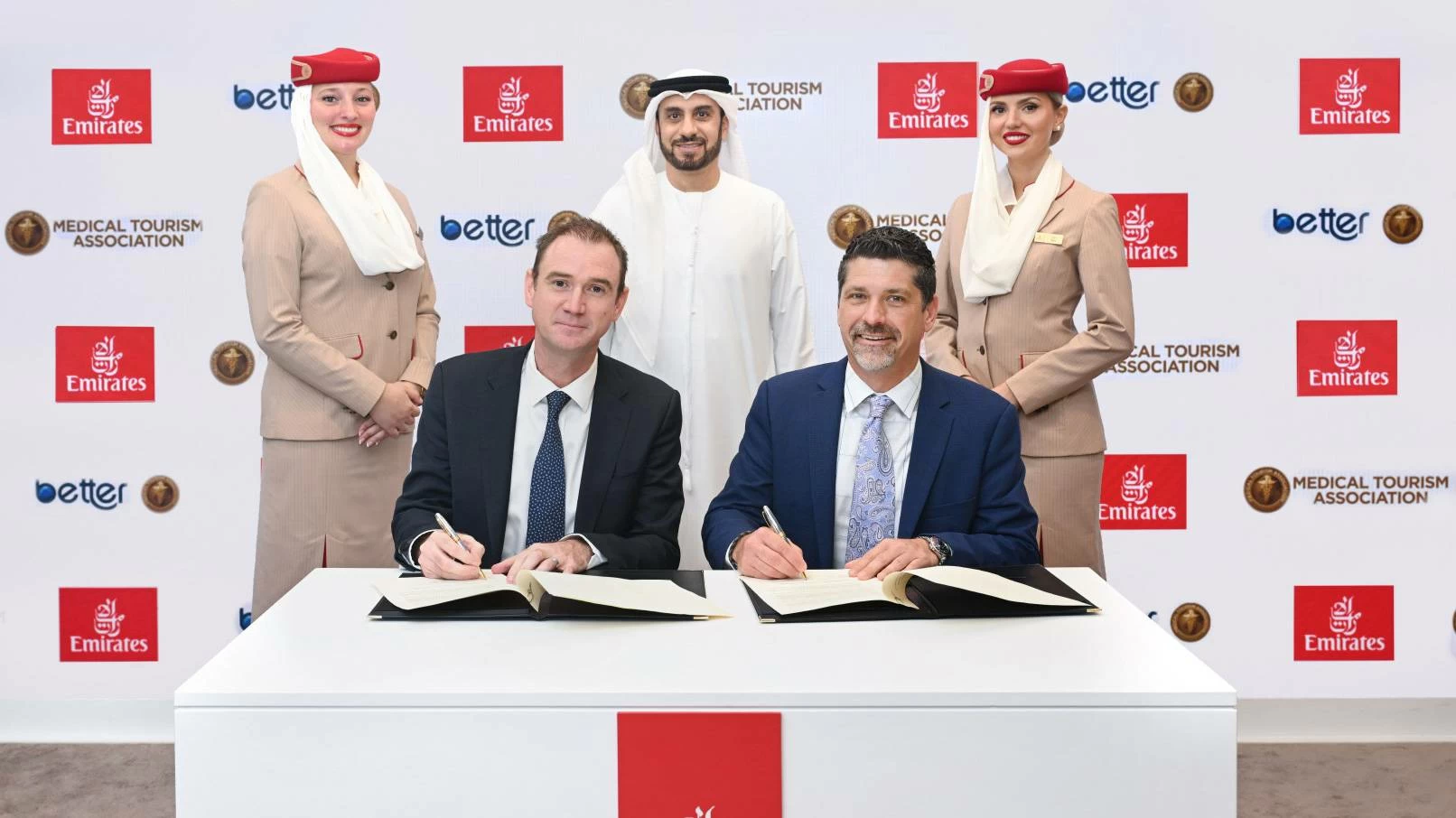
Emirates has signed a memorandum of understanding with the Medical Tourism Association (MTA) as it seeks to expand its presence in the growing medical tourism sector. The agreement was signed on the sidelines of ATM 2026. It forms part of Emirates' efforts to diversify beyond traditional leisure and business travel by building a long-term relationship with an organisation focused on international healthcare travel. The partnership also aligns with Dubai's position as a healthcare, wellness and medical tourism destination and Emirates' global network of nearly 140 destinations. Adnan Kazim, Emirates’ Deputy President and Chief Commercial Officer, said: “Healthcare is among the most important reasons people travel internationally and is growing significantly. Our newly established partnership with MTA positions Emirates where premium demand is heading, and our network and superior products both onboard and on the ground provide a natural platform to serve these travellers. The insights we gain from working with MTA will also help us develop product propositions that are genuinely tailored to how these travellers plan, book and experience their journeys.” Jonathan Edelheit, CEO and Founder of the Medical Tourism Association, said the partnership could help connect international patients with accredited healthcare providers through the organisation’s network and platforms. Medical Tourism Association: an airline first Emirates’ partnership with the Medical Tourism Association, a non-profit organisation focused on the medical tourism industry, aims to support the development of medical, wellness and longevity travel as a customer segment for the airline. Under the agreement, Emirates will serve as MTA’s preferred airline partner for international medical and wellness travellers. The organisations will work to identify key markets and medical travel corridors, particularly across Africa, Asia and the Middle East. They will also explore tailored travel solutions and customer services for patients, referring physicians, insurers and employers. The agreement also includes collaboration with healthcare providers accredited by Global Healthcare Accreditation (GHA). Emirates and MTA plan to work on industry initiatives, knowledge-sharing and market intelligence aimed at better understanding opportunities in the medical travel sector. The partnership also supports Emirates’ goal of becoming the world’s first GHA-accredited airline. MTA’s network includes healthcare providers, employers, insurers and industry stakeholders across more than 100 countries. As part of the partnership, Emirates and MTA will explore ways to help travellers identify accredited providers, coordinate treatment and travel arrangements, and make secure cross-border payments, with the aim of creating a more seamless medical travel experience.

MBMobile BusinessEmirates24716h ago

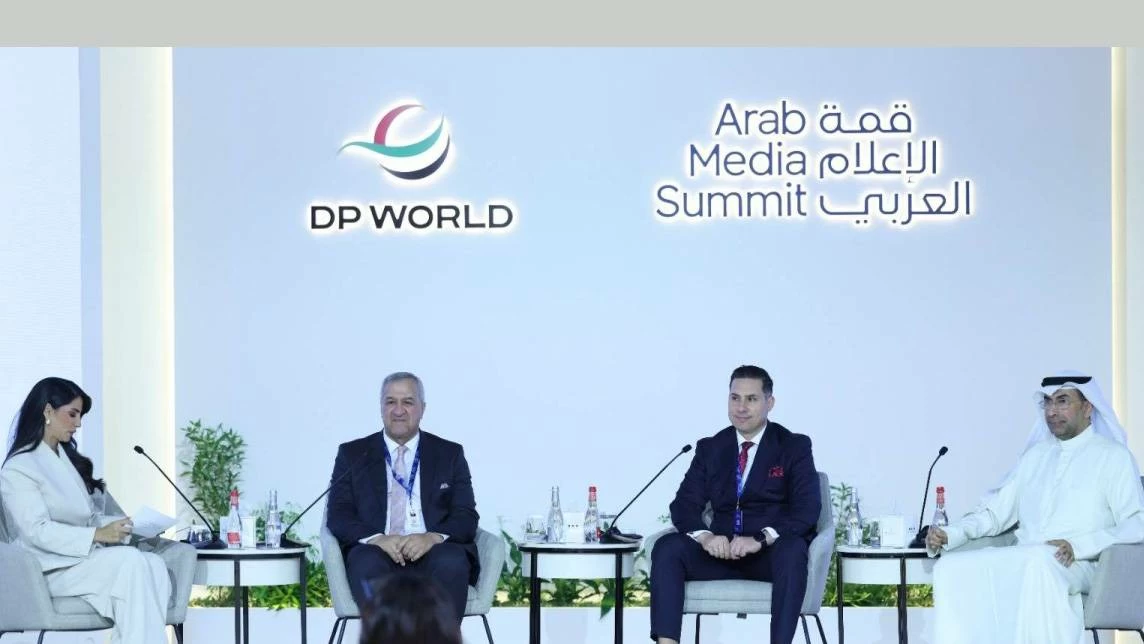
Arab Media Summit 2026 to conclude today after focus on innovation and media transformation

The Arab Media Summit 2026 concludes Thursday in Dubai, marking its 24th edition and silver jubilee. Over several days, the summit brought together media professionals, decision-makers and experts to discuss the state of the media industry and the rapid transformations reshaping it. Discussions focused on advances in content creation tools, the growing influence of digital platforms, and the expanding role of artificial intelligence in the media landscape. On its final day, the summit will continue to address issues shaping the future of the profession. Discussions will focus on the media’s role in creating awareness and influence, as well as the opportunities and challenges presented by new technologies and changing audience consumption habits. At a time of rapid change, the ability of media organisations to adapt, innovate and keep pace with transformation has become a key factor in maintaining their relevance and impact. The first and second days of the summit featured a wide range of events highlighting the future of media and the transformation of content creation. The programme also included workshops and panel discussions on film and drama production, the future of media work, and the development of Arab talent.

MBMobile BusinessEmad Eddin Ibrahim17h ago

Doctor or influencer? Experts urge caution over online health advice

The session, “The Doctor or the Influencer... Who Do We Believe?”, held as part of the Arab Social Media Pioneers Summit, highlighted the impact of medical content circulating on social media platforms on public awareness and health decisions. The discussion came amid a growing presence of content creators and an increasing number of information sources. Speakers also addressed the challenges surrounding the accuracy and reliability of information, as well as the professional and ethical responsibility for its dissemination. The session featured Dr. Anwar Al Hammadi, Consultant Dermatologist; Dr. Talal Al Muhaisen, Consultant Dermatologist; Dr. Munther Al-Harini, physician and content creator; and media director Aya Khayat. The speakers discussed ways to distinguish reliable medical information from misleading content. They also examined the role of doctors and influencers in providing health content that combines scientific accuracy with the ability to reach and influence audiences. Dr. Anwar Al Hammadi stressed the importance of doctors being influential and effective in the digital space without becoming marketers. Dr. Talal Al Muhaisen said non-health influencers have become more visible than doctors on social media platforms. He attributed this to their high volume of content, bold promises, and use of attention-grabbing techniques, while noting that doctors operate within clear professional guidelines. Dr. Munther Al-Harini called on doctors to communicate in the language of their audiences and present information in a simplified and engaging manner. The session concluded that widespread content is not necessarily proof of authenticity. Participants stressed that medical expertise and scientific evidence remain the foundation for evaluating health information. They also highlighted the importance of strengthening the digital presence of doctors as health educators who contribute to prevention and help build a more informed society.

MBMobile BusinessEmirates24717h ago

UAE weather forecast: Why it’s hard to cool down today - humidity reaches 95% as fog risk builds overnight

Dubai: The air is nearly fully saturated today, as relative humidity (RH) reaches 95% in coastal regions of the UAE, such as Abu Dhabi and Dubai. According to the National Centre of Meteorology (NCM), today’s weather will be fair to partly cloudy eastward. Why you feel like you can’t cool down easily Humidity is on the rise, and will peak at 95% along coastal regions by night, and at 90% in internal areas, according to the NCM. High humidity during warm weather can cause you to feel clammy and uncomfortable because sweat doesn’t evaporate easily, hindering the body’s cooling mechanism. According to the US-based Centres for Disease Control and Prevention (CDC), prolonged exposure to high humidity can lead to dehydration and heat exhaustion, along with respiratory issues, which can be especially concerning for those with asthma. The NCM advises limiting outdoor activities in such conditions, staying hydrated, and dressing in cool fabrics. If you’re indoors, use dehumidifiers and air conditioning to help remove excess moisture from the air. With higher humidity, the NCM is also forecasting a high chance of fog formation tonight and tomorrow morning. Be cautious when driving, as horizontal visibility may drop considerably in such conditions. Warm weather Temperatures are holding steady in the low-40s across the UAE. According to the NCM, coastal and island regions will experience highs between 38°C and 43°C, while internal regions will be warmer, at 41°C to 46°C today. Abu Dhabi will reach 42°C today, while Dubai and Ras Al Khaimah will experience 41°C temperatures. Sharjah, Ajman, Fujairah and Umm Al Quwain will see a high of 38°C. Moderate sea conditions The NCM forecasts light to moderate southwesterly to northwesterly winds, freshening at times, and reaching speeds of up to 30km/h. Both the Arabian Gulf and the Sea of Oman are expected to remain calm, with gentle waves reaching up to two feet on-shore and up to three feet off-shore. Here is the complete breakdown of minimum and maximum temperatures across the Emirates today: Maximum Temp (°C) Minimum Temp (°C) Dubai 41°C 29°C Abu Dhabi 42°C 28°C Al Ain 43°C 28°C Sharjah 38°C 27°C Ajman 38°C 28°C Fujairah 38°C 29°C Ras Al Khaimah 41°C 27°C Umm Al Quwain 38°C 29°C Liwa 43°C 30°C

MBMobile BusinessSanya Nayeem21h ago