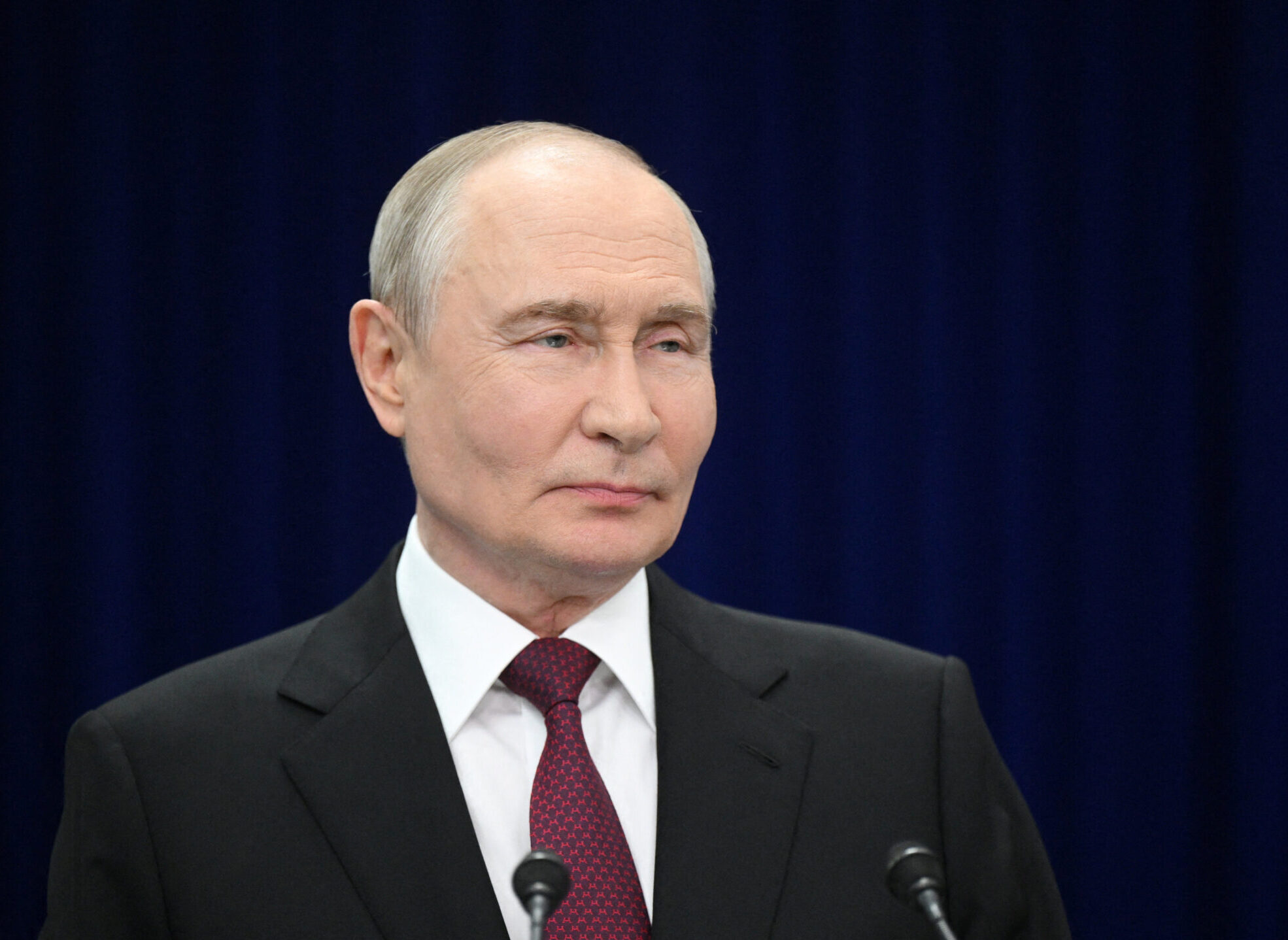
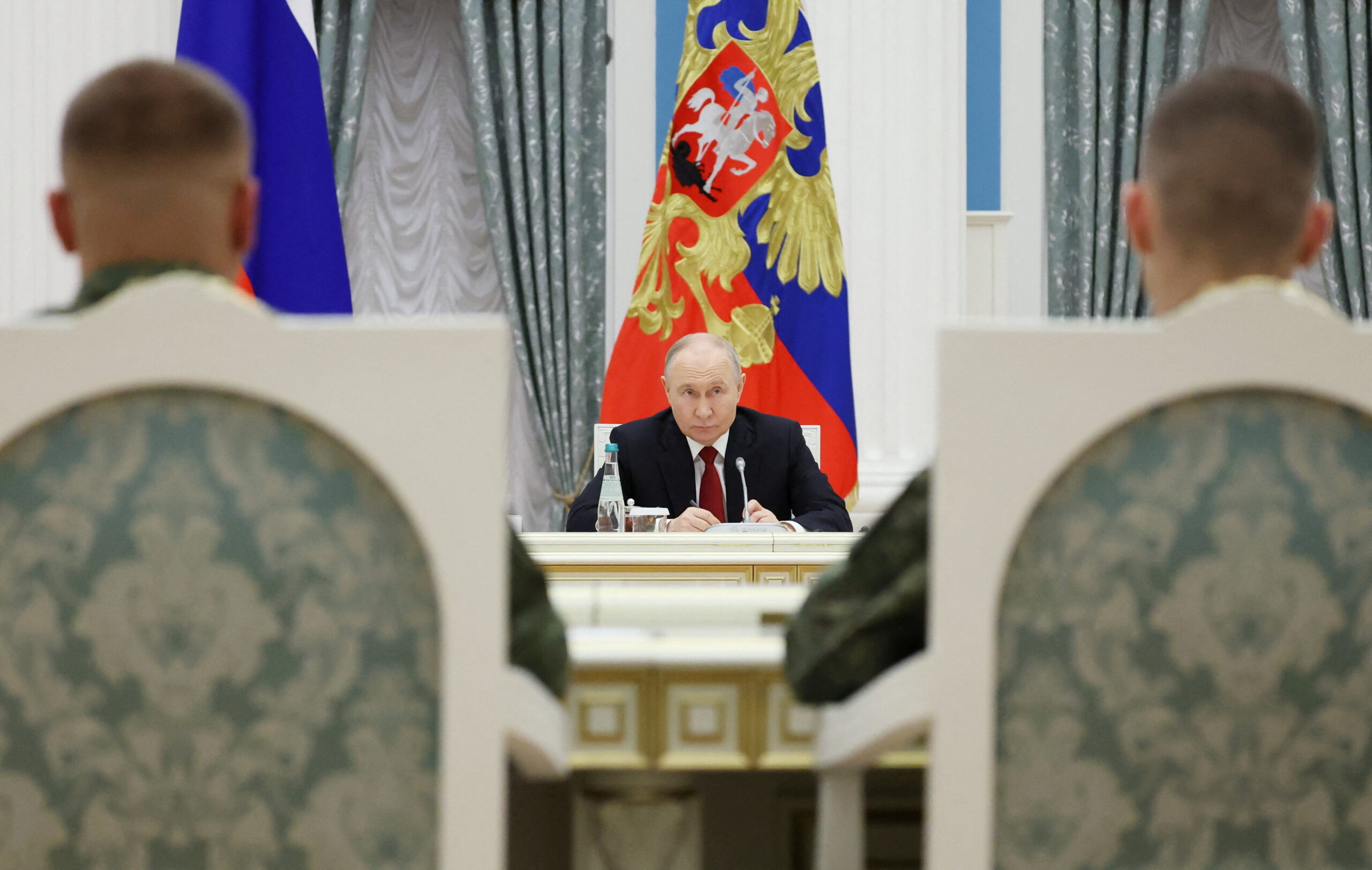
Vladimir Putin told Trump’s emissaries that the Russian army will achieve its objectives in Ukraine
Putin's confidence in military success may escalate tensions, affecting geopolitical stability and market perceptions of regional security.

Putin's confidence in military success may escalate tensions, affecting geopolitical stability and market perceptions of regional security.

The meeting signals potential diplomatic progress, but the temporary ceasefire highlights ongoing challenges in achieving lasting peace in Ukraine.

The pause in strikes may signal a shift towards diplomacy, potentially increasing the chances of a broader ceasefire in the conflict.

The ongoing diplomatic complexities and unresolved core issues suggest significant hurdles remain for a Russia-Ukraine ceasefire resolution.

The ceasefire highlights the complex interplay of diplomacy and conflict, underscoring the challenges in achieving lasting peace in Ukraine.

The ceasefire acknowledgment may enhance diplomatic efforts, potentially leading to a formal peace agreement and stabilizing regional tensions.

The diplomatic engagement could reshape geopolitical dynamics, influencing global markets and international relations, with potential ceasefire impacts.

The unilateral pause highlights the fragile nature of diplomacy, risking legitimization of selective ceasefires without genuine de-escalation.

The pause in strikes may signal a diplomatic opening, potentially influencing market optimism and international mediation efforts for peace.

The intensified bombing may strain Ukraine's defenses, potentially altering geopolitical dynamics and impacting international diplomatic efforts.

The escalation of strikes underscores the fragile state of diplomacy and the potential for increased tensions between Russia and NATO allies.

The escalation may hinder diplomatic efforts, reduce ceasefire prospects, and further strain U.S.-Russia relations, impacting global stability.

If Russian President Vladimir Putin decides to attack NATO, his goal will be to divide and discredit the alliance rather than actually defeating it, writes Peter Dickinson.

Russia is escalating its campaign of so-called “grey zone” aggression against Europe as Putin attempts to intimidate EU leaders and deter further support for Ukraine, write Maksym Beznosiuk and Will Dixon.

Putin's rhetoric may escalate tensions, complicating peace talks and impacting global markets amid fears of NATO-Russia military conflict.

Putin's targeting of UK sites signals potential conflict expansion, impacting geopolitical stability and market perceptions of military risks.

Moscow claims to be ready for peace once the "root causes" of the Russia-Ukraine War are addressed, but Putin's demands confirm that he believes the "root cause" of the war is the existence of an independent Ukraine, writes Kateryna Odarchenko.

Putin's refusal to negotiate with Zelensky exacerbates diplomatic deadlock, diminishing ceasefire prospects and unsettling market expectations.

Escalating military actions in Ukraine could shift market perceptions, influencing strategic decisions and potential territorial advances.

The CIA director’s recent unannounced visit to Moscow has raised speculation about Russian plans to escalate attacks.