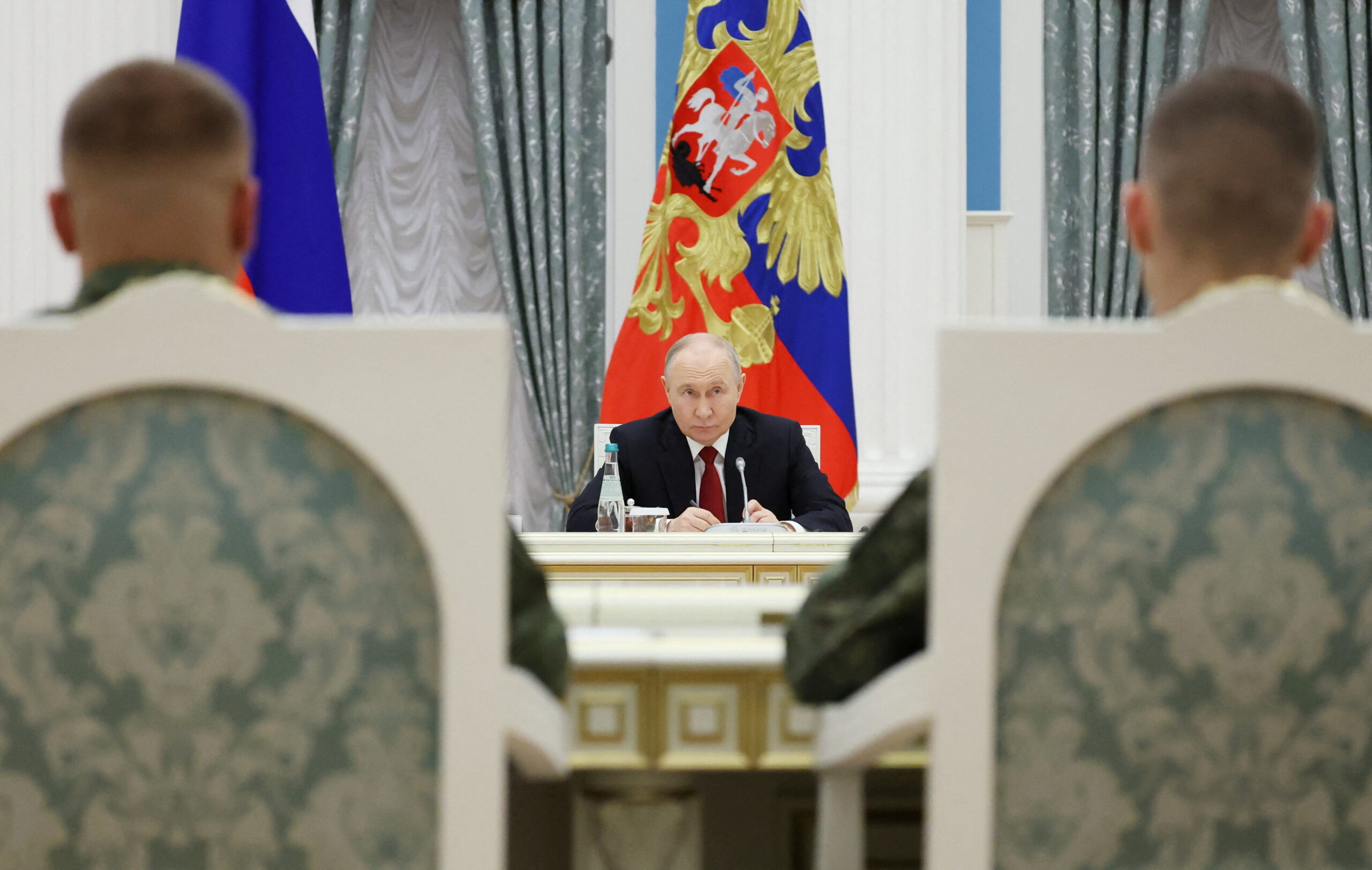
Where and how Putin could expand his war in Europe beyond Ukraine
The CIA director’s recent unannounced visit to Moscow has raised speculation about Russian plans to escalate attacks.
 Atlantic Council•Atlantic Council experts1 Sept
The CIA director’s recent unannounced visit to Moscow has raised speculation about Russian plans to escalate attacks.
Atlantic Council•Atlantic Council experts1 Sept
Economic instability in Russia could hinder military strategies and reduce ceasefire prospects, impacting global markets and diplomatic efforts.
 CryptoBriefing•Estefano Gomez1 Sept
Diplomatic tensions over Russia's Ukraine involvement may hinder future Trump-Putin meetings, affecting geopolitical dynamics and markets.
CryptoBriefing•Estefano Gomez31 Aug
The escalation in Ukraine heightens regional instability and raises the risk of a broader NATO-Russia conflict, impacting global security dynamics.
CryptoBriefing•Estefano Gomez31 Aug
The proposed summit could signal a shift in U.S. diplomatic strategy, potentially impacting ceasefire prospects and market perceptions.
CryptoBriefing•Estefano Gomez29 AugOn August 29, Elisabeth Braw was interviewed by The Sun to discuss Putin’s plots to ramp up hybrid attacks against NATO.
Atlantic Council•Elisabeth Braw29 Aug
Increased conflict risks heighten global instability, potentially drawing NATO into direct confrontation, impacting geopolitical dynamics.
CryptoBriefing•Estefano Gomez26 Aug
The CIA chief's Moscow visit may signal a thaw in U.S.-Russia relations, potentially influencing future diplomatic and market dynamics.
CryptoBriefing•Estefano Gomez26 Aug
Kremlin dictator Vladimir Putin is pursuing longstanding Russian imperial objectives in Ukraine and will not stop until he is forced to accept the irreversible reality of an independent Ukrainian state, writes Peter Dickinson.
Atlantic Council•Peter Dickinson25 Aug
Russia's increased control over firms signals a strategic shift in domestic security, potentially impacting economic stability amid ongoing conflict.
CryptoBriefing•Estefano Gomez25 Aug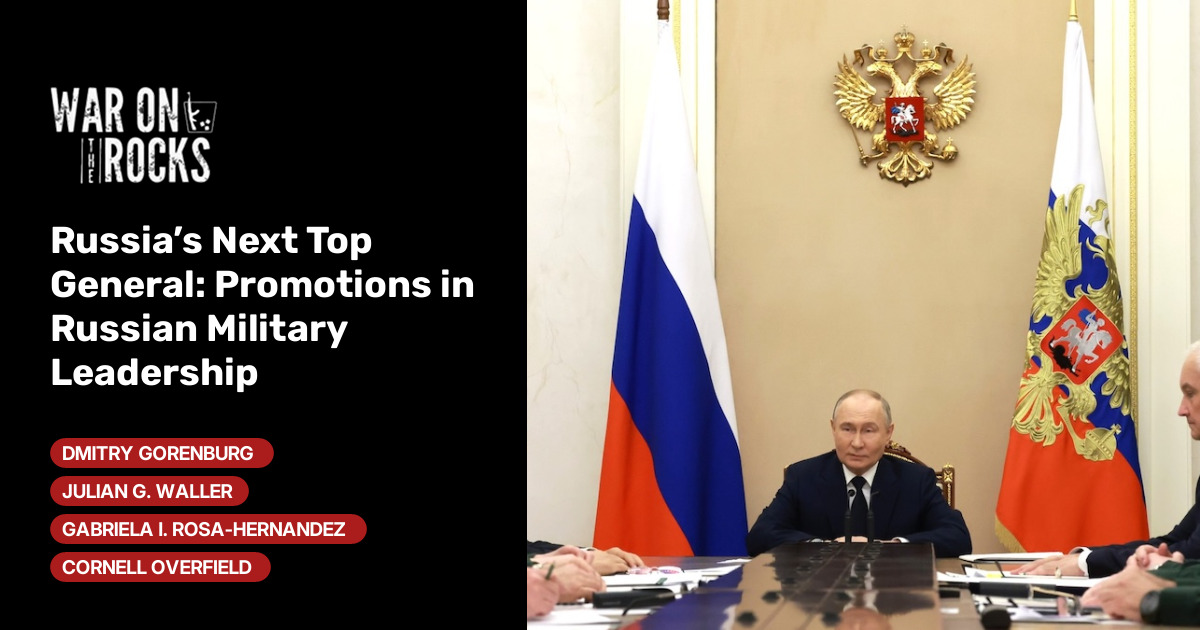
Judged by the initial strategic goals set by Russian President Vladimir Putin in 2022, Russia’s military lost its war against Ukraine some time ago. Yet Russia’s armed forces have not stopped fighting and continue to prosecute large-scale combat operations in a brutalizing, protracted war sucking up much of Russia’s assets of national power, from pure military capacity to foreign policy priorities to considerable societal and economic resources. While Putin calls the most important strategic shots, it is Russia’s senior military elite that makes the strategic and operational decisions impacting warfighting outcomes every day. Who are these senior officers, where did
 War on the Rocks•Cornell Overfield25 Aug
Putin's warning heightens geopolitical risks, potentially destabilizing NATO regions and impacting global security and economic stability.
CryptoBriefing•Estefano Gomez25 Aug
The mobilization could prolong the conflict, altering battlefield dynamics and impacting strategic objectives in key Ukrainian regions.
CryptoBriefing•Estefano Gomez24 Aug
A Guardian correspondent’s sobering account of the US betrayal of Ukraine – and the possible reasons behind it American presidents have struggled to get the measure of Vladimir Putin. When George W Bush met him in 2001, he reported that he had “looked the man in the eye”, got a “sense of his soul” and found him “trustworthy”. Barack Obama thought Putin was making a mistake with his interventions in Ukraine and Syria, but didn’t do much about it. Joe Biden backed Ukraine’s resistance to the Russian invasion, yet his fear that Putin would reach for the nuclear button if backed into a corner made him risk averse. He worried about the impact of the sort of long-range strikes against Russian territory that Kyiv is now launching on a daily basis. This caution frustrated Ukrainians to the point that they looked forward to Donald Trump shaking things up after he won re-election. Be careful what you wish for: the returning president thought his rapport with Putin would be enough to get Russia to sign up to an immediate ceasefire. In Trump’s head it was President Zelenskyy, fighting a war he was bound to lose, who was the problem. Continue reading...
 The Guardian•Lawrence Freedman24 Aug
Escalating tensions threaten global grain supply chains, potentially destabilizing markets and intensifying the Ukraine conflict.
CryptoBriefing•Estefano Gomez22 Aug
Increased military activity in Ukraine could heighten geopolitical tensions, impacting global markets and prompting international diplomatic responses.
CryptoBriefing•Estefano Gomez22 Aug
The conflict's expansion into new areas may strain Ukrainian resources and increase the likelihood of Russian advances in contested regions.
CryptoBriefing•Estefano Gomez20 Aug
Poland's military readiness highlights NATO's strategic challenges and tests alliance unity amid rising Eastern European tensions.
CryptoBriefing•Estefano Gomez19 Aug
The UK's decisive action against Russia's shadow fleet may escalate maritime tensions, risking retaliatory measures and broader geopolitical instability.
CryptoBriefing•Editorial Team13 Aug
Putin's threat escalates maritime tensions, potentially increasing military conflict risks and impacting global trade and geopolitical stability.
CryptoBriefing•Estefano Gomez12 Aug