Africapage 3

Place · 230 articles
Share

Coverage, page 3

page 3 of 12

TotalEnergies and BlackRock Sign $1.8B Deal for African Oil and Gas Assets

TotalEnergies and BlackRock’s Global Infrastructure Partners (GIP) have signed a partnership agreement under which GIP will invest $1.8 billion in capital contribution toward some of the French supermajor’s oil and gas infrastructure assets in Africa. In exchange for the $1.8 billion capital contribution, TotalEnergies will pay GIP a tariff over a period of up to 15 years, based on the assets’ throughput, the French energy giant said on Friday. TotalEnergies did not specify which of its oil and gas infrastructure assets would…

OilPrice.comOilPrice.comMichael Kern18 Sept

Louisiana firefighters find feline native to sub-Saharan Africa while responding to house fire

The African serval, illegally enclosed in the back yard, was subdued and transferred to an animal welfare facility Louisiana firefighters responding to a small house blaze found a wildcat native to sub-Saharan Africa illegally enclosed in the back yard, and an animal welfare agency is now seeking to place the creature in an appropriate environment, according to officials. Firefighters investigating a report of a minor fire at a home in the suburban New Orleans community of Marrero on Tuesday spotted the cat in question – an African serval – behind the residence in a chain-linked enclosure resembling a cramped baseball batting cage, a spokesperson for the local animal protection services said. Continue reading...

The GuardianThe GuardianRamon Antonio Vargas18 Sept

World: United Nations Day for South-South Cooperation 2026 - Rising Solidarity in Africa: Transforming National Experiences into Regional Solutions through South-South Cooperation

Country: World Source: Regional Centre of Excellence against Hunger and Malnutrition Please refer to the attached file. On the occasion of the 2026 United Nations Day for South-South Cooperation, this article highlights how African countries are transforming national experiences into regional solutions for food security and nutrition. Drawing on examples from Zambia, Côte d’Ivoire, and Benin, it demonstrates how knowledge sharing, peer learning, and technical cooperation can help countries adapt proven approaches to their local contexts. The article also showcases the role of the Regional Centre of Excellence against Hunger and Malnutrition (CERFAM) in identifying, documenting, and promoting good practices, while facilitating South-South and triangular cooperation across Africa. It argues that stronger knowledge exchange and solidarity are essential to accelerating sustainable development and building more resilient food systems on the continent.

ReliefWebReliefWebRegional Centre of Excellence against Hunger and Malnutrition18 Sept

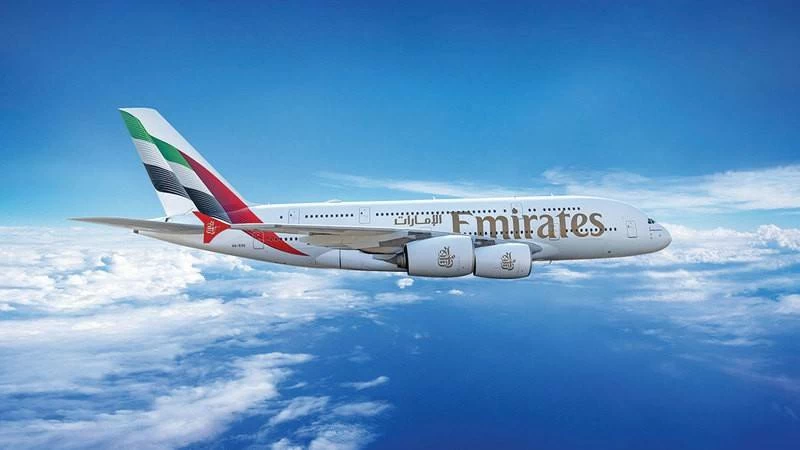
Emiraes wraps up ATM 2026 with more than 30 partnerships

Emirates closed Arabian Travel Market 2026 having signed more than 30 agreements at the industry event, spanning tourism boards across 16 countries, and organisations at the centre of new customer segments and communities. Premium Economy is a standout draw The highlight of the airline's stand was its first electrically powered Premium Economy seat, shown publicly for the first time at ATM 2026. Thousands of visitors were able to sit in the seats and explore the latest functions and comfort in Premium Economy. It drew steady traffic throughout the show, with visitors also experiencing the A380 Shower Spa and Onboard Lounge, the Boeing 777 Game Changer First Class Suite, and A350 Business and Economy Class seats, which included the U-Dream headrest. Growing visitor flows through partnerships Emirates signed or renewed agreements with tourism authorities across Africa, Europe, Asia and the UAE, working to convert awareness in source markets into visitor arrivals and supporting travel ecosystems. In Africa, the airline signed new agreements with Kenya Tourism Board and Mozambique's ANDITUR. In Europe, Emirates signed with Visit Finland ahead of the 1 October Helsinki launch, Fjord Norway, Bologna Welcome and Parma Welcome, while Emirates Holidays partnered with the Spain Tourism Office. In West and Southeast Asia, agreements were reached with Tourism Malaysia, the Japan National Tourism Organization, the Sri Lanka Tourism Promotion Bureau and the Maldives Marketing and Public Relations Corporation, Seychelles Tourism Board and Ministry of Tourism and Culture, and the Mauritius Tourism Promotion Authority, and renewed its partnership with the Madagascar's Ministry of Tourism and Handicrafts. Closer to home, the airline renewed with Sharjah Commerce & Tourism Development Authority and signed with Ras Al Khaimah Tourism Development Authority. Tapping into new customer segments Several new agreements are creating inroads for the airline to tap into new travel segments beyond traditional leisure and corporate business. In education, the airline partnered with the Knowledge and Human Development Authority to support Dubai's ambition as a global study destination, and with ICEF, becoming a preferred global airline partner for education travel. In medical and wellness travel, an agreement with the Medical Tourism Association positions Emirates as the preferred airline for longevity and wellness travel alongside traditional medical travel. In sports, a partnership with Cutting Edge will build travel packages for fans attending major fixtures across cricket, football, motorsport, golf, tennis and more. The airline also moved deeper into marine crew travel through agreements with Cisalpina Tours International and MSC Cruises, covering seafarer rotations, dedicated crew fares and enhanced baggage allowances. Further agreements with the Overseas Workers Welfare Administration, the Finnish and Vietnamese Business Councils, Huawei, Dubai Duty Free, Alibaba Fliggy, DERTOUR Group, Emirates Islamic and Al Etihad Payments to bring Jaywan to Emirates bookings, extended the airline's reach across distinct communities and channels. Emirates and Kuwait Airways also signed to expand their interline partnership into a reciprocal codeshare. Recognitions and accolades During ATM, Emirates was recognised for product and service excellence, winning several global and local accolades. At the 2026 World Travel Awards Middle East, Emirates received four honours: Middle East’s Leading Airline – First Class 2026; Middle East’s Leading Airline Brand 2026; Middle East’s Leading Airline Lounge – First Class 2026; and Middle East’s Leading Airline Rewards Programme 2026. The airline was also named Best Long-Haul Airline at the inaugural Independent Travel Awards 2026 and received the Al Rehla Golden Travel Award in the UAE. These recognitions underscore Emirates’ continued focus on product innovation, customer experience and connectivity, as the airline continues to work to further elevate its onboard and onground experiences. Emirates has experienced a strong recovery in demand following earlier disruption and is now operating at approximately 93% of its pre-disruption capacity. Against this backdrop, discussions at the event also reflected the broader outlook for Dubai’s tourism and aviation ecosystem.

MBMobile BusinessEmirates24717 Sept

Press Release: British Airways plans Tanzania routes for summer 2027

British Airways is expanding its network with the addition of two new destinations in Tanzania — Kilimanjaro and Zanzibar. Launching in May 2027, these two new routes will offer customers easy access to explore this fascinating East African country, home to bucket list travel experiences including the Great Migration, Africa’s highest mountain, pristine beaches and...

Runway Girl NetworkRunway Girl NetworkBecca Alkema17 Sept
  • neutral toward British Airways · 96%

Riyadh Air celebrates first flight from Manchester to Saudi capital

A new link between Manchester and the Saudi capital of Riyadh launched this morning – with Saudi Arabia’s new digital-led airline Riyadh Air making the North’s hub airport just its fourth destination in Europe. The service will not only open up connections to Saudi Arabia for travellers from the North but will also give them access via onward connections to Riyadh Air’s network of destinations across Africa and Asia.

Breaking Travel NewsBreaking Travel News17 Sept
  • favorable toward Riyadh Air · 76%

Zagreb Airport selects second ground handler

NEWS FLASH Zagreb Airport is set to introduce a second ground handling provider after the Croatian Civil Aviation Agency selected Aviation Ground Handling Services, operating under the Aviapartner brand, following a public tender. The company has been awarded the right to provide services at Croatia’s busiest airport for a period of seven years. The decision covers baggage handling and ramp handling activities. Under Croatian regulations, the number of companies providing these services at Zagreb, Split and Dubrovnik airports is limited to two. Zagreb Airport will now conclude a ground handling agreement with the selected provider. The date on which Aviapartner will begin operations has not yet been disclosed. It will join Havas, which is currently Zagreb Airport’s sole ground handling provider. Founded in Belgium in 1949, Aviapartner is one of Europe’s largest independent ground handling companies. The group operates at 75 airports across Europe and Africa, employing more than 18,000 people and providing services to over 500 passenger and cargo airlines. It handles more than 120 million passengers, approximately 800.000 aircraft movements and around 300.000 tonnes of cargo annually. Its portfolio includes passenger, baggage and ramp handling, aircraft services, cargo operations and airport lounges. Zagreb will mark the company’s entry into the Croatian market. EX-YU Aviation News

EAEX-YU Aviation NewsEX-YU Aviation (noreply@blogger.com)17 Sept

Mid-year Program Newsletter - Oxfam in South Sudan

Country: South Sudan Source: Oxfam Please refer to the attached file. South Sudan has launched the new Teacher Professional Education Development Modules aimed at strengthening teaching practice and supporting the continuity of learning in crisisaffected areas. The modules were produced by Oxfam in South Sudan in collaboration with the Ministry of General Education and Instruction and partners, with funding from DANIDA through the Building Resilience in Crisis through Education (BRICE) programme, under the Regional Teachers Initiative for Africa (RTIA). Designed around the realities teachers face in challenging environments, the modules provide practical guidance on inclusive teaching, classroom management and the delivery of relevant, quality education. They are intended to help teachers respond more effectively to learners with different needs while maintaining meaningful instruction during emergencies and prolonged crises. The launch brought together education leaders and development partners, including Omot Okony Olok, Undersecretary at the Ministry of General Education and Instruction; Shabnam Baloch, Oxfam Country Director in South Sudan; Bullen Daniel Parongwa, Director General of the National Curriculum Development Centre; and Ester Akumu Achire, Director General for Inclusive Education. "This document was long overdue, Olok said. Now that we are launching it, our teachers will benefit from it whether they are working in emergency situations or in stable environments. The next step is implementation, so these modules do not remain on paper, Omot Okony Olok, Undersecretary at the Ministry of General Education and Instruction Beyond providing materials for individual teachers, the initiative contributes to wider efforts to strengthen South Sudan’s education system. Developing professional resources with the Ministry helps align teacher support with national priorities and provides a foundation for consistent practice across schools and learning environments. In a country where conflict, displacement and climate-related shocks continue to interrupt education, teachers require more than subject knowledge. They also need practical tools to maintain inclusive classrooms and support learners affected by crisis. The launch marks an important step in making structured professional development available to teachers working in some of South Sudan’s most challenging contexts. Continued training, use and institutional support will determine how effectively the modules translate into improved classroom practice and stronger learning experiences for children.

ReliefWebReliefWebOxfam17 Sept

An Army General Talks Fusing Sensors and Shooters on the Eastern Flank

This exclusive Cogs of War interview is with Brig. Gen. Steven P. Carpenter, the commanding general of Multi-Domain Command – Europe, the U.S. Army’s first multi-domain operations command, headquartered at Clay Kaserne in Mainz-Kastel, Germany. Multi-Domain Command – Europe serves as the premier multi-domain fires headquarters for U.S. Army Europe and Africa. We spoke with Brig. Gen. Carpenter, following the conclusion of Arcane Thunder 26, the command’s fourth annual multi-domain exercise, which ran from April 6 to April 29 across Germany, Poland, Fort Irwin, and the Nevada Testing and Training Range. The exercise’s objective was to qualify multi-domain company teams

War on the RocksWar on the RocksBrig. Gen. Steven P. Carpenter17 Sept
R

World: Renewed Appeal 2026: a call to close the humanitarian funding gap

Countries: World, Afghanistan, Democratic Republic of the Congo, occupied Palestinian territory, Somalia, South Sudan, Syrian Arab Republic, Ukraine, Yemen Source: International Committee of the Red Cross As armed conflicts intensify and financial uncertainty grips the humanitarian sector, our neutral, impartial and independent humanitarian action remains a constant for people affected by armed conflict and other situations of violence worldwide. Yet chronic underfunding increasingly threatens our ability to help people in a principled and effective manner. In 2026, humanitarian needs have continued to outpace available funding. With four months left in the year, we still face a shortfall of approximately CHF 468 million (as of 1 September). Our Renewed Appeal underscores the importance of flexible, predictable funding, especially in contexts that have fallen out of the spotlight, so help can keep reaching those who need it most. Out of the headlines, still in crisis Most of our top underfunded operations are in Africa – including the Democratic Republic of the Congo , Somalia and South Sudan – where outstanding needs total around CHF 346 million (as of 1 September). Across the region, conflict and other violence continue to drive displacement, disrupt access to basic services and deepen existing fragilities. Climate shocks and disease outbreaks compound these challenges. Afghanistan , where nearly half of the population depends on humanitarian aid, remains our most underfunded operation. There, our teams work alongside the Afghan Red Crescent Society to help conflict-affected communities access food, clean water, electricity, livelihood sources and health care. Other contexts – including Israel and the occupied territories , Syrian Arab Republic , Ukraine and Yemen – face the same challenge: large-scale needs persist even as international attention wanes. In these places, our work includes addressing emergency needs, strengthening water, health care and other essential services, helping families stay together or reunite , and promoting international humanitarian law and the protection of civilians and of detainees . Why flexible, predictable funding matters Our ability to respond to the needs of conflict- and violence-affected people depends not only on the volume of support but also on the quality of the support we are able to provide. Flexible funding allows us to allocate resources where and when they are needed the most. It enables us to respond rapidly as emergencies escalate and to sustain operations in underfunded or overlooked crises. Predictable and timely contributions matter just as much: they give us the stability to plan, strengthen preparedness, and remain present in some of the world’s most difficult environments. Our commitment Whether in headline-making conflicts or in crises from which the news has moved on, we remain firmly committed to reaching people in need – with humanity, impartiality and neutrality at the core of everything we do.

ReliefWebReliefWebInternational Committee of the Red Cross17 Sept

World: State of Global Water Resources 2025

Countries: World, Argentina, Armenia, Australia, Chile, Cuba, Democratic Republic of the Congo, Djibouti, Dominican Republic, Eritrea, Ethiopia, France, Haiti, Indonesia, Iran (Islamic Republic of), Jamaica, Jordan, Malaysia, Nigeria, Pakistan, Philippines, Somalia, South Africa, Sri Lanka, Syrian Arab Republic, Thailand, Türkiye, United States of America, Viet Nam Source: World Meteorological Organization Please refer to the attached file. WMO: Recent water trends have serious future implications The WMO State of Global Water Resources report is a comprehensive science-based annual assessment of the hydrological cycle and extreme events in 2025 and over the past five years. 2025 was one of driest years for river discharge in 35 years Past 7 years have seen abnormal river flows Water storage on Earth’s land surface has decreased in past 10 years Widespread glacier loss across all regions for 4th consecutive year Asia and Africa are the regions most affected by water-related disasters Water data availability has improved, but gaps remain in hard hit areas Geneva, Switzerland, 17 September 2026 (WMO) – Rivers across the globe in 2025 had one of the driest years in more than three decades, according to a new report from the World Meteorological Organization (WMO). It shows a continuation of the long-term decline in Earth’s freshwater storage and in glacier retreat - trends with serious implications for people and economies in the future. The WMO State of Global Water Resources Report shows that the water cycle has become more erratic and unpredictable, swinging between too little or too much. The past seven years have seen the fewest rivers with “normal” flows since 1991. Asia and Africa together accounted for at least half of all recorded water-related extreme events and more than 80% of reported associated deaths over the past five years, it says. The report provides a comprehensive, science-based assessment of the entire water cycle loop, including river discharge, groundwater, evapotranspiration, land water storage, and snow and ice, as well as high-impact events. It covers the year 2025 and summarizes findings of the past five years since it was first published. Some parts of this cycle are fast – such as precipitation, river flow, soil moisture – they respond to weather within days or weeks. Others, like groundwater, glaciers and seasonal snowpack, are slow, they accumulate or deplete over seasons to decades or longer. Traditionally these slow reserves have acted as the planet's savings account: a buffer that absorbs bad years so that a single drought or a single dry season does not translate directly into a water crisis,” said WMO Secretary-General Celeste Saulo. “We are depleting that savings account. Global terrestrial water storage has shown a declining trend since 2014–2016 - a persistent, decade-long signal. For the fourth consecutive year, every major glaciated region on Earth lost ice mass. Groundwater tells a similar story: nearly two-thirds of monitored wells worldwide showed conditions outside the historical norm in 2025, and the balance shifted further toward deficit compared with 2024, not toward recovery,” said Celeste Saulo. “At the same time, we are seeing more water-related disasters. The strengthening El Niño will increase the risk of drought in some areas, and flooding in others,” she said. The report highlights some major areas of concern: 2025 was one of driest years for river discharge globally in 35 years, with below-normal flows over 36% of global basin area. This is based on data from simulations from 13 global hydrological models, driven by observed weather data. For the seventh year in a row, the number of river basins with “normal” conditions was in a clear minority: ranging between 34-38%, compared to the average of 46% between 1991-2020, according to the report. Terrestrial water storage – the total amount of water stored in groundwater, lakes and rivers, soil moisture, vegetation and ice and snow – has been in decline since mid-2010s. 2025 marked the fourth consecutive year with widespread glacier loss across all regions – leading to short term hazards like floods and long-term water insecurity. Between 2023-2025 glaciers lost mass in each reporting year with cumulative global glacier mass loss at 1400 Gigatonnes of water. This is roughly equal to the water required to fill about 560 million Olympic-sized swimming pools, or about one third of annual freshwater withdrawals. In each of the past five years, National Meteorological and Hydrological Services around the globe reported record-breaking floods and droughts. Some places have had no recovery time between one event and the next. “Water respects no borders. A river basin's water balance depends on what happens in another country. A glacier's retreat in one country reshapes water availability for populations hundreds of kilometers downstream. This is precisely why we need shared data, shared standards, and shared early warning — the exact function WMO exists to perform,” said Celeste Saulo. Dozens of experts from National Meteorological and Hydrological Services, data centres, researchers and partner institutions shared in situ observations, model outputs and space-based data and contributed to the report, which has expanded from three to 15 hydrological variables since the first edition in 2021. Country coverage has greatly expanded. However, Africa and Asia are still among the least represented regions in terms of hydrological observations in the report, even though they are most affected by extremes. 2025 was one of the warmest years on record. A weak La Niña emerged towards the end of the year after neutral conditions, and there was a predominantly negative Indian Ocean Dipole, which influenced precipitation. River basins Across the five reporting years (2021-2025), recurring below-normal river discharge was observed in major parts of the Amazon and La Plata basins, North America, Central and East Africa, Central Asia and the Middle East. Annual river discharge in 2025 was above-normal to much-above-normal across South and South-East Asia and parts of northern South America. In Africa, there were above-normal flows in the Senegal, Niger, Lake Chad, Orange and Limpopo basins, but much-below-normal discharge in the Nile, Congo and Zambezi basins. Below-normal to much-below-normal river discharge affected several major regions, including much of North America, the La Plata and São Francisco basins of South America, Eastern European basins, the Middle East and Central Asia. Reservoir and lake levels followed similar geographical trends as for river basins. African lakes were largely much above normal, with Kariba a notable exception. Terrestrial water storage Terrestrial water storage shows a persistent negative trend since 2014-2016 with increasing area under below-normal conditions. Between 2021-2025 below-normal terrestrial water storage repeatedly affected the south-western United States, Patagonia and the subtropical Andes, the Ganges–Indus headwaters, North Africa, the Middle East, Central Asia and eastern China, while persistent positive anomalies occurred in parts of sub-Saharan Africa, the Sahel and the Tibetan Plateau. In 2025, it was below-normal in northern and southwestern North America, Patagonia, Eastern Europe, the Middle East, Central Asia, eastern Brazil, northern India, parts of Northern Europe, the Russian Federation, China and Northern Africa. La Plata in South America showed signs of partial recovery from the long-term drought. Much-above-normal storage continued from 2024 into 2025 in Central and Southern Africa. Groundwater levels Persistent groundwater deficits were observed during 2022–2025 in parts of the Americas, Europe, the Middle East, India, southern Africa and Australia. Persistent and widespread below-normal to much-below-normal groundwater levels were observed across Central and Eastern Europe, central United States, parts of Mexico, northern and central Chile, northeastern and central-western Brazil, northern South Africa, northwestern India and parts of southern Australia, pointing to a cumulative depletion with multi-year drying trend. There were above-normal to much-above-normal conditions include parts of France, much of Northern Europe, the southeastern United States, large parts of South Africa, South-East Asia, and eastern Australia. Snow cover and glaciers Snow conditions were below normal across Europe in 2025, whilst the Russian Federation and North America showed strong regional contrasts. In the hydrological year 2025, glaciers lost 408 (±132) Gigatonnes of mass, equivalent to 1.1 (±0.4) mm of sea-level rise. It marked the fourth consecutive year in which every major glaciated region recorded a net loss. Central Asia, South Asia West, Russian Arctic, Iceland, Western Canada and USA all recorded annual mass balances that ranked among the three most negative years on record for that region. Some regions dominated by smaller glaciers, such as the Caucasus, Western Canada and the USA, and Central Europe may already have reached “peak water conditions,” the threshold where the glacier reaches its maximum runoff due to melting. Extreme events From 2021-2025, South America’s La Plata and Amazon basins, the Middle East and the Greater Horn of Africa experienced persistent multi-year drought conditions, while severe floods repeatedly affected West and Central Africa and South-East Asia. Asia and Africa were the regions most affected by extreme hydrometeorological events in 2025, with several African countries experiencing major flooding for two (Nigeria) or three consecutive years (Democratic Republic of the Congo). South and South-East Asia was hit by compound tropical cyclones and intense monsoon, leading to up to 3 600 deaths across affected countries - Sri Lanka, Pakistan, Viet Nam, Indonesia, Thailand, Malaysia, the Philippines. Assessing the economic losses associated with water-related disasters remains challenging in many countries. Jamaica reported that hurricane Melissa resulted in losses equivalent to 41% of GDP. Cyclone Ditwah cost Sri Lanka around 4% of GDP. Severe drought gripped East Europe, the Mediterranean, and Middle East and also returned to the Greater Horn of Africa after one of the driest October–December seasons on record linked to La Niña and a negative Indian Ocean Dipole. Notes to Editors The WMO State of Global Water Resources 2025 report includes scientific contributions from dozens of WMO Members, partners and scientists. Full details of the datasets, references and institutions involved are available in the report. The WMO Secretariat wishes to thank everyone who dedicated their time and expertise to this report. The World Meteorological Organization is the United Nations System’s authoritative voice on Weather, Climate and Water. For further information, please contact: Clare Nullis, WMO media officer, cnullis@wmo.int, +41 79 709 13 97 Global Communication and Engagement Media Contact media@wmo.int

ReliefWebReliefWebWorld Meteorological Organization17 Sept
‘Like a Disney movie’: Three wild dog brothers make Africa’s longest journey

As three siblings came of age and had to leave their pack, scientists tracked the dogs’ perilous 2,500-mile odyssey to find their own territory It sounds like a Disney movie: three wild dogs, all brothers, on an epic journey to find a home of their own after their family tells them to leave. They dodge cars and hunters in search of a new life, navigating bushmeat snares and the hostility of a human-dominated landscape until they find a new haven on the African savannah. But this is exactly what happened in Zambia last year, when three endangered African wild dogs made the longest-ever recorded single journey of any mammal from the continent. The brothers travelled more than 2,500 miles (4,100km) over eight months in their “dispersal” – when a young dog comes of age and must establish new territory to find a mate and start a family of their own. Continue reading...

The GuardianThe GuardianPatrick Greenfield. Photographs by Scott Creel17 Sept
  • favorable toward Disney · 74%

International FinTech industry ranks Dubai first in world: Global Financial Centres Index

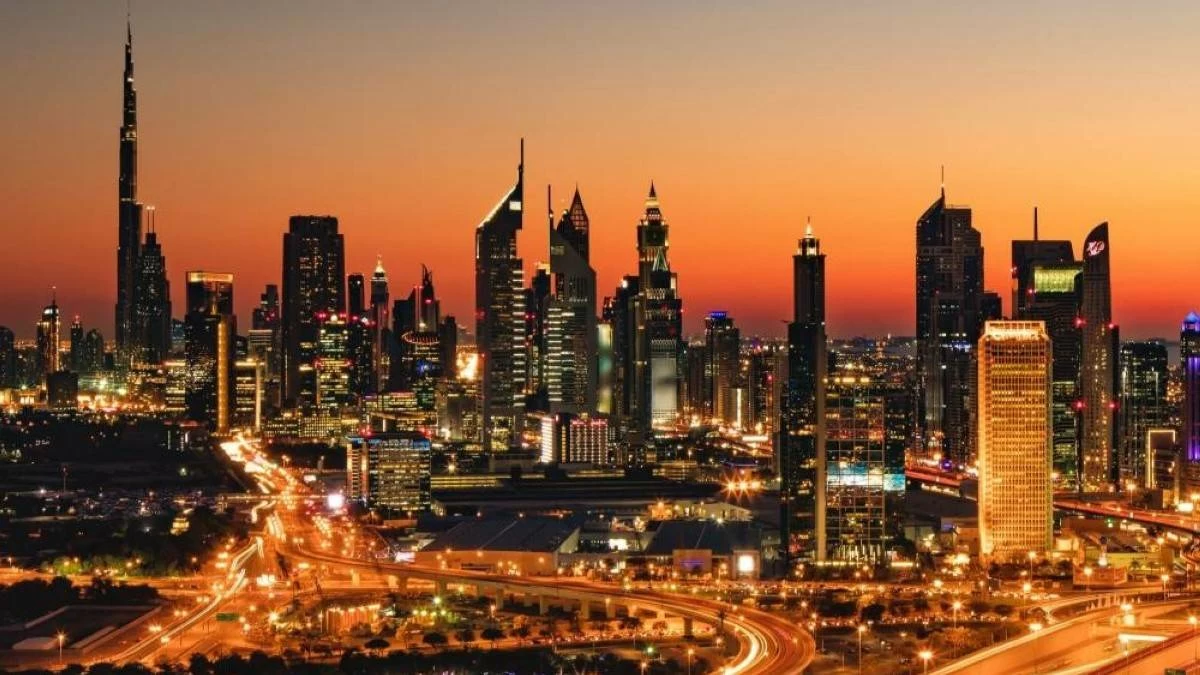
Dubai: Dubai has risen to become the world’s number one location for FinTech as ranked by industry professionals in the latest Global Financial Centres Index (GFCI). A testament to its resilience, the emirate retains its position as the only financial centre in the Middle East, Africa and South Asia region within the global top ten. In addition to its FinTech leadership driven by Dubai International Financial Centre’s vision to drive the future of finance, Dubai climbed to second place globally for Professional Services. Reflecting the continued trust and confidence in the emirate and DIFC, Dubai’s global reputation ranking advanced to sixth. Dubai also maintained the number one spot for future potential, a category in which the emirate has now led for four consecutive GFCI reports. The latest GFCI report, compiled by the London-based consultancy Z/Yen in collaboration with the China Development Institute, collected 39,531 assessments from industry professionals worldwide who responded to the GFCI online questionnaire. The index combines these assessments with 143 instrumental factors. Essa Kazim, Governor of DIFC, said: "The GFCI results reinforce Dubai's position as a world leading financial centres and underscore the success of the vision set by our leadership through the Dubai Economic Agenda D33. DIFC has played a pivotal role in advancing Dubai's global competitiveness by attracting leading financial institutions, talent and innovation from around the world, while providing the regulatory, legal and business environment required for sustainable growth. As Dubai strengthens its position at the heart of the global financial system, DIFC will continue to support the emirate's ambitions and reinforce its standing among the world's most influential financial centres." Arif Amiri, Chief Executive Officer of DIFC Authority, said: "Dubai's position in the GFCI is underpinned by the strength and scale of DIFC, and validated by the assessments of financial services professionals worldwide. As the largest ecosystem of regulated financial firms in the Middle East, Africa and South Asia region, and the only financial centre in the region operating at scale across banking, capital markets, wealth and asset management, insurance and FinTech, DIFC provides a unique platform for innovation, growth and collaboration. This depth and diversity enable us to continue developing the financial services industry, accelerating the adoption of emerging technologies and helping shape the future of the global financial landscape."

MBMobile BusinessWAM16 Sept

World: Global Weather Hazards Summary, September 17, 2026 – September 23, 2026

Country: World Source: Famine Early Warning System Network Please refer to the attached file. El Niño is strengthening. Abnormal heat continues to threaten parts of northern and eastern Africa, Hispaniola, Central America, and northern South America. Drought is expanding in parts of Central America. South Africa sees flooding. Global Weather Hazards The Global Weather Hazards report anticipates severe weather or climate events in Africa; Latin America and the Caribbean; and the Middle East and Asia. This product provides maps with current weather and climate information; short and medium range weather forecasts (up to one week); and the potential impact on crop and pasture conditions. It does not reflect long range forecasts or food security conditions.

ReliefWebReliefWebFamine Early Warning System Network16 Sept