South Koreapage 5

Place · 560 articles
Share

Coverage, page 5

page 5 of 28

Malaysia Airlines deepens strategic tourism partnerships across Asia-Pacific to drive travel demand

Malaysia Airlines is deepening its tourism partnerships across Asia-Pacific, reinforcing its role as a catalyst for connectivity and tourism growth. Through partnerships with tourism boards and destination marketing organisations across Thailand, Indonesia, the Philippines, Taiwan, Singapore, South Korea, Australia, New Zealand and Malaysia, the airline will support joint marketing and promotional initiatives to stimulate travel demand, enhance connectivity and encourage more travellers to explore the region.

Breaking Travel NewsBreaking Travel News12 Sept

Here's When iPhone 18 Pro Pre-Orders Begin in Every Time Zone

Pre-orders for the iPhone 18 Pro and ‌iPhone 18 Pro‌ Max are set to begin on Saturday, September 12, at 5:00 a.m. Pacific Time, with the new devices set to become available for pre-order in numerous countries around the world simultaneously. We've compiled pre-order times for various countries to help MacRumors readers be among the first to order. This list isn't exhaustive, so please verify the exact time for your specific location. Australia West - 8:00 p.m. AWST Australia East - 10:00 p.m. AEST Austria - 2:00 p.m. CEST Belgium - 2:00 p.m. CEST Canada West - 5:00 a.m. PDT Canada East - 8:00 a.m. EDT China - 8:00 p.m. CST Denmark - 2:00 p.m. CEST Finland - 3:00 p.m. EEST France - 2:00 p.m. CEST Germany - 2:00 p.m. CEST Guernsey - 1:00 p.m. BST Hong Kong - 8:00 p.m. HKT Ireland - 1:00 p.m. IST Isle of Man - 1:00 p.m. BST Italy - 2:00 p.m. CEST Japan - 9:00 p.m. JST Jersey - 1:00 p.m. BST Luxembourg - 2:00 p.m. CEST Netherlands - 2:00 p.m. CEST New Zealand - midnight NZST next day Norway - 2:00 p.m. CEST Portugal - 1:00 p.m. WEST Puerto Rico - 8:00 a.m. AST Saudi Arabia - 3:00 p.m. AST Singapore - 8:00 p.m. SGT South Korea – 9:00 p.m. KST Spain - 2:00 p.m. CEST Sweden - 2:00 p.m. CEST Switzerland - 2:00 p.m. CEST Taiwan - 8:00 p.m. CST UAE - 4:00 p.m GST United Kingdom - 1:00 p.m. BST United States West - 5:00 a.m. PDT United States Mountain - 6:00 a.m. MDT United States Central - 7:00 a.m. CDT United States East - 8:00 a.m. EDT US Virgin Islands - 8:00 a.m. AST Customers can prepare for the iPhone 18 Pro launch using the "Get Ready" pre-order setup until 9:00 p.m. Pacific Time on Friday night. This process allows you to select your iPhone model, confirm your carrier, and enter payment and shipping details in advance. For those wanting a device on launch day, immediate pre-ordering is recommended. Supply availability is uncertain, and popular models or colors may sell out within minutes or hours. The iPhone 18 Pro starts at $1,199, while the iPhone 18 Pro Max begins at $1,299. U.S. carriers are offering various discounts, while Apple offers the new Apple Upgrade program and trade-in options to reduce costs. Pre-orders open on September 12. The first iPhone 18 Pro and iPhone 18 Pro Max orders will be delivered to customers on Friday, September 18. Related Roundup: iPhone 18 Pro Buyer's Guide: iPhone 18 Pro (Coming Soon) Related Forum: iPhone This article, " Here's When iPhone 18 Pro Pre-Orders Begin in Every Time Zone " first appeared on MacRumors.com Discuss this article in our forums

MacRumorsMacRumorsEric Slivka11 Sept

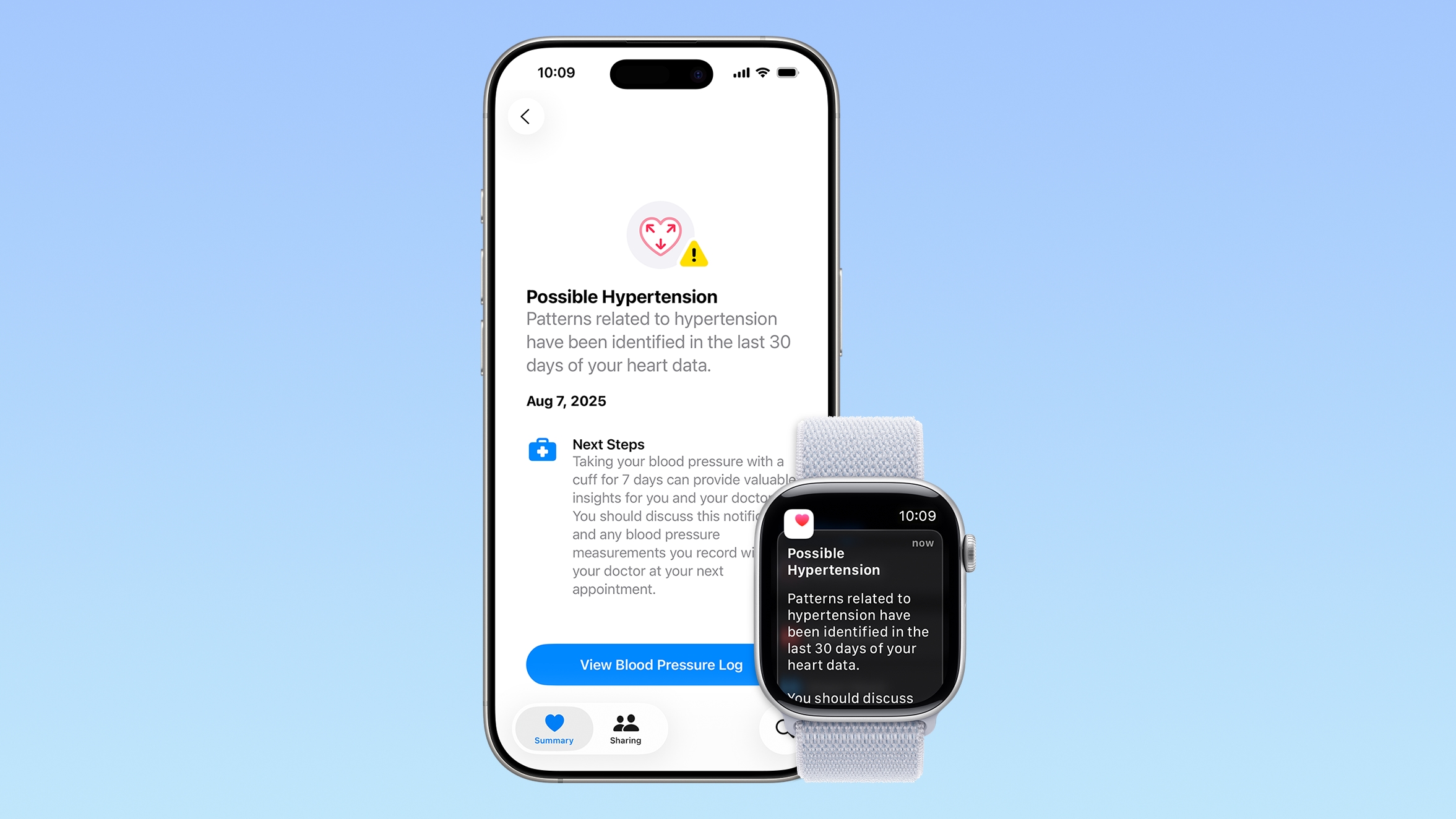
Upgrading to Apple Watch Series 12 Could Cost You Hypertension Notifications

Some Apple Watch users who upgrade to the Series 12 or the Ultra 4 might temporarily lose access to hypertension notifications. On the watchOS feature availability page , Apple says notifications might not be available on the Series 12 or Ultra 4 at launch because regulatory clearances are in process. Hypertension Notifications may not be available on Apple Watch Series 12 or Ultra 4 in your region, as additional regulatory clearances for these devices are in process. The warning applies to 33 countries and regions, including Canada, Australia, India, Brazil, Singapore, Japan, Taiwan, South Africa, South Korea, and the UAE, with a full list on Apple's website. The Apple Watch Series 12 and Apple Watch Ultra 4 have revamped sensors and a new Health Sensing System. Apple added new optical and electrical heart sensors for more frequent and accurate tracking, and the change appears to require new regulatory approval in some locations. What's new: ECG - The electrodes in the watch cover more surface area for improved skin contact during ECG readings. Optical sensing - Redesigned photodiodes are organized in a ring to capture light more efficiently. Heart rate measurement - Larger, power-efficient green LEDs in the optical heart rate sensor allow the new watches to measure heart rate every five seconds all day, offering more data on a user's fitness and physiological state. Real-time heart rate is available in the updated Heart Rate app, and Exercise and Move Activity rings are more accurate. HRV is also measured as often as every five minutes. Apple Watch users who get these notifications today may lose the option when upgrading to the Series 12 or Ultra 4 until regulatory clearance is granted. Countries not on Apple's list with a footnote will continue to get notifications as usual. This includes the United States, UK, and all EU countries. Related Roundups: Apple Watch 11 , watchOS 26 , watchOS 27 Buyer's Guide: Apple Watch (Buy Now) Related Forum: Apple Watch This article, " Upgrading to Apple Watch Series 12 Could Cost You Hypertension Notifications " first appeared on MacRumors.com Discuss this article in our forums

MacRumorsMacRumorsJuli Clover10 Sept

IEA: Global Coal Demand Set to Hit Record High as Iran War Chokes LNG Supply

Soaring LNG prices due to the Strait of Hormuz blockage are prompting economies to shift to alternative energy sources, pushing coal demand to a another record high this year, the International Energy Agency (IEA) said in a new report on Thursday. The surge in LNG prices have pushed markets including China, India, Japan, South Korea, and even Europe, to rely more on coal-fired capacity for electricity generation, the IEA said in its new Coal Mid-Year Update 2026. The Middle East is not a major exporter of coal, so global coal shipments weren’t…

OilPrice.comOilPrice.comCharles Kennedy10 Sept

Samsung taps Mistral AI models for semiconductor manufacturing

Samsung has partnered with Mistral AI to deploy on-premises models across its semiconductor manufacturing and engineering operations. The agreement was announced during the bilateral state summit held in Paris between South Korea and France. Samsung will integrate Mistral’s software suite – including its flagship Mistral Large model – into internal semiconductor facilities to build customised […]

AI NewsAI NewsRyan Daws9 Sept

South Korea: Systemic Gender, Age Discrimination at Work

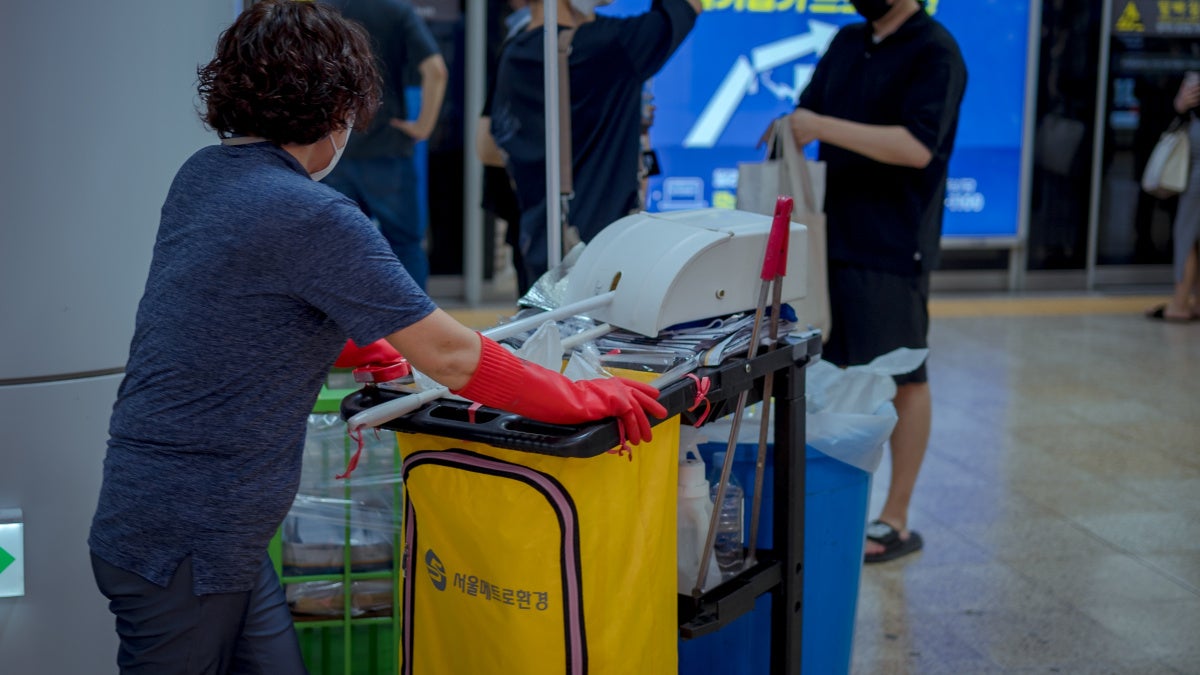
Click to expand Image Cleaner at work in a Seoul metro station, Seoul, South Korea. © 2022 Shutterstock (Seoul) – Women in South Korea face systemic gender discrimination at every stage of their working lives, Human Rights Watch said in a report released today. These adverse impacts accumulate as women get older, and are compounded by systemic age discrimination, resulting in harm to their physical and mental health. The 92-page report, “Too Old and a Woman: Systemic Age and Gender Discrimination Against Women at Work in South Korea,” documents that social attitudes toward education, unfair treatment in hiring, disrupted careers due to family responsibilities, limited promotion opportunities, glass ceilings, and sexual harassment create a disadvantage for South Korean women throughout their working lives. As women get older, their work opportunities narrow to a handful of low-paid, insecure jobs, and the gender pay gap increases. By the time they are eligible for pensions, women face a significant gender pension gap. September 8, 2026 Too Old and A Woman Systemic Age and Gender Discrimination Against Women at Work in South Korea Download the full report in English “South Korean women spend their entire working lives in a system stacked against them, which becomes harder as they get older,” said Bridget Sleap, senior researcher on the rights of older people at Human Rights Watch. “The government should take steps to ensure women’s equality at work and equal access to adequate pensions.” Between February and November 2025, Human Rights Watch interviewed 41 South Korean women, ages 28 to 87, working in the public and private sectors. In addition, Human Rights Watch consulted 59 experts, including researchers, academics, and trade union workers, analyzed government data, and reviewed national legislation and reports by government, research, and international institutions. The older women get, the fewer work opportunities they have, and the worse their working conditions become, Human Rights Watch found. In her 20s, Yang Myung-ju, 55, assessed claims at an insurance company. When she went back to work at 41 after raising her sons, the only job she could find was part-time in a call center on a temporary contract with no sick pay. “When I tried to go back to work in a large company, the positions had already gone to younger workers and there was no spot for middle-aged women,” she said. “Only the call center had no age limit.” Click to expand Image Graphic © 2026 Human Rights Watch Government efforts to support women to return to work contribute to women’s occupational segregation. The Employment and Labor Ministry promotes jobs for women in their 30s to 50s on Work24, its employment website, that reinforce gender stereotypes, revolving predominantly around beauty, care work, education, and relationship support. The Labor Ministry promotes an even more limited range of low-paid, precarious jobs to older people. Sixty percent of jobs on Work24 tagged for those aged 50 or older were in-home caregiving jobs, and 90 percent fell under just five categories: health care, care and support; cleaning services; building security and management; and food service. The majority of applicants for lower paid care worker, building cleaner, kitchen assistant, cook, and social service roles are older women. The work available to older women can cause significant harm to their physical and mental health, Human Rights Watch found. Older women care workers face disproportionate risk of exposure to sexual harassment, inappropriate sexual behavior, and abuse. The intense physical workloads of school cooks, cleaners, care workers and those working on the street take their toll. As women get older, they face ageism—stereotypes, prejudice, and discrimination based on older age—as well as sexism. “Nobody likes older women at work,” said C. Eun-jung, a 55-year-old transport worker. She said that younger male colleagues called older women “kkul ajumma,” honey auntie. “It’s very mocking,” she said, “and has negative connotations, that [older] women take the benefits that men should have, like sucking honey.” Regulations governing the National Old Age Pension compound women’s low pensions which are on average 47 percent lower than men’s. Women are more likely than men to get a reduced pension because they have not contributed for the 20 or more years necessary to qualify for a full one. The design of the “childbirth credit” also creates a disadvantage for women. Because the benefit is paid at pension eligibility age and generally allocated to the higher earning parent, only 3 percent of childbirth credit recipients in 2025 were women, despite women being the overwhelming majority of their children’s primary caregivers. Click to expand Image Graphic © 2026 Human Rights Watch Jung Kyong-sook, 55, went back to work in her mid-40s and will be eligible for the National Old Age Pension when she is 65, but expects to get a pension below the monthly poverty line of KRW1.2 million (US$791). “The pension is so little,” she said. “I assume I'll get KRW500,000 to KRW600,000 ($349 to $419) per month. That's why we need to work until 70.” Human Rights Watch contacted the Ministries of Employment and Labor, Gender Equality and Family, Health and Welfare, and the National Pension Service in May for comment on its findings but has not received any responses. Human Rights Watch’s findings are consistent with government data documenting persistent gender and age inequalities in employment and pension income. South Korea is obligated under international human rights law to ensure that everyone can enjoy their rights to nondiscrimination, work, and social security, regardless of age and gender. The South Korean government should address harmful age and gender stereotypes, remove gender and age biases from its employment support programs, adopt a comprehensive antidiscrimination law, and ensure equal access to pensions of at least equivalent to a living wage. “Systemic discrimination at work is causing South Korean women significant harm,” Sleap said. “The South Korean government needs to dismantle harmful gender and age stereotypes so that younger and older women alike will not be trapped in a system of ever-decreasing pay, increasing occupational segregation, and inadequate income in older age with little hope of improvement.”

Human Rights WatchHuman Rights WatchHuman Rights Watch8 Sept