Samsung Electronics

Organization · 226 articles
Share

Coverage tone, last 7 days

12 articles from 9 sources. Only labels with confidence ≥ 0.6 are counted; quotes are the evidence.

17% favorable (2)58% neutral (7)25% critical (3)

By day

4017 Sept: 1 favorable, 1 neutral, 0 critical17 Sept18 Sept: 0 favorable, 0 neutral, 1 critical18 Sept19 Sept: 0 favorable, 0 neutral, 0 critical19 Sept20 Sept: 0 favorable, 1 neutral, 0 critical20 Sept21 Sept: 1 favorable, 2 neutral, 1 critical21 Sept22 Sept: 0 favorable, 1 neutral, 0 critical22 Sept23 Sept: 0 favorable, 0 neutral, 1 critical23 Sept

By outlet

9to5Google9to5Google4 articles

Favorable framing

Critical framing

All coverage

page 1 of 12

Xiaomi’s new 18 Pro phones improve on Samsung’s privacy display

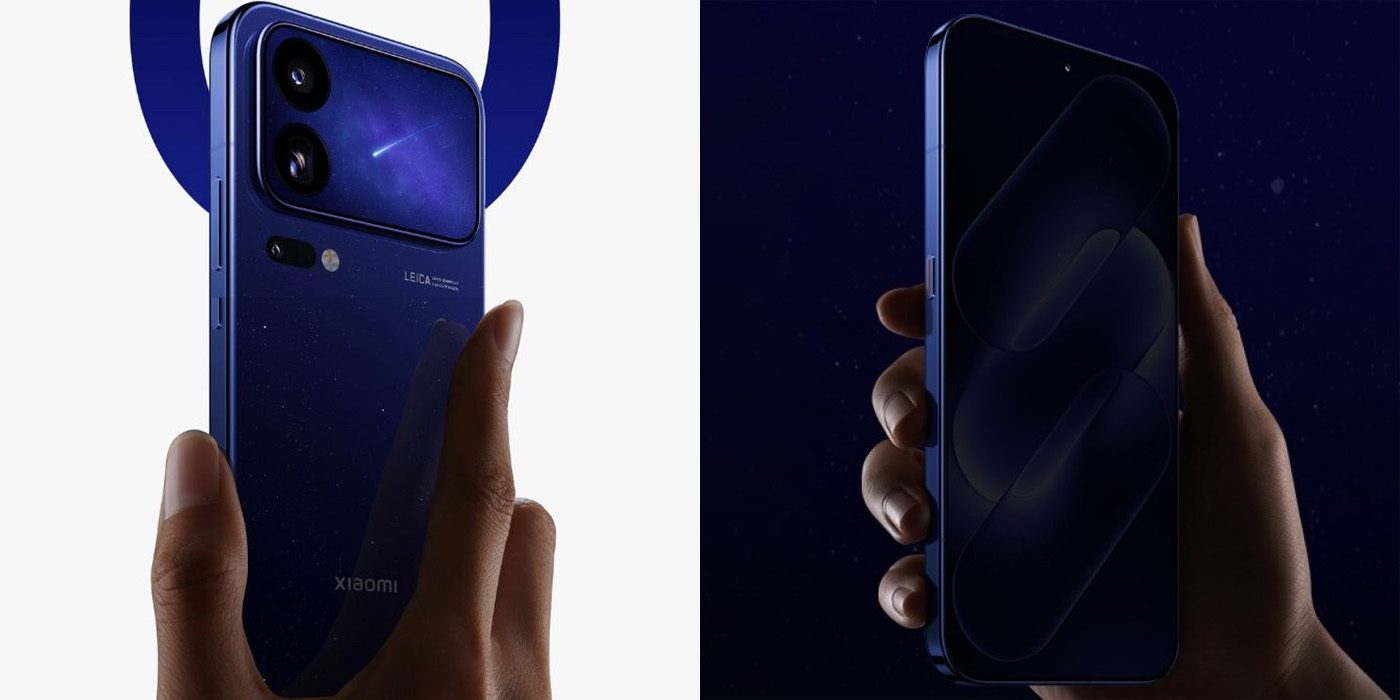
Xiaomi's new 18 Pro and 18 Pro Max launched in China today, and feature a more flexible take on the privacy display tech introduced this year on Samsung's Galaxy S26 Ultra. They combine it with returning rear screens, two 200-megapixel cameras, and both of Qualcomm's new Snapdragon 8 Elite Gen 6 chips. A global launch […]

The VergeThe VergeDominic Preston1h ago
  • critical toward Samsung Electronics · 78%

Apple Planning to Bring iPhone Duo Display Tech to Pro in 2029

Apple's 2029 "Pro" iPhones could adopt thinner and more power-efficient OLED screens, according to UBI Research . The technology, known as Color Filter on Encapsulation (CoE), removes the conventional polarizer from the ‌OLED‌ panel and places a color filter directly on top of its encapsulation layer. A polarizer helps suppress reflections from ambient light, but it also absorbs a significant portion of the light produced by the display. Removing the polarizer allows more light to pass through, potentially enabling a display to reach greater brightness without consuming additional power, or use less power while maintaining the same brightness. Eliminating the separate layer can also make the display assembly thinner, freeing up internal space for components such as the battery, cameras, and more. Samsung first commercialized the technology, which it branded Eco² ‌OLED‌, with the Galaxy Z Fold3. According to Samsung's internal testing , its original implementation improved light transmission by 33% and reduced power consumption by up to 25% compared with an ‌OLED‌ panel using a traditional polarizer. CoE technology presents some technical challenges. Without a polarizer, manufacturers have to control external reflections through a combination of color filters, black pixel-defining layers, low-reflection coatings, and other optical measures. UBI Research believes the difficulty of maintaining outdoor visibility, viewing angles, contrast, and color accuracy may explain why Apple is reportedly waiting until 2029 to bring the technology to its high-volume conventional iPhone models. Prior to the unveiling of the iPhone Duo , reports indicated that its Samsung-supplied folding ‌OLED‌ display would use CoE technology . Apple has not detailed the panel's internal construction, but UBI Research sees the foldable device as a potential first step toward using polarizer-free ‌OLED‌ displays across the iPhone "Pro" lineup. The research firm estimates that annual panel demand for the two Pro models could remain between 90 million and 100 million units, making the proposed transition significantly larger in scale than CoE's use in foldable devices. Samsung Display and LG Display are expected to lead the initial supply, while BOE could compete for orders if it can meet Apple's requirements. Related Roundup: iPhone Duo Tag: OLED Buyer's Guide: iPhone Duo (Coming Soon) Related Forum: iPhone This article, " Apple Planning to Bring iPhone Duo Display Tech to Pro in 2029 " first appeared on MacRumors.com Discuss this article in our forums

MacRumorsMacRumorsHartley Charlton22 Sept

Apple didn’t give up on stylus support for iPhone Duo; Samsung’s Galaxy Z Fold should take notes

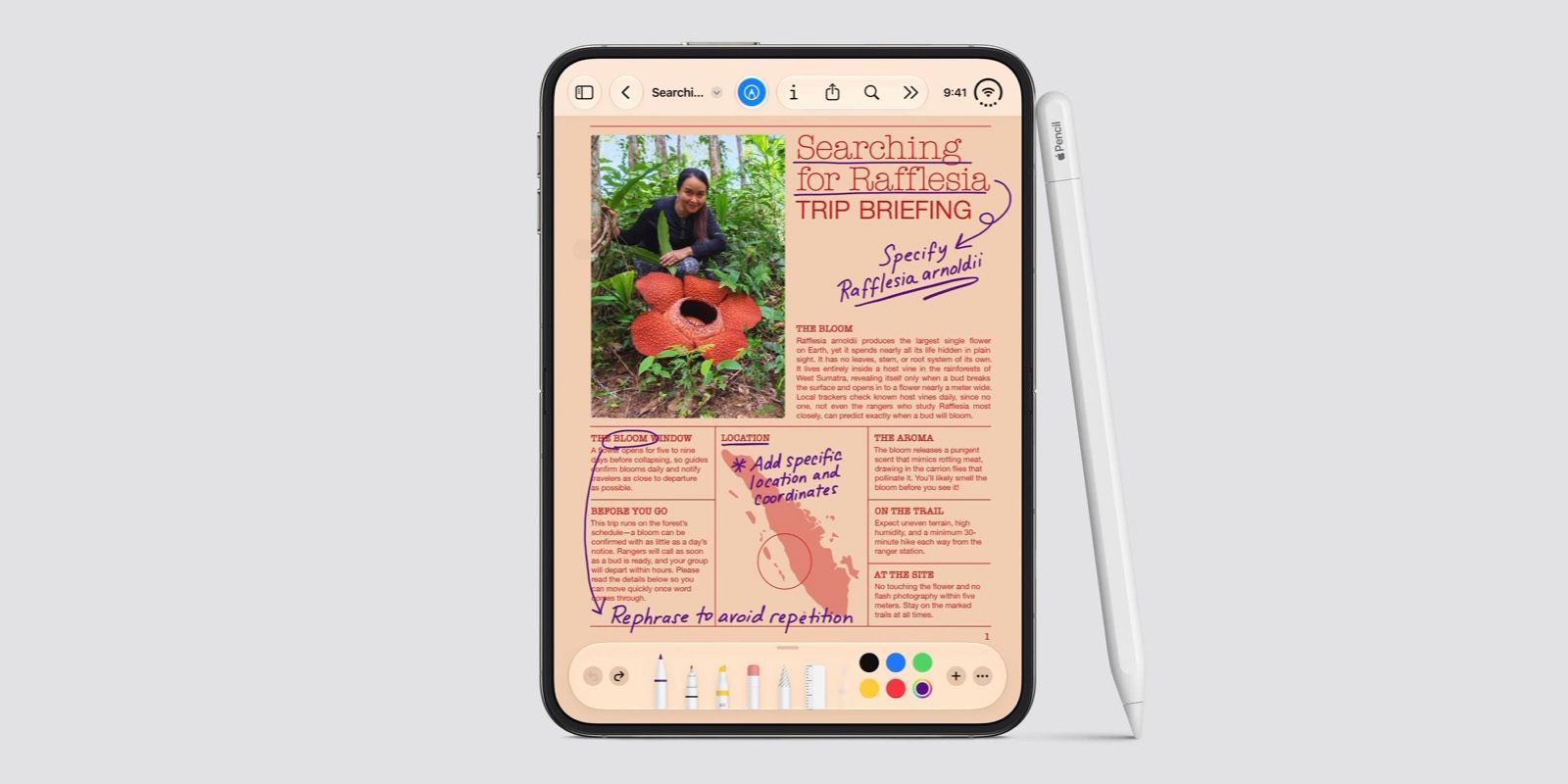
Apple’s iPhone Duo may not have reinvented the Android foldable , but it certainly did put a polish on a number of things. Inlcuded in that list is stylus support on the iPhone Duo, something that was more complicated behind-the-scenes than it initially sounded like, and an effort that Samsung should probably take note of. more…

9to5Google9to5GoogleBen Schoon21 Sept
  • favorable toward Apple · 92%
  • critical toward Samsung Electronics · 91%

Apple Reportedly Accepts Even Higher RAM and Storage Prices in 2027

Apple has agreed to pay Samsung even higher prices for RAM and storage chips starting in the first quarter of 2027, according to a DigiTimes report this week citing an earlier report from Chinese publication Jiemian News . Apple has reportedly agreed to pay nearly $2 per GB of DRAM and $0.33 per GB of NAND storage. This is a 30% to 40% increase in pricing for these chips compared to what Apple is paying in the third quarter of 2026, according to DigiTimes . It is unclear if this reported agreement will lead Apple to further raise prices on products like iPhones, iPads, and Macs, or if the company has already factored in the more expensive components in early 2027 into its current 2026 prices. AI companies have been building out massive data centers, leading to a memory chip shortage that has driven up the prices of RAM and NAND storage chips. Apple has raised prices on a wide range of products since June, with former CEO Tim Cook calling the increases "unavoidable" due to the chip shortage, which he likened to a " 100-year flood ." In June, Apple raised prices on all Macs and iPads , as well as the Apple TV, HomePod, HomePod mini, and Vision Pro, with many of the increases ranging from $100 to $300. In addition, iPhone 18 Pro starting prices are $100 higher in the U.S. compared to the iPhone 17 Pro models, and older iPhones have gone up in price too. Tag: DigiTimes This article, " Apple Reportedly Accepts Even Higher RAM and Storage Prices in 2027 " first appeared on MacRumors.com Discuss this article in our forums

MacRumorsMacRumorsJoe Rossignol17 Sept
  • neutral toward Apple · 98%