
Apple Is Opening a Music Venue Inside the Pink Floyd ‘Animals’ Power Station
Sitting alongside London's River Thames, musicians can simultaneously perform and record at Apple Music Hall
 Rolling Stone•Angie Martoccio22 Sept
- neutral toward Apple · 98%
Sitting alongside London's River Thames, musicians can simultaneously perform and record at Apple Music Hall
Rolling Stone•Angie Martoccio22 Sept
Apple is developing an all-new operating system that is essentially a mix of tvOS, watchOS, and iOS, according to Bloomberg 's Mark Gurman. In his latest Power On newsletter , Gurman reiterated that the operating system will feature a grid of app icons, widgets, and customizable clock faces. The new software platform is intended for Apple's long-rumored smart home hub . With built-in facial recognition, Gurman reported that the hub can identify who is looking at the display and show personalized information. As a user approaches the hub, or moves away from it, the size of the interface elements will automatically change. The operating system could be named homeOS, according to trademark activity from a shell company that is potentially linked to Apple. homeOS would join iOS, iPadOS, macOS, watchOS, tvOS, and visionOS. The hub will essentially combine a HomePod-like speaker with a 6-inch or 7-inch square display. Siri AI is expected to be at the core of the new operating system, and other rumored features include FaceTime video calls, HomeKit accessory management, home security monitoring, photo galleries, a calendar, music playback, and more. Some of the preinstalled Apple apps that will apparently be available on the new platform include Calendar, Camera, Apple Music, Apple Podcasts, Apple News, Reminders, Notes, and the all-new Siri app for Siri AI conversations. Finally, the platform will supposedly have multi-user support. Apple is expected to unveil the home hub as soon as October this year. Tag: homeOS This article, " Apple Will Soon Announce an All-New Operating System " first appeared on MacRumors.com Discuss this article in our forums
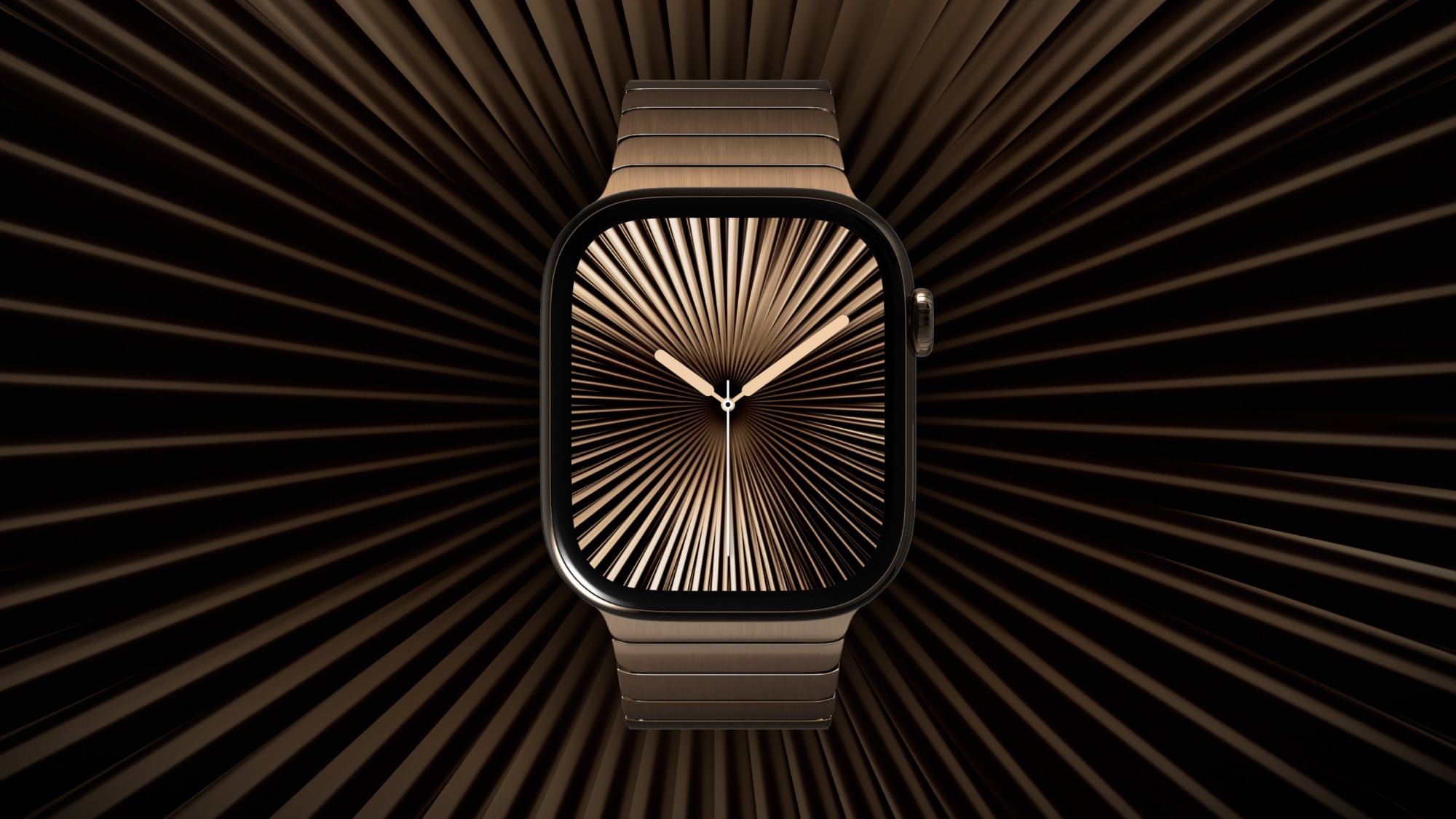
The Apple Watch Series 12 is now available, two years after the Series 10 introduced the current thinner design. But is it worth upgrading? While last year's Series 11 brought just four changes , the Series 12 is a much more substantial update, with a new chip, twice as much RAM, redesigned health sensors, exclusive health and audio features, tougher cover glass, 5G connectivity, and new case materials. The Series 12 starts at the same $399 price as the Series 10 did in 2024. Apple has now discontinued the Series 10, but remaining units may still be available from third-party retailers and on the refurbished or second-hand market. Here are all of the key hardware and feature differences between the Apple Watch Series 10 and Apple Watch Series 12: Apple Watch Series 10 Apple Watch Series 12 S10 chip (2024) S11 chip (2026) 2GB RAM 4GB RAM Electrical heart sensor Health Sensing System with second-generation electrical heart sensor Third-generation optical heart sensor Fourth-generation, always-on optical heart sensor Periodic background heart rate tracking High-frequency background heart rate tracking every five seconds Heart rate variability Recovery HRV and overall HRV, measured up to 24x more frequently Vitals app with heart rate, respiratory rate, wrist temperature, and sleep duration Vitals app with heart rate, respiratory rate, wrist temperature, sleep duration, and HRV, plus daytime vitals Readiness app with daily score and recommendation Standard step tracking Redesigned pedometer model with more accurate all-day step tracking Steps watch face complication Audio Intelligence, including Live Rewind, Siri Recap, Sound Recognition, and faster Shazam Ion-X front glass (aluminum models) Ceramic Shield 2, 60% tougher than Ion-X (aluminum models) Metal and sapphire crystal back Case-matched metal or ceramic and zirconia back Aluminum or titanium case Aluminum, titanium, or ceramic case Aluminum : Jet Black, Rose Gold, and Silver Aluminum : Dark Bronze, Light Gold, Black, and Space Gray Titanium : Slate, Gold, and Natural Titanium : Radiant Gold and Natural Ceramic : Pearl White and Night Blue Hermès : Silver titanium Hermès : Silver and Radiant Gold titanium LTE and UMTS (cellular models) LTE and 5G RedCap (cellular models) Up to 18 hours of normal use Up to 24 hours of normal use Up to 36 hours in Low Power Mode Up to 38 hours in Low Power Mode 15 minutes of charging for up to eight hours of normal use 15 minutes of charging for up to 12 hours of normal use Eight minutes of charging for up to eight hours of sleep tracking Five minutes of charging for up to 10 hours of sleep tracking Now discontinued From $399 Design and Display The Series 12 retains the same basic design introduced by the Series 10, including 42mm and 46mm size options and a 9.7mm-thick case. Nevertheless, Apple has made some subtle dimensional changes. Both sizes are now 1mm wider, and every equivalent aluminum or titanium configuration is between 2.1 and 3.3 grams heavier than its Series 10 counterpart. At the same time, the display has shrunk slightly . Resolution is unchanged, but the active display area is around 2% smaller on both sizes. The combination of a wider, receded case and smaller display produces thicker borders around the screen. Here is how the 46mm models compare: 46mm Apple Watch Series 10 Apple Watch Series 12 Dimensions 46mm x 39mm x 9.7mm 46mm x 40mm x 9.7mm Resolution 416 x 496 pixels 416 x 496 pixels Display area 1,220 sq mm 1,196 sq mm Aluminum (GPS) 36.4 grams 39.5 grams Aluminum (Cellular) 35.3 grams 38.6 grams Titanium 41.7 grams 44.9 grams The 42mm models compare as follows: 42mm Apple Watch Series 10 Apple Watch Series 12 Dimensions 42mm x 36mm x 9.7mm 42mm x 37mm x 9.7mm Resolution 374 x 446 pixels 374 x 446 pixels Display area 989 sq mm 970 sq mm Aluminum (GPS) 30 grams 32.2 grams Aluminum (Cellular) 29.3 grams 31.5 grams Titanium 34.4 grams 36.5 grams The Series 12 also marks the return of a ceramic Apple Watch for the first time since the Series 5 Edition in 2019. The ceramic models are larger and heavier than their aluminum and titanium counterparts: Ceramic 46mm 42mm Dimensions 47mm x 41mm x 9.85mm 43mm x 37mm x 9.85mm Pearl White 51.3 grams 41.7 grams Night Blue 52.9 grams 42.8 grams Is It Worth Upgrading? Two generations on, the Series 12 represents a meaningful cumulative upgrade over the Series 10, but it is far from an essential replacement. The two models share the same basic design, display brightness, resolution, storage capacity, core safety features, and more. The Series 10 is only two years old, and supports watchOS 27 and Siri AI, so it remains a capable and modern Apple Watch. For existing Series 10 owners, upgrading is easiest to justify if health and fitness tracking is a priority. The Series 12's high-frequency heart rate sensing, Recovery HRV, daytime vitals, Readiness score, and improved step tracking provide substantially more useful training and recovery data. Sound Recognition may be compelling for deaf or hard of hearing users, while 5G, faster charging, tougher cover glass on aluminum models, and the ceramic case provide additional reasons for some buyers to upgrade. Beyond this, the practical difference between the two devices is relatively small. The Series 12 is also slightly wider and heavier, and its active display area is around 2% smaller despite retaining the same resolution. Its 24-hour battery rating is also not directly comparable with the Series 10's 18-hour figure because Apple changed its testing methodology. If your Series 10 still comfortably lasts through the day and you are satisfied with its existing health features, there is no strong general-purpose reason to replace it. Which to Buy Today? At its $399 starting price, the Series 12 is the obvious choice over a Series 10 selling for anything close to its original price. The newer model offers a better health sensing system, twice as much RAM, the S11 chip, exclusive Audio Intelligence features, faster charging, 5G, and more case options. A saving of only $50 to $100 is unlikely to compensate for giving up those improvements. The Series 10 becomes attractive when it is at least around $150 cheaper than an equivalent Series 12 and is in excellent condition. It still offers an always-on display, ECG, temperature sensing, sleep apnea and hypertension notifications, advanced workout tracking, and Siri AI. Buyers should pay particular attention to battery health and warranty coverage, since replacing a degraded battery could quickly erode the saving. Related Roundup: Apple Watch 12 Buyer's Guide: Apple Watch (Buy Now) Related Forum: Apple Watch This article, " Apple Watch Series 10 vs. Series 12 Buyer's Guide: Should You Upgrade? " first appeared on MacRumors.com Discuss this article in our forums
Apple's first smart glasses could arrive in a rapidly expanding market, with worldwide AI glasses shipments increasing 263% year-over-year during the first half of 2026, according to Counterpoint Research . The figures are particularly relevant for Apple because display-less products accounted for 96% of shipments. Apple's initial smart glasses are likewise rumored to omit an augmented reality display, focusing instead on audio, cameras, Siri , and connectivity with the iPhone and Apple's wider ecosystem. Bloomberg 's Mark Gurman reports that the company is targeting a late 2027 release for the device. Apple could introduce the glasses at WWDC 2027 with an emphasis on privacy. Counterpoint said shipments of display-less AI glasses increased 258% from the first half of 2025 and 22% from the preceding six months. This category includes products such as the Ray-Ban Meta glasses, which provide photography, audio, calling, and AI features without screens. Meta currently presents Apple with a formidable incumbent. The company accounted for approximately 94% of total AI glasses shipments, while its own volume grew 260% year over year and 22% sequentially. Its expansion has been supported by additional frame styles, wider retail distribution, and new glasses priced from $299 . Display-equipped AI glasses represented only 4% of the market, although shipments in that segment increased 449% year-over-year. Apple's more advanced augmented-reality glasses are not expected until 2029 at the earliest . Counterpoint identified increasing semiconductor costs and public unease about wearable cameras as possible obstacles to continued growth. It nevertheless expects investment from Apple, Meta, Google, and Samsung to push the category toward more proactive glasses that use AI to understand their surroundings and provide assistance based on context. Tags: Counterpoint , Meta This article, " Apple's Smart Glasses to Enter a Rapidly Growing Market " first appeared on MacRumors.com Discuss this article in our forums
As usual, September has been a very busy month for Apple, with the company unveiling the iPhone 18 Pro, iPhone Duo, AirPods 5, Apple Watch Series 12, Apple Watch Ultra 4 , Beats 360 , and more. Nevertheless, Apple reportedly still has many more products to release later this year, including a new iPad mini, Apple TV, HomePod mini, iMac, and more. It seems quite likely that Apple will hold an October event this year to announce at least some of the rumored new products, while others might be introduced in press releases. Below, we have recapped what to expect from Apple next month. Apple does unveil new products in November or December sometimes, but this is less common. When The table below outlines Apple's product announcements in October over the past five years. Year Tagline Event or Press Release Dates New Products 2021 "Unleashed" Event Monday, October 18 - MacBook Pro models with M1 Pro and M1 Max chips - AirPods 3 - New HomePod mini colors - Apple Polishing Cloth 2022 "Take Note" Press Releases Tuesday, October 18 - iPad Pro with M2 chip - iPad 10 - Apple TV 4K (3rd generation) 2023 "Scary Fast" Event Monday, October 30 - MacBook Pro models with M3, M3 Pro, and M3 Max chips - 24" iMac with M3 chip 2024 — Press Release Tuesday, October 15 - iPad mini with A17 Pro chip 2024 "Mac Your Calendars" Press Releases Monday, October 28 to Wednesday, October 30 - 24" iMac with M4 chip - Mac mini with M4 and M4 Pro chips - MacBook Pro models with M4, M4 Pro, and M4 Max chips 2025 "Something Powerful is Coming" Press Releases Wednesday, October 15 - 14" MacBook Pro with M5 chip - iPad Pro with M5 chip - Vision Pro with M5 chip What The following products are rumored to launch before the end of 2026: iPad mini: A19 Pro or A20 Pro chip , an OLED display , a new speaker system without holes , and a water-resistant design . 24" iMac: M6 chip and new color options . 14" MacBook Pro: A new base model MacBook Pro with an M6 chip . 14" and 16" MacBook Pro models with OLED displays: A major MacBook Pro redesign in late 2026 with M5 Pro and M5 Max chips , an OLED display, a touch screen, a Dynamic Island, and a thinner design. Apple TV: At least five new features , including an A17 Pro chip or newer, an increased 8GB of RAM for Apple Intelligence, Siri AI support, an Apple-designed N1 chip with Wi-Fi 7 support, and an updated Siri Remote. The new Apple TV will apparently look similar to the existing model, so do not expect any major design changes. HomePod mini: Newer chip with Siri AI support, improved sound quality, Apple's N1 chip with Wi-Fi 7 support, a second-generation Ultra Wideband chip, and potentially new color options like red . The new HomePod mini will apparently look similar to the existing model, so do not expect any major design changes. Home Hub: An all-new Apple smart home hub featuring Siri AI, a 6-inch to 7-inch square display, an A18 chip or newer for Apple Intelligence, FaceTime, and more. A new operating system will feature clock faces, widgets, and more. There will be a tabletop version with a speaker base and a wall-mounted version. Tag: Apple Event This article, " Apple Event This October? These 7 New Products Expected Next Month " first appeared on MacRumors.com Discuss this article in our forums
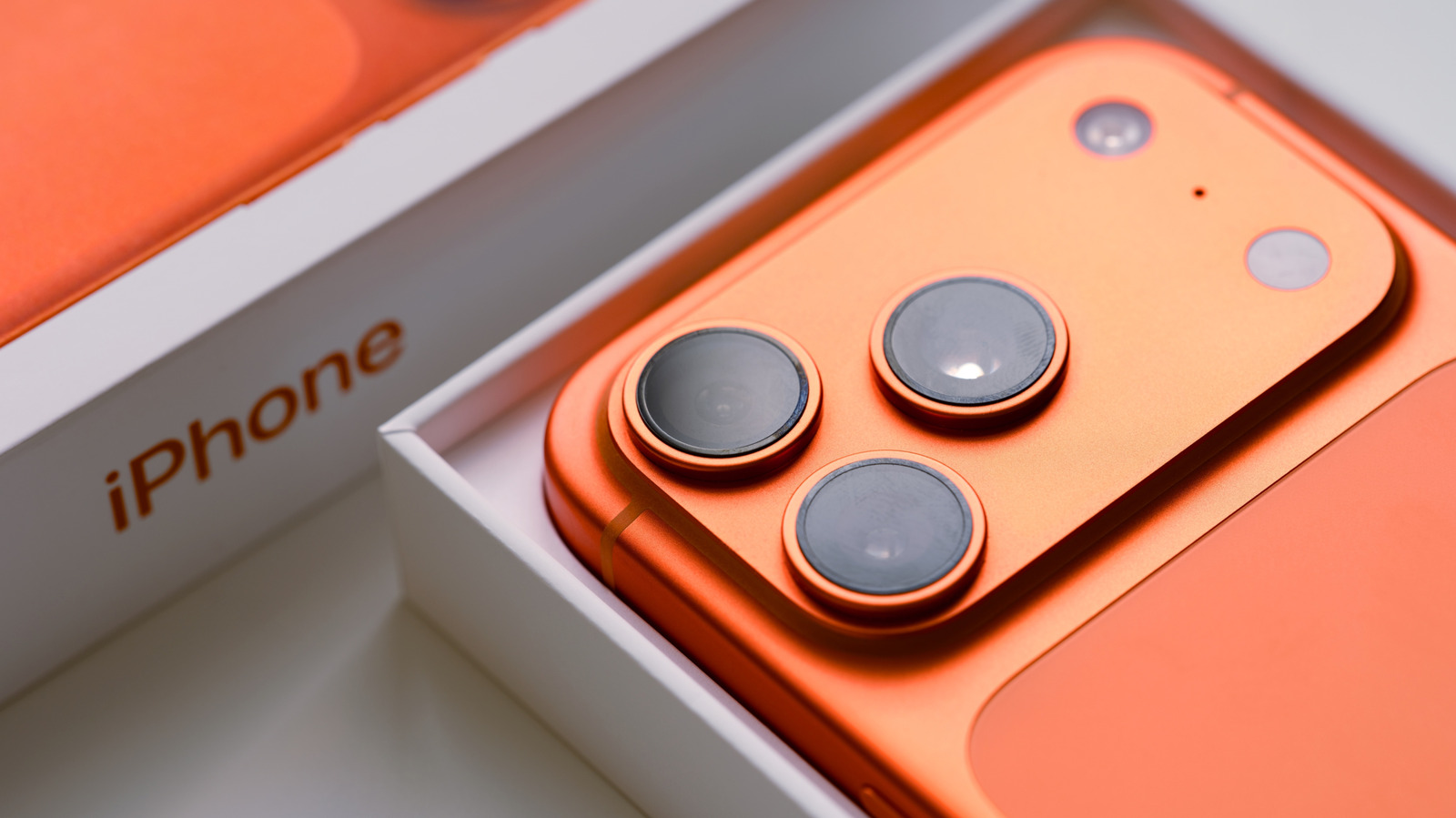
The iPhone 18 Pro offers Apple's latest and greatest, but it's only a meaningful upgrade if you're coming from a model that's several years old.
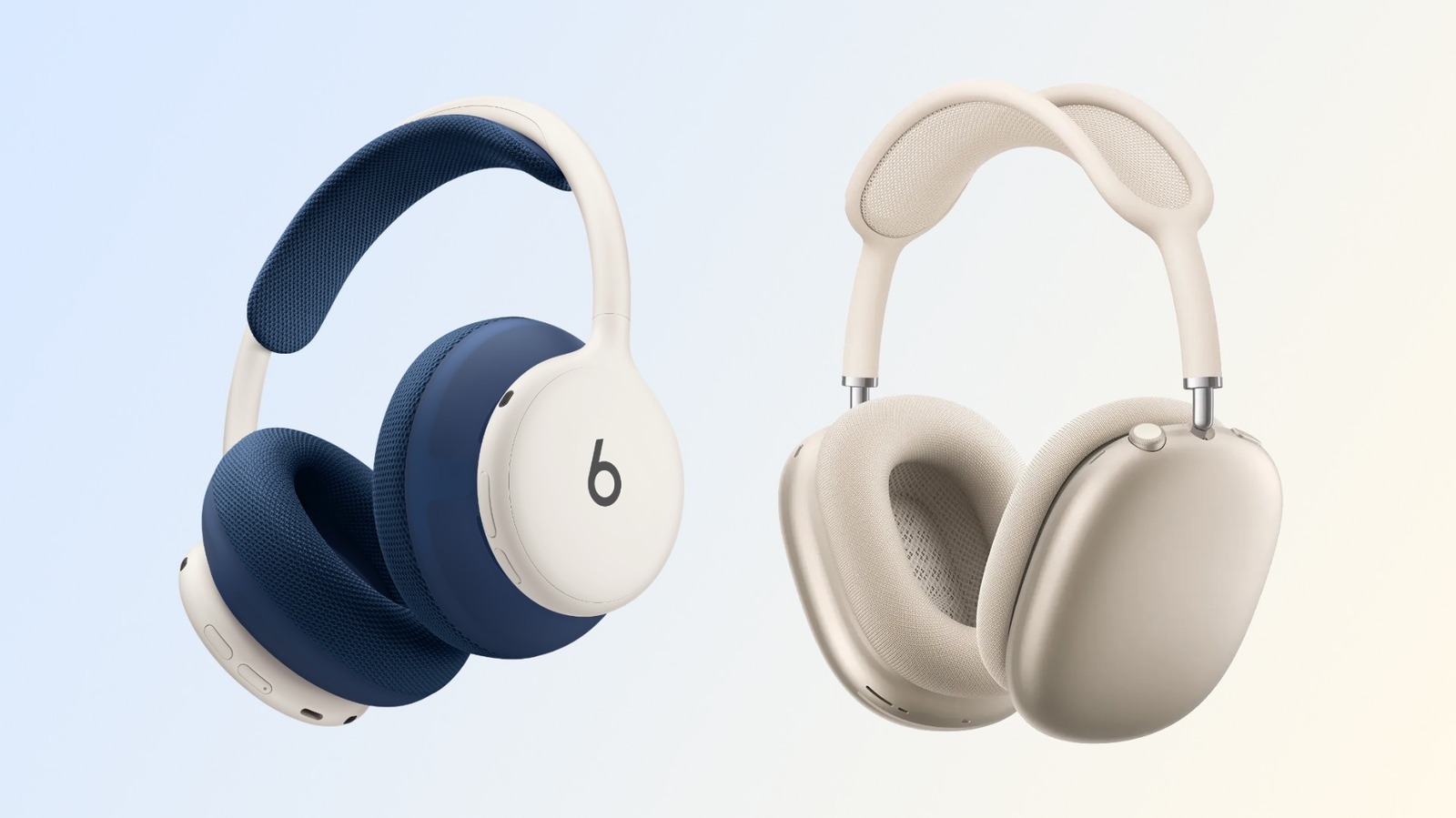
We compare the new Beats 360 with the AirPods Max 2. Find out how they stack up in design, comfort and features to see which pair is right for you.
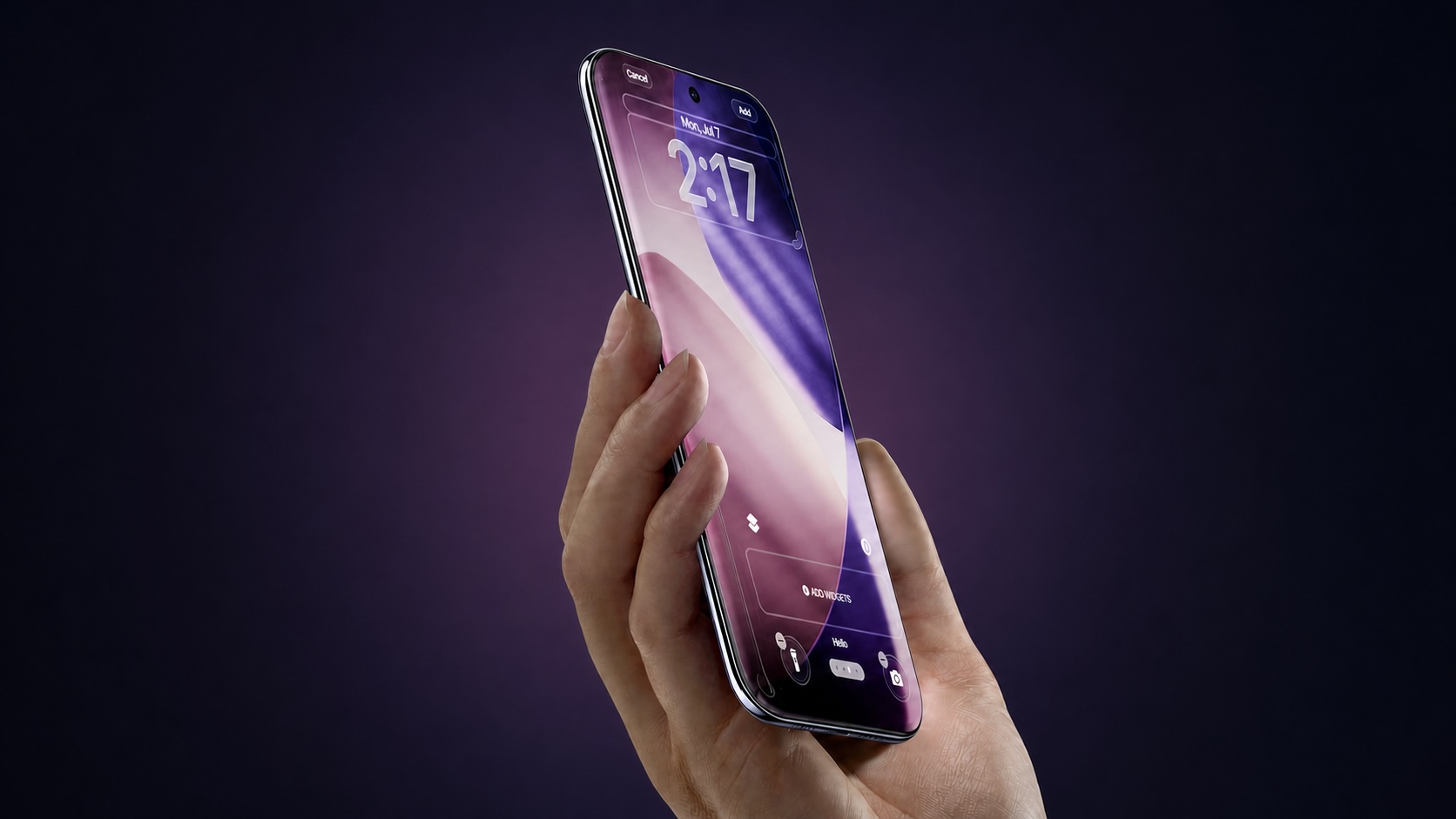
Apple's 2029 "Pro" iPhones could adopt thinner and more power-efficient OLED screens, according to UBI Research . The technology, known as Color Filter on Encapsulation (CoE), removes the conventional polarizer from the OLED panel and places a color filter directly on top of its encapsulation layer. A polarizer helps suppress reflections from ambient light, but it also absorbs a significant portion of the light produced by the display. Removing the polarizer allows more light to pass through, potentially enabling a display to reach greater brightness without consuming additional power, or use less power while maintaining the same brightness. Eliminating the separate layer can also make the display assembly thinner, freeing up internal space for components such as the battery, cameras, and more. Samsung first commercialized the technology, which it branded Eco² OLED, with the Galaxy Z Fold3. According to Samsung's internal testing , its original implementation improved light transmission by 33% and reduced power consumption by up to 25% compared with an OLED panel using a traditional polarizer. CoE technology presents some technical challenges. Without a polarizer, manufacturers have to control external reflections through a combination of color filters, black pixel-defining layers, low-reflection coatings, and other optical measures. UBI Research believes the difficulty of maintaining outdoor visibility, viewing angles, contrast, and color accuracy may explain why Apple is reportedly waiting until 2029 to bring the technology to its high-volume conventional iPhone models. Prior to the unveiling of the iPhone Duo , reports indicated that its Samsung-supplied folding OLED display would use CoE technology . Apple has not detailed the panel's internal construction, but UBI Research sees the foldable device as a potential first step toward using polarizer-free OLED displays across the iPhone "Pro" lineup. The research firm estimates that annual panel demand for the two Pro models could remain between 90 million and 100 million units, making the proposed transition significantly larger in scale than CoE's use in foldable devices. Samsung Display and LG Display are expected to lead the initial supply, while BOE could compete for orders if it can meet Apple's requirements. Related Roundup: iPhone Duo Tag: OLED Buyer's Guide: iPhone Duo (Coming Soon) Related Forum: iPhone This article, " Apple Planning to Bring iPhone Duo Display Tech to Pro in 2029 " first appeared on MacRumors.com Discuss this article in our forums

Apple has opened Apple Music Hall, a new live music venue in Battersea Power Station, London.
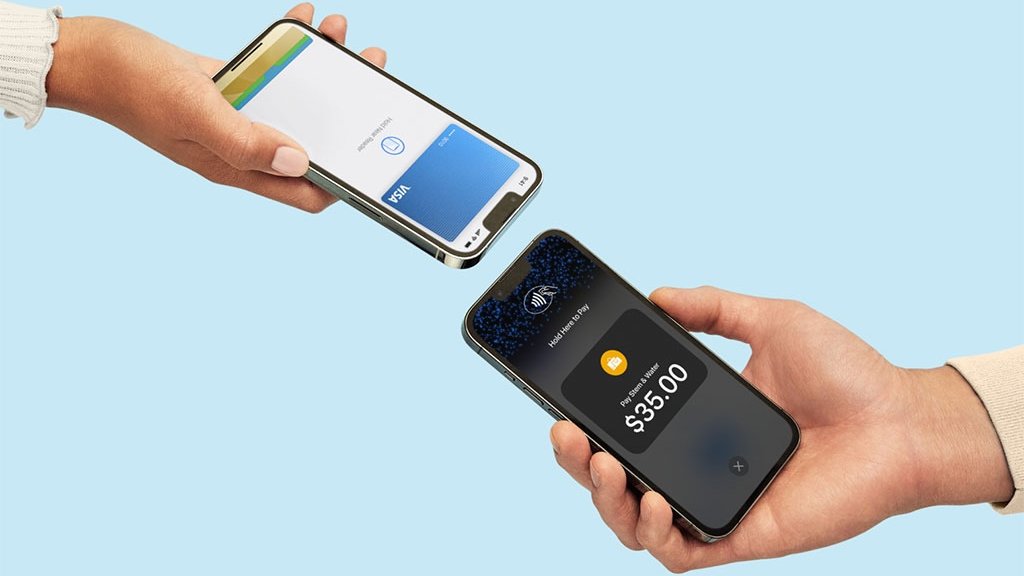
Apple today announced that Tap to Pay on iPhone is now available in eight more countries: Argentina, Colombia, Costa Rica, the Dominican Republic, Guatemala, Honduras, Panama, and Peru. Tap to Pay on iPhone allows businesses to accept contactless payments on an iPhone, with no point-of-sale hardware required. Instead, customers can simply tap their own iPhone or Apple Watch, credit card or debit card, or other contactless payment option on the merchant's iPhone. Tag: Tap to Pay on iPhone This article, " Apple Announces 'Tap to Pay on iPhone' Availability in 8 More Countries " first appeared on MacRumors.com Discuss this article in our forums
Analysts have urged iPhone users to update their IOS after malware was discovered in malicious Safari browser links and the FOMO app.
 Protos•Jacob Lyon22 Sept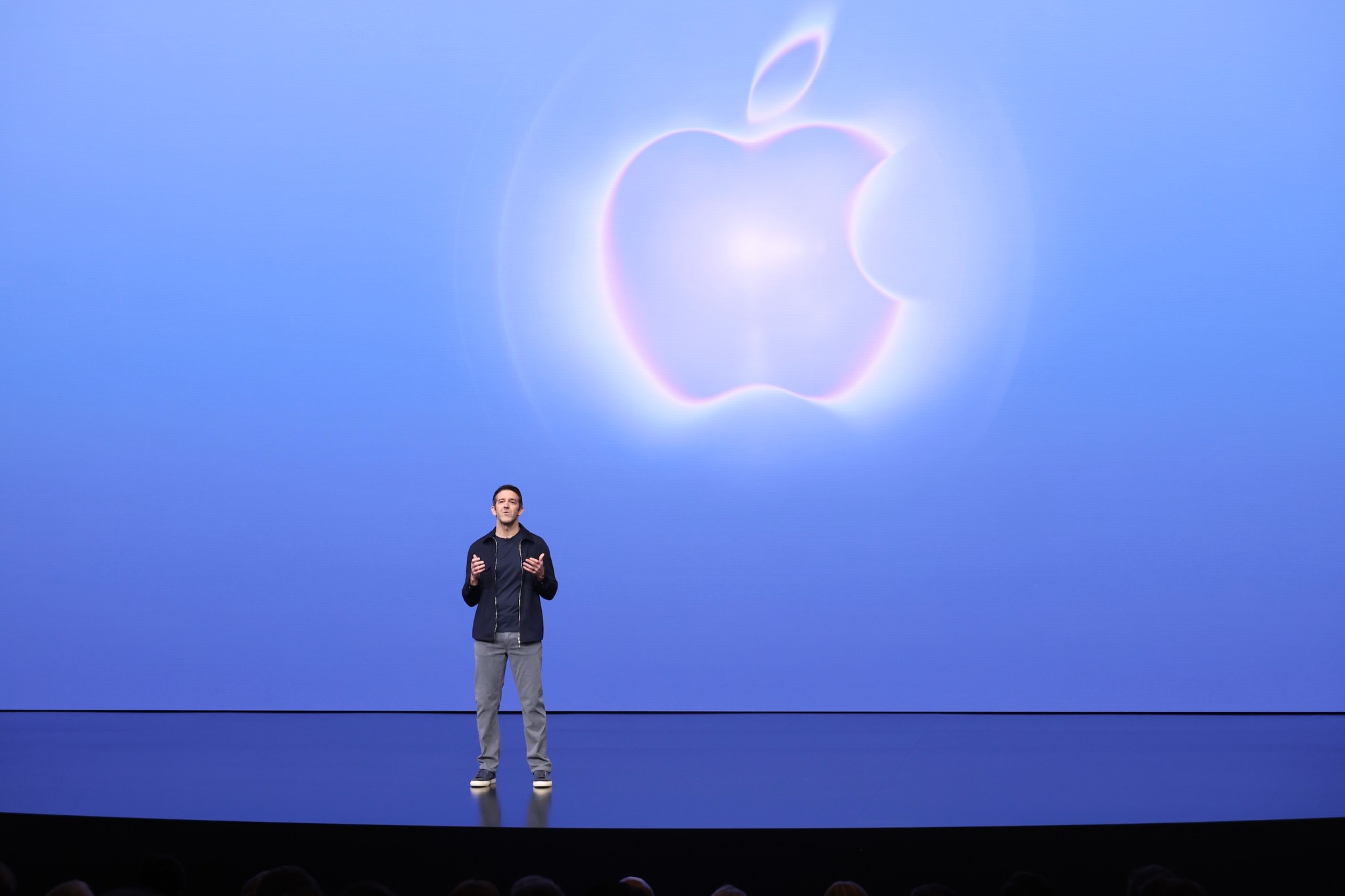
Apple’s financial evolution reveals the foundation CEO John Ternus inherits as he begins the company’s next chapter.

Early Prime Day deals are already live on fitness trackers. Save on Garmin, Fitbit, Apple, and more ahead of the sale.
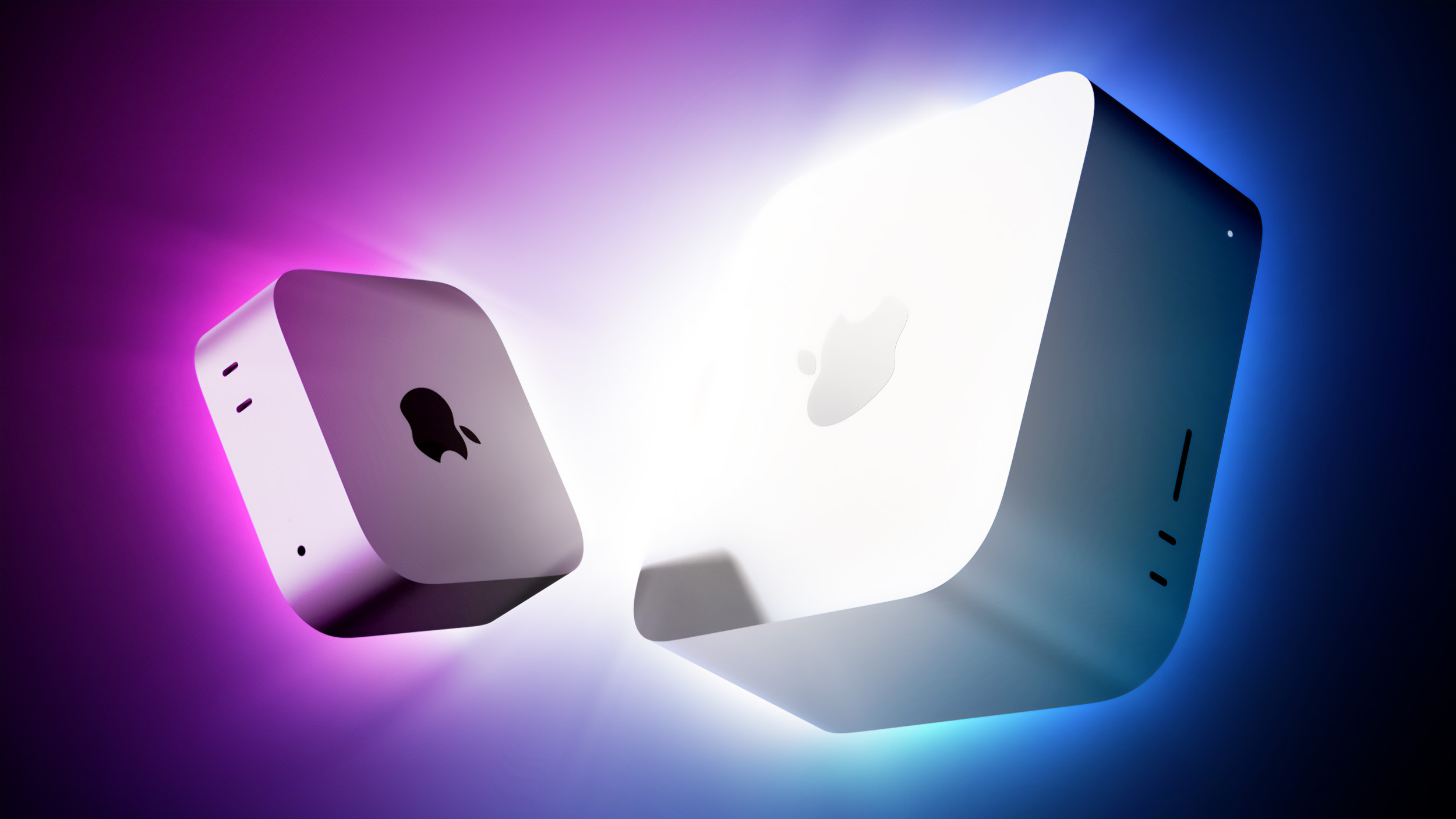
Apple launches its new Mac mini and Mac Studio models today in 30 countries and regions, including the U.S, and same-day pickup is now available at many Apple Store locations. To order a product with Apple Store pickup, add the product to your bag on Apple.com, proceed to checkout, select the "I'll pick it up" option, enter your ZIP code, choose an available Apple Store location, and select a pickup date. Payment is completed online, and a valid government-issued photo ID and the order number may be required upon pickup. Same-day Apple Store pickup is not available for custom Mac configurations with upgraded specifications ordered through Apple's online store. Mac mini with M6 starts at $899 ($799 for eligible education customers), while Mac mini with M5 Pro starts at $1,699 ($1,599 for eduction). Mac Studio with M5 Max starts at $2,499 ($2,299 for eduction), and Mac Studio with M5 Ultra starts at $5,499 ($5,099 for education). With Apple Upgrade, eligible customers in the U.S. can also opt to lease a new Mac with monthly payments and upgrade at the end of their lease. More information can be found on the Apple website . Related Roundups: Mac Studio , Mac mini Buyer's Guide: Mac Studio (Buy Now) , Mac Mini (Buy Now) Related Forums: Mac Studio , Mac mini This article, " New Mac Mini and Mac Studio Now Available for Same-Day Pickup at Apple Stores " first appeared on MacRumors.com Discuss this article in our forums
New references in the latest iOS 27.2 beta show that Apple continues to develop a new feature which will lock your iPhone if it's snatched from your hand by a thief. As previously reported , the feature will use the gyroscope, accelerometer, and other sensors to determine when an iPhone has been grabbed. It'll also rely on a paired Apple Watch to detect when the iPhone has suddenly moved away from the owner's wrist. According to new code seen by 9to5Mac , the feature is called "AutoLock" internally, and it can use several different methods to determine whether an iPhone has been snatched from its owner: A sharp acceleration consistent with the phone being snatched. A paired Apple Watch remaining unreachable for a certain period. Loss of connectivity to a paired Apple Watch. Prolonged loss of network connectivity. The device remaining unlocked beyond a certain interval. There are also references to safeguards to prevent false positives, like as successful biometric authentication, or foreground app activities that could be mistakenly taken as a sign that the iPhone has been snatched. Additional code also suggests the feature works using a voting system where a potential theft signal can request a lock, while safeguards such as biometrics and familiar locations can veto it. When the iPhone is yanked from the owner's hand, assuming a successful theft signal, the device will lock and activate Stolen Device Protection to prevent thieves from accessing information on it. Stolen Device Protection adds extra security to your iPhone when you're away from familiar locations like home or work. It requires biometric authentication for actions like accessing stored passwords or credit cards, and there are built-in hour-long delays for actions like changing an Apple Account password. Android already has a Theft Detection Lock feature that locks a smartphone in a snatch-and-grab theft situation. It's not clear when Apple's equivalent feature will launch, if at all, but the additional code indicates that Apple is at least still developing it under wraps. Tag: Apple Security This article, " Apple Still Working on Anti-Snatching Feature That Locks Stolen iPhones " first appeared on MacRumors.com Discuss this article in our forums

The iPhone 18 Pro is here, but rumors are already swirling about the iPhone 20 that's reportedly coming in 2027.

We've rounded up the best early October Prime Day deals on Apple devices, including the latest Apple Watches, AirPods, MacBooks, and iPads.
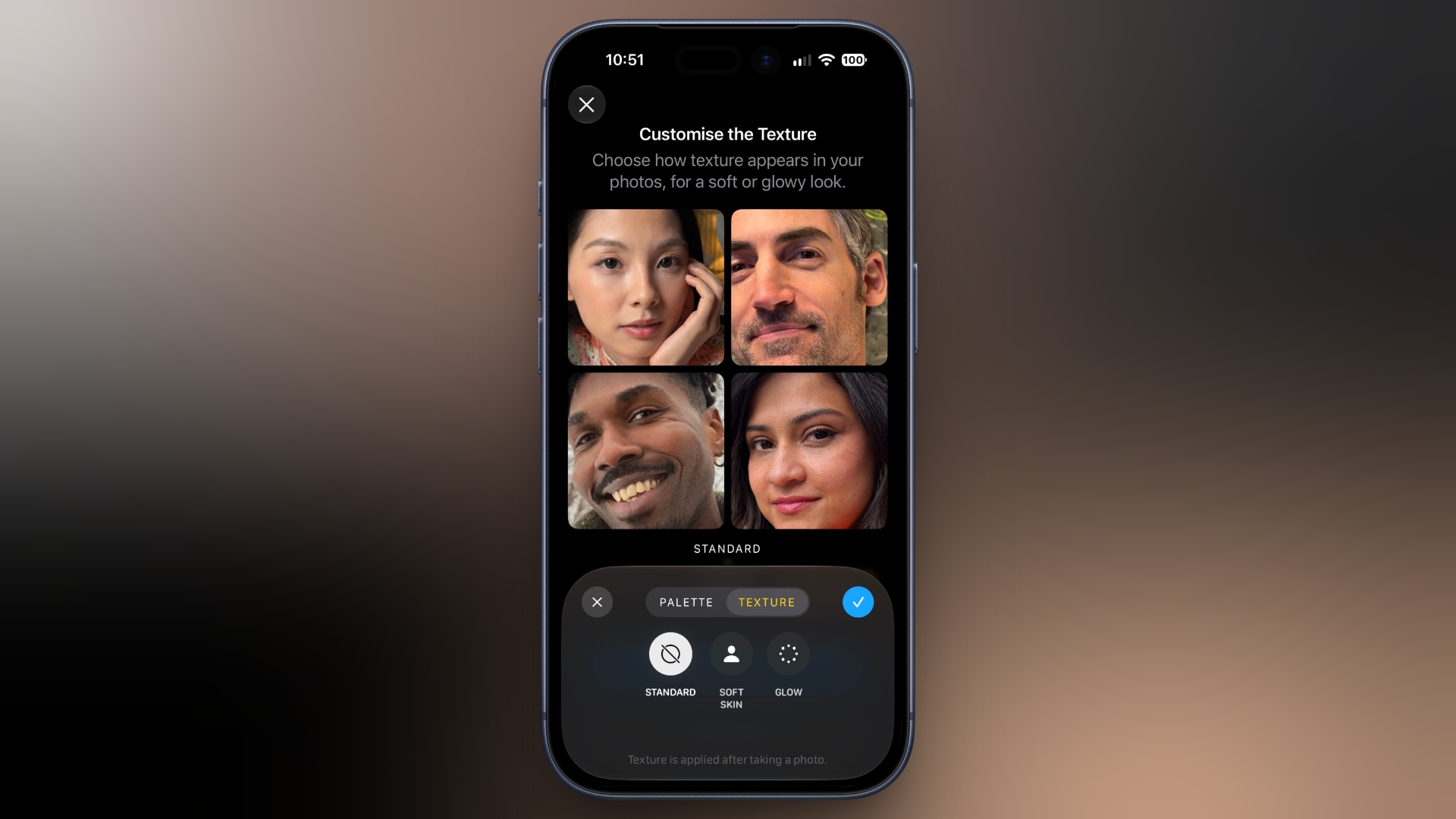
Apple's new Texture and Grain controls for Photographic Styles are not available on iPhones other than the latest iPhone 18 Pro models and upcoming iPhone Duo, despite the company's original wording suggesting otherwise. When Apple announced the iPhone 18 Pro and iPhone 18 Pro Max earlier this month, its Newsroom press release said the new Texture and Grain controls would be "available in iOS 27 on iPhone models that support the latest generation of Photographic Styles." That original wording is preserved in copies of Apple's launch-day press release distributed through Business Wire and Notice Nearby . Elsewhere, in Apple's User Guide for iOS 27, devices that support the "latest generation Photographic Styles" are listed as the iPhone 16 series, iPhone 17 series, iPhone Air, and iPhone 18 Pro models. Apple has since changed the footnote on its iPhone 18 Pro Newsroom announcement. It now says Texture and Grain controls are available "only for photos captured on iPhone 18 Pro models and with the Ultra Wide, Main, and Center Stage cameras on the iPhone Duo." Apple also states definitively in its iOS 27 User Guide that changing the texture of a photo can be achieved "on iPhone 18 Pro models." wtf? Apple now says that the texture and grain will NOT be coming to older iPhones there's no reason why this shouldn't be coming to older iPhones this is what i despise about Apple. new software camera features almost never make it to older iPhones, even though those are... https://t.co/8FM6MQV01F pic.twitter.com/yiO1nDiuFF — Noah Cat (@Cartidise) September 22, 2026 Whether Apple initially intended to bring the controls to older devices and subsequently changed its plans is unclear, and Apple has not commented on the revision. Either way, the original compatibility information looks like it was published in error. Photographic Styles are tone presets that adjust the color and warmth of a photo, while preserving skin tones. If you have an iPhone 18 Pro, check out our how-to guide to make the most out of the feature . This article, " Apple Quietly Excludes Older iPhones From New Camera Feature " first appeared on MacRumors.com Discuss this article in our forums

Apple Music Hall in London seems tailor-made for Apple Music live concerts.