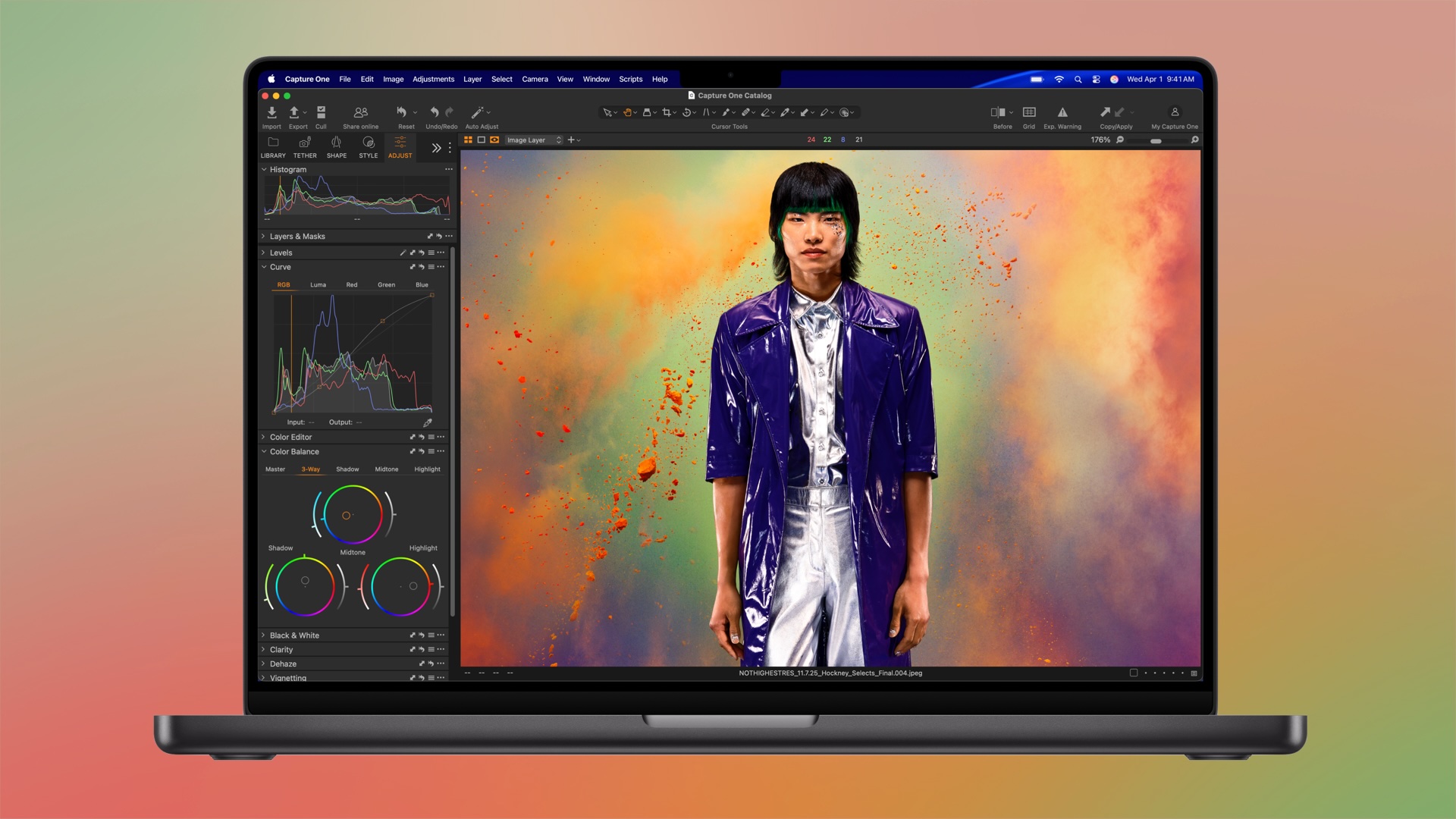

Apple price drop: Amazon just took $600 off the 2026 MacBook Pro M5 Max
Save $600 on the 14-inch Apple M5 Max MacBook Pro at Amazon. Features an 18-core CPU, 32-core GPU, 36GB unified memory, and a 2TB SSD.
- neutral toward Apple · 96%
Save $600 on the 14-inch Apple M5 Max MacBook Pro at Amazon. Features an 18-core CPU, 32-core GPU, 36GB unified memory, and a 2TB SSD.
Supermicro's expansion into AI infrastructure with advanced GPU racks could redefine data center efficiency and elevate its market position.
 CryptoBriefing•Editorial Team1h ago
Fix your setup bottleneck with early Prime Day gaming monitor deals. Save big on 1440p displays, high-refresh eSports screens, and curved monitors.

Don’t miss Adidas’ new Pokémon collab plus discounts a gaming laptop, TV, and more.
 IGN•Danielle Abraham20h ago
The GPU alone currently sells for $1,000 or more in today's market.
IGN•Eric Song21h ago
Grayscale's new AI Compute ETF (GCPU) trades GPU compute futures, offering direct exposure to AI infrastructure demand without holding company
CryptoBriefing•Editorial Team22 Sept
The Mac Mini is a great little desktop computer, and back when it cost $599, it was easy to recommend to anyone who wanted something speedy, simple, and cheap. The new M6 model is even better, but it starts at $899, and its 12-core CPU and 12-core GPU might actually be overkill for someone who […]
 The Verge•Antonio G. Di Benedetto22 Sept
Silicon Data's GPU futures market could revolutionize AI compute pricing, impacting global tech economics and financial trading strategies.
CryptoBriefing•Editorial Team22 Sept
Plus, save on LEGO sets, PC games, and more
IGN•Danielle Abraham21 Sept
The Mac Studio review unit that Apple sent us to test this year is, put simply, kind of outrageous. It has an M5 Ultra chip with a 36-core CPU and 80-core GPU, 256GB of RAM, and 4TB of storage and costs $12,299. This thing is not for your typical content creation workloads. It's for AI […]
The Verge•Antonio G. Di Benedetto21 Sept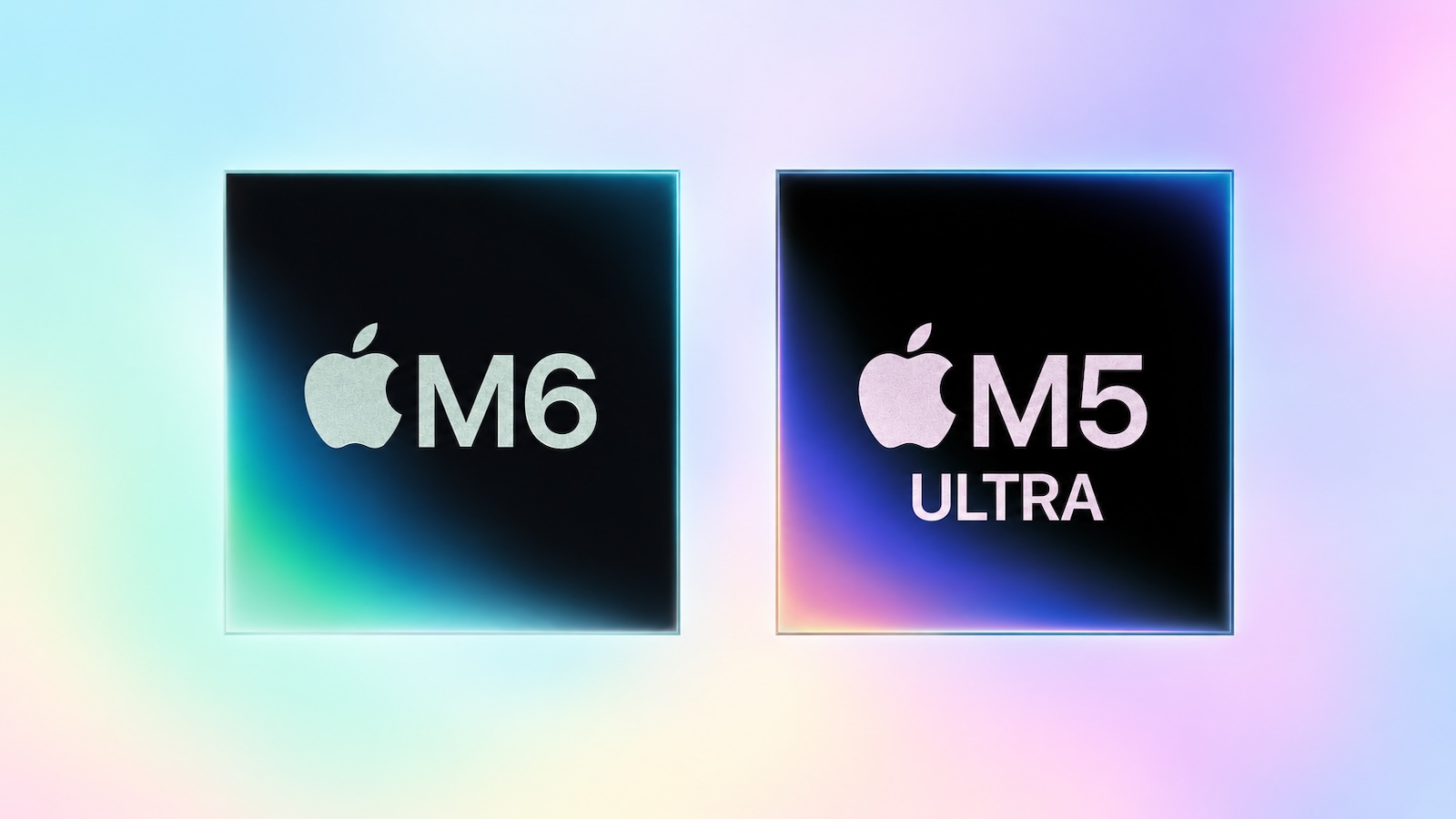
The first GPU benchmark results for Apple's new M5 Ultra and M6 chips have surfaced, ahead of the new Mac Studio and Mac mini models launching on Tuesday. If you are interested in CPU results, we shared those earlier this week . So far, the M5 Ultra has achieved up to a 59% higher Metal score (366,744) on Geekbench 7 compared to the M3 Ultra's average score of 230,420, and the chip's OpenCL score is roughly in line with NVIDIA's GeForce RTX 4080. As for the M6 chip, it has so far achieved up to a 34% higher Metal score (93,217) compared to the M5 chip's average score of 69,563. Chip Metal Score M5 Ultra 366,744 M3 Ultra 230,420 M5 Max 225,606 M2 Ultra 201,144 M4 Max 189,301 M1 Ultra 150,098 M3 Max 146,550 M5 Pro 130,896 M2 Max 130,091 M1 Max 107,711 M4 Pro 107,354 M6 93,217 M2 Pro 77,176 M3 Pro 72,637 M5 69,563 M1 Pro 63,531 M4 51,818 M3 46,033 M2 40,529 M1 27,277 As always, real-world performance will vary. Tags: Benchmark , Geekbench This article, " M5 Ultra and M6 Chip Benchmark Results Reveal Graphics Performance " first appeared on MacRumors.com Discuss this article in our forums
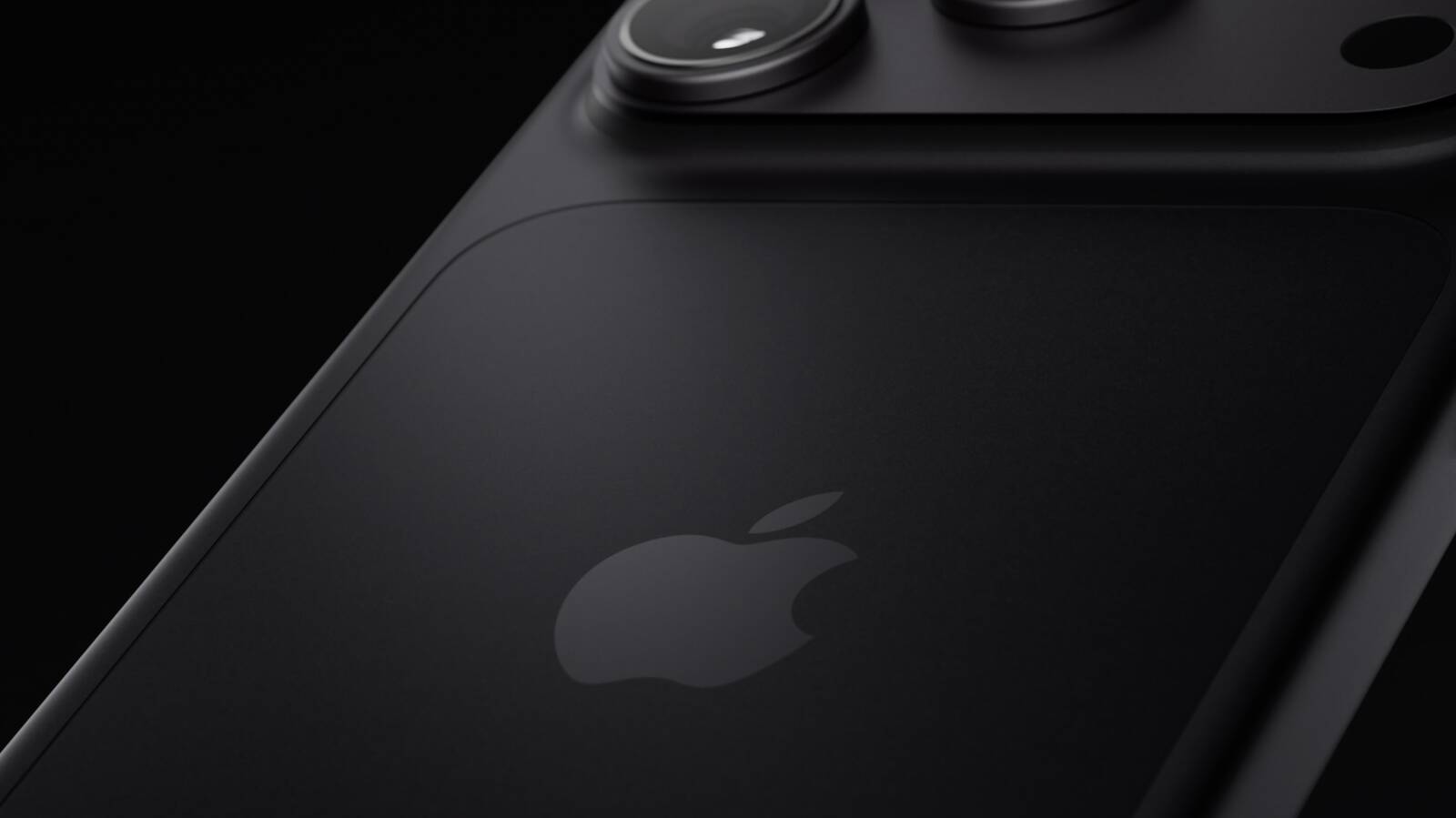
Apple last week unveiled the iPhone 18 Pro and iPhone 18 Pro Max . While the devices look very similar to the iPhone 17 Pro models, there are still quite a few new features and incremental changes compared to the previous generation. Below, we have recapped 10 new features coming with the iPhone 18 Pro models, which have been available to pre-order since Saturday, September 12 and will begin arriving to customers and launch in stores this Friday, September 18. A20 Pro chip , the first 2nm chip in an iPhone. It has a 6-core CPU, a 7-core GPU, and a 32-core Neural Engine. Apple says the chip delivers up to 20% faster CPU performance and up to 40% faster graphics performance compared to the A19 Pro chip in the iPhone 17 Pro. Apple also says sustained performance is up to 40% faster. Three new color options : Burgundy, Black, and Glacier . Orange is no longer an option. The rear aluminum and Ceramic Shield glass area are now more color matched. A smaller Dynamic Island with support for up to three Live Activities at once . The main 48-megapixel Fusion camera on both the iPhone 18 Pro and iPhone 18 Pro Max has variable aperture , allowing you to adjust the amount of light that reaches the image sensor for greater control over depth of field. Apple says this upgrade will allow for improved low-light photography and crisper details in the back of group photos. Aperture options include ƒ/1.48, ƒ/1.8, ƒ/2.8, and ƒ/4.0. In the Camera app on iPhone 18 Pro models, new Pro controls allow you to manually control or adjust shutter speed, white balance, and aperture, and there is an option to use a histogram. iPhone 18 Pro models can record time-lapse videos in 4K and Dolby Vision HDR . Both of the iPhone 18 Pro models have longer battery life compared to the previous generation — especially the iPhone 18 Pro Max. If we go by Apple's offline video playback metric, the iPhone 18 Pro Max has up to 15% longer battery life compared to the iPhone 17 Pro Max. Fast charging to 50% now takes 15 minutes, down from 20 minutes. The revamped vapor chamber cooling system in the iPhone 18 Pro models has three times more surface area than the one in the iPhone 17 Pro models, for even better heat dissipation. iPhone 18 Pro models worldwide are equipped with Apple's second-generation C2 cellular modem for 5G and LTE, while the iPhone 18 Pro Max has it in every country except for the U.S., where it has a Qualcomm modem. Apple says the C2 chip has "AI-powered improvements" to cellular quality and reliability, delivering "meaningfully faster uploads when compared to its previous C1X modem while consuming 15% less energy. In the U.S., the chip supports mmWave 5G. There is now a 2TB storage capacity for both the Pro and Pro Max models — it was previously exclusive to the iPhone 17 Pro Max. Related Roundup: iPhone 18 Pro Buyer's Guide: iPhone 18 Pro (Buy Now) Related Forum: iPhone This article, " iPhone 18 Pro Launching Tomorrow With These 10 New Features " first appeared on MacRumors.com Discuss this article in our forums

AI Money Is Looking for the Next Infrastructure Theme Against a backdrop of higher rates and broad pressure on technology stocks, Lumentum (LITE) surged roughly 9.6% on September 16, making it one of the strongest performers in the S&P 500. Concerns over the sustainability of AI capital spending have recently increased, but money is not simply leaving the AI trade. Instead, investors are rotating toward infrastructure segments where orders are clearer and earnings growth is already becoming visible. Optical networking is increasingly one of those areas. As AI data centers expand, the bottleneck is no longer just GPU supply. Larger clusters require dramatically more data to move between servers, racks and data centers, accelerating the transition from 800G to 1.6T connectivity. Bandwidth, latency and power efficiency increasingly determine the performance of AI infrastructure, raising the strategic importance of optical modules, optical components and switching technologies. Compared with simply adding more GPUs, network upgrades are becoming a necessary part of the next phase of AI infrastructure investment. That is one reason optical networking stocks are attracting renewed attention. Lumentum’s Growth Is Already Showing Up in the Numbers More importantly, this story is no longer based purely on expectations. Lumentum’s latest quarterly revenue reached $1.006 billion, up 109% year over year and 24.5% sequentially. Non-GAAP gross margin rose to 50.4%, while operating margin reached 36.6%. For the next quarter, the company expects revenue of $1.225 billion to $1.275 billion, with non-GAAP operating margin rising further to between 39.5% and 40.5%. Growth is therefore no longer coming from revenue expansion alone. Profitability is improving at the same time. This puts Lumentum in a particularly important stage of its growth cycle. As higher-value products account for a larger share of revenue, incremental sales may not require proportional increases in operating costs. That creates operating leverage. If this trend continues, earnings could grow significantly faster than revenue, potentially changing how investors value the company. 1.6T and OCS Open Up a New Growth Runway At the product level, 1.6T cloud modules and optical circuit switching, or OCS, are emerging as key growth drivers. 1.6T products address the higher-bandwidth requirements of next-generation AI data centers, while OCS gives Lumentum exposure to a broader upgrade in network architecture. Management has already indicated that both businesses are beginning to contribute to growth. This also means Lumentum’s AI story is becoming broader than simply selling more optical components. If 1.6T volumes continue to rise and OCS develops into a meaningful business, the company could move further into higher-value parts of the AI data-center infrastructure stack. That could support an additional improvement in both revenue quality and margins. After the Rally, the Market Is Pricing in High Expectations The rapid rise in the share price, however, changes the key question. The main risk for LITE is no longer whether AI demand exists. It is how much future growth the market has already priced in. If hyperscaler capital spending slows, order growth weakens, or the ramp in 1.6T and OCS falls short of expectations, Lumentum’s elevated valuation could amplify downside volatility. Expectations also become harder to satisfy after a major rerating. Earlier in the cycle, evidence of stronger demand alone could support the stock. Going forward, investors are likely to focus much more closely on order growth, margin expansion and whether earnings guidance can continue to exceed expectations. The next phase therefore depends on three variables: whether 1.6T shipments continue to accelerate, whether OCS develops into a meaningful revenue contributor, and whether margins can keep pace with current expectations. If those indicators continue to strengthen, Lumentum’s valuation rerating will remain supported by improving fundamentals. If they do not, the high expectations already embedded in the share price could leave far less room for execution mistakes.
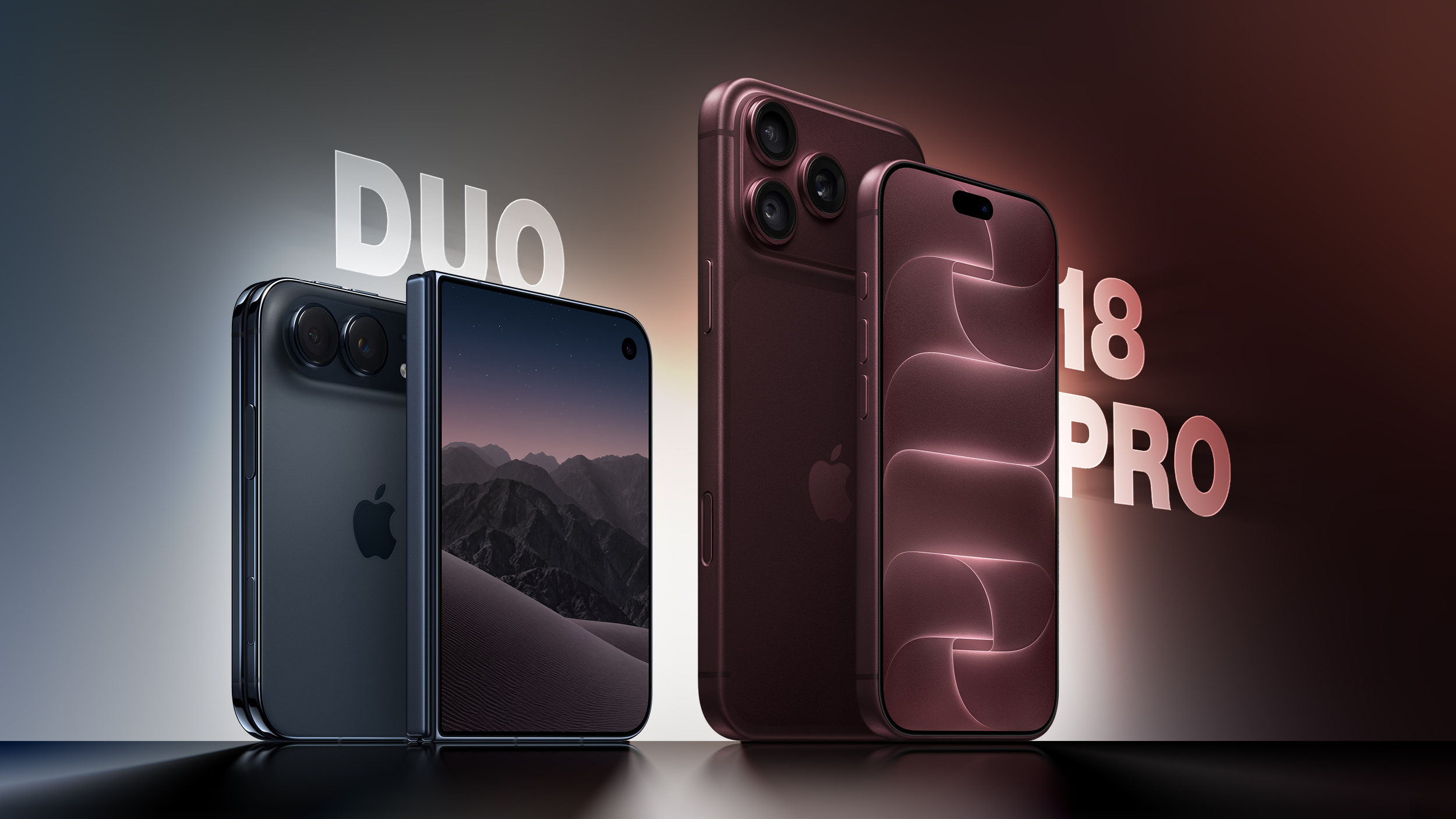
Apple's new iPhone lineup asks buyers a new and challenging question: Is a foldable display worth feature compromises? Alongside the iPhone 18 Pro and iPhone 18 Pro Max, which start at $1,199 and $1,299 respectively, there is now the iPhone Duo , Apple's first foldable iPhone, which starts at $1,999. All three are brand new, all three feature the same A20 Pro chip, and all three sit at the top end of Apple's lineup. The Duo is not a Pro model, though, and Apple's own wording makes that clear. For example, its rear camera array is branded the 48-megapixel Dual Fusion system rather than the Pro Fusion system, and the word Pro appears nowhere in its name. The $700 premium over the iPhone 18 Pro Max buys a folding 7.6-inch display, not a better camera. All three models still share a large amount of hardware. The shared features include: A20 Pro chip with a 6-core CPU, 7-core GPU with Neural Accelerators, dual 16-core Neural Engine, and hardware-accelerated ray tracing Apple C2 modem (except on the Pro Max in the United States), N1 wireless networking chip, Wi-Fi 7, Bluetooth 6, Thread, and the second-generation Ultra Wideband chip Super Retina XDR OLED displays with ProMotion up to 120Hz, Always-On display, Dynamic Island , and 3000 nits of peak outdoor brightness Ceramic Shield 2 front with 3x better scratch resistance, Ceramic Shield back, and IP68 water resistance to a depth of 6 meters Camera Control, a 48MP Fusion Ultra Wide camera at 13mm and f/2.2, Photographic Styles 3, Dual Capture, smart focus tracking, and 48MP macro photography Apple Intelligence and Siri AI in iOS 27 Emergency SOS, Crash Detection, Roadside Assistance, Messages, and Find My via satellite USB-C with USB 3 speeds, MagSafe and Qi2 wireless charging up to 25W, and dual eSIM 256GB, 512GB, 1TB, and 2TB storage options The comparison below outlines every difference between the Pro models and the Duo: Display iPhone 18 Pro and iPhone 18 Pro Max iPhone Duo iPhone 18 Pro : 6.3-inch display iPhone 18 Pro Max : 6.9-inch display 7.6-inch inner folding display and 5.4-inch outer display iPhone 18 Pro : 2622-by-1206 resolution at 460 ppi iPhone 18 Pro Max : 2868-by-1320 resolution at 460 ppi Outer display : 1398-by-2034 at 460 ppi Inner display : 1878-by-2670 at 430 ppi Nano-texture finish and wide-angle OLEDs on the inner display Supports Apple Pencil with USB-C Design and Build iPhone 18 Pro and iPhone 18 Pro Max iPhone Duo Aluminum unibody Polished titanium frame with a 3D-printed hinge cover Action button Face ID enabled by TrueDepth technology Touch ID in the side button Dual ambient light sensors Four ambient light sensors Compatible with MagSafe cases, wallets, and wireless chargers Compatible with MagSafe cases and wireless chargers Black, Silver, Glacier, and Burgundy options Night Sky and Star White options Made with 40% recycled content, including 85% recycled aluminum in the enclosure, 100% recycled rare earth elements in all magnets, 80% recycled steel in the battery enclosure and vapor chamber chassis, and 100% recycled tungsten in the Taptic Engine Made with 35% recycled content, including 100% recycled aluminum in the internal structural frame, 85% recycled titanium in the enclosure, and 100% recycled titanium in the 3D-printed hinge cover 50% of manufacturing electricity sourced from renewable electricity 60% of manufacturing electricity sourced from renewable electricity Dimensions and Weight iPhone 18 Pro iPhone 18 Pro Max iPhone Duo Height 5.91 inches (150.0 mm) 6.43 inches (163.4 mm) 4.64 inches (117.8 mm) closed 4.64 inches (117.8 mm) open Width 2.83 inches (71.9 mm) 3.07 inches (78.0 mm) 3.31 inches (84.1 mm) closed 6.48 inches (164.6 mm) open Depth 0.34 inch (8.75 mm) 0.34 inch (8.75 mm) 0.44 inch (11.3 mm) closed 0.21 inch (5.2 mm) open Weight 7.44 ounces (211 grams) 8.78 ounces (249 grams) 8.96 ounces (254 grams) Rear Cameras iPhone 18 Pro and iPhone 18 Pro Max iPhone Duo 48MP Pro Fusion camera system 48MP Dual Fusion camera system 48MP Fusion Main camera: 24mm, second-generation sensor-shift OIS, 100% Focus Pixels 48MP Fusion Main camera: 26mm, sensor-shift OIS, Hybrid Focus Pixels Variable aperture on Main camera: f/1.48, f/1.8, f/2.8, and f/4.0 Fixed f/1.6 aperture on Main camera 12MP optical-quality 2x "telephoto" sensor crop at 48mm from the Main camera 12MP optical-quality 2x "telephoto" sensor crop at 52mm from the Main camera 48MP Fusion Telephoto camera: 100mm (4x), f/2.8, tetraprism, 3D sensor-shift OIS and autofocus 12MP optical-quality 8x Telephoto sensor crop at 200mm, f/2.8, from the Fusion Telephoto camera LiDAR scanner 0.5x, 1x, 2x, 4x, and 8x optical zoom options 0.5x, 1x, and 2x optical zoom options 8x optical-quality zoom in, 2x optical zoom out, for a 16x optical-quality zoom range 2x optical-quality zoom in, 2x optical zoom out, for a 4x optical-quality zoom range Digital zoom up to 40x for photos and up to 24x for video Digital zoom up to 10x for photos and up to 6x for video Adaptive True Tone flash True Tone flash Four studio-quality mics Smart Take and Duo Preview Pro Capture Features and Formats iPhone 18 Pro and iPhone 18 Pro Max iPhone Duo Pro controls for lens aperture, shutter speed, white balance, and viewing histogram ProRAW Apple Reference Image (Fusion Main camera only) Spatial photos Spatial video recording at 1080p at 30 fps ProRes video recording up to 4K at 120 fps with external recording ProRes RAW video recording Apple Log 2 Academy Color Encoding System (ACES) Genlock Image formats captured: HEIF, JPEG, and DNG Image formats captured: HEIF and JPEG Video formats recorded: HEVC, H.264, ProRes, and ProRes RAW Video formats recorded: HEVC and H.264 Video playback formats include HEVC, H.264, AV1, and ProRes Video playback formats include HEVC, H.264, and AV1 Front Cameras iPhone 18 Pro and iPhone 18 Pro Max iPhone Duo 18MP Center Stage front camera, f/1.9 12MP Center Stage outer camera, f/2.2 Autofocus with Focus Pixels on the front camera Front camera Pro controls, ProRAW, ProRes, ProRes RAW, Apple Log 2, and Academy Color Encoding System Kid Cue on the front camera Under-display FaceTime camera on the inner display, f/1.8, limited to 1080p video at 30 or 60 fps with no Night mode, portraits, or Photographic Styles Duo FaceTime Optical zoom with the rear camera in FaceTime Zoom with the rear camera in FaceTime Battery and Charging iPhone 18 Pro and iPhone 18 Pro Max iPhone Duo Built-in rechargeable battery Dual built-in rechargeable batteries iPhone 18 Pro : Up to 24 hours typical use iPhone 18 Pro Max : Up to 30 hours typical use Up to 24 hours typical use iPhone 18 Pro : Up to 36 hours video playback iPhone 18 Pro Max : Up to 45 hours video playback Up to 44 hours using the outer display, up to 31 hours using the inner display iPhone 18 Pro : Up to 33 hours streamed video playback iPhone 18 Pro Max : Up to 40 hours streamed video playback Up to 37 hours streamed using the outer display, up to 26 hours using the inner display 50% charge in around 15 minutes 50% charge in around 20 minutes Price iPhone 18 Pro iPhone 18 Pro Max iPhone Duo 256GB $1,199 $1,299 $1,999 512GB $1,399 $1,499 $2,199 1TB $1,799 $1,899 $2,599 2TB $2,399 $2,499 $3,199 For most buyers, the iPhone 18 Pro or iPhone 18 Pro Max is the better choice. They offer the same A20 Pro chip as the Duo, a more versatile camera system, and a lower price. Choose the Pro if you prefer a smaller, lighter phone, or pay $100 more for the Pro Max if you want a larger screen and longer battery life. The camera system is the clearest reason to choose an iPhone 18 Pro over the iPhone Duo. Alongside a more advanced Main camera, the Pro models offer a variable aperture for greater control over depth of field and a dedicated Telephoto camera for subjects you cannot get close to. These advantages matter even if you never use professional capture formats: The Pro gives you more flexibility both when framing a shot and when controlling how it looks. If photography or videography is a priority, choose the iPhone 18 Pro. Buyers who also use ProRAW, ProRes, or manual controls have even more reason to do so. The iPhone Duo is worth considering if you frequently wish your phone had a larger screen for reading, documents, taking notes, or watching video. Its 7.6-inch folding display and Apple Pencil support are unique in the iPhone lineup and could reduce the need to carry a separate tablet. If you would unfold it several times a day for those sorts of tasks, the benefit may outweigh the camera compromises and higher price. If most of your use involves messaging, social media, and taking photos, there is less reason to pay extra for the iPhone Duo. The compromises also extend beyond the rear cameras. Both of its front-facing cameras are also inferior. The iPhone Duo also replaces Face ID with Touch ID and drops the Action button, so buyers will need to adjust. It also lacks the Pro models' LiDAR Scanner, adaptive True Tone flash, four studio-quality microphones, and spatial photo and video recording. You also need to be comfortable with the Duo when it is closed. Despite its smaller outer screen, it is wider and thicker than either Pro model and slightly heavier than the Pro Max. Battery life is another reason to favor the Pro Max: The Duo matches the smaller Pro's rated typical-use battery life, and using its inner display reduces its video playback time substantially. The price gap remains significant at every storage tier. A 1TB iPhone 18 Pro Max is only $100 cheaper than the entry-level iPhone Duo, but that Duo has just 256GB of storage. At the same capacity, you pay $700 more than the Pro Max or $800 more than the Pro. That premium needs to be justified by how much you would use the folding screen and how much you care about some of the device's compromises. Buy the Duo if you have a clear idea of the things you would regularly unfold it to do, or if experiencing Apple's first foldable and a radically new kind of iPhone is itself worth the premium to you. If you are unsure how the larger screen would fit into your routine, the Pro models remain the stronger purchase with their traditional "slab" form factor and host of superior specifications. The iPhone 18 Pro and iPhone 18 Pro Max are available to pre-order now. iPhone Duo pre-orders open on October 16 ahead of an October 23 release. Related Roundups: iPhone 18 Pro , iPhone Duo Buyer's Guide: iPhone 18 Pro (Buy Now) , iPhone Duo (Coming Soon) Related Forum: iPhone This article, " iPhone 18 Pro vs. iPhone Duo Buyer's Guide: Which Should You Choose? " first appeared on MacRumors.com Discuss this article in our forums

Oracle has quietly become one of the most leveraged public-market bets on the AI infrastructure boom. Fiscal 2026 revenue reached a record $67.4 billion, with cloud infrastructure (IaaS) growing 77% to $18.1 billion; the first quarter of fiscal 2027 then accelerated further, with total revenue up 30% to $19.3 billion and IaaS more than doubling at +121% to $7.4 billion. Remaining performance obligations now sit at $664 billion—nearly ten times trailing annual revenue—after another $30-plus billion of AI contracts were booked in the latest quarter. Management guided fiscal 2027 revenue to at least $90 billion (roughly 34% growth) and non-GAAP EPS to $8.10, giving unusual visibility for a company of this size. The core of the upside case is conversion of that backlog into recognized, high-utilization revenue as new megawatts come online. Oracle delivered 850 MW of capacity in Q1 alone and is targeting $90–95 billion of capex this year, yet a growing share of the hardware is prepaid or customer-supplied, which reduces the cash drain relative to earlier fears. GPU utilization is running near 98% with renewals occurring at premium pricing, and the OpenAI/Stargate-related commitment (on the order of $300 billion over roughly five years) is only the largest of several large-scale AI training and inference deals. If even a conservative portion of the contracted capacity ramps as planned, cloud infrastructure can become the majority of the company and support a multi-year revenue CAGR in the high-20s to low-30s, with operating leverage appearing once the current build-out cycle matures. Risks remain real: heavy debt and equity issuance to fund data centers, customer concentration, and the possibility that AI spending growth slows or that power/grid constraints delay sites. Those concerns have already compressed the multiple and produced a large drawdown from the prior highs. Still, the combination of contracted revenue visibility, accelerating IaaS growth, and improving (if still negative) free-cash-flow optics versus earlier expectations is why longer-term models from some analysts point toward $200 billion-plus in revenue by the early 2030s and meaningful EPS compounding if margins on OCI settle in the 30–40% range once utilization and scale are achieved. Technically, the 8-hour chart shows price sitting near the five-month point of control around current levels after a multi-month range, with a well-defined prior swing high near $250 and a higher target zone in the mid-to-high $200s if the stock can reclaim the $176 area and resume the prior uptrend. The financial trajectory—backlog conversion plus continued triple-digit IaaS growth—is what would most plausibly fuel that kind of re-rating; the chart simply maps the path price would need to travel if the fundamental story continues to deliver.
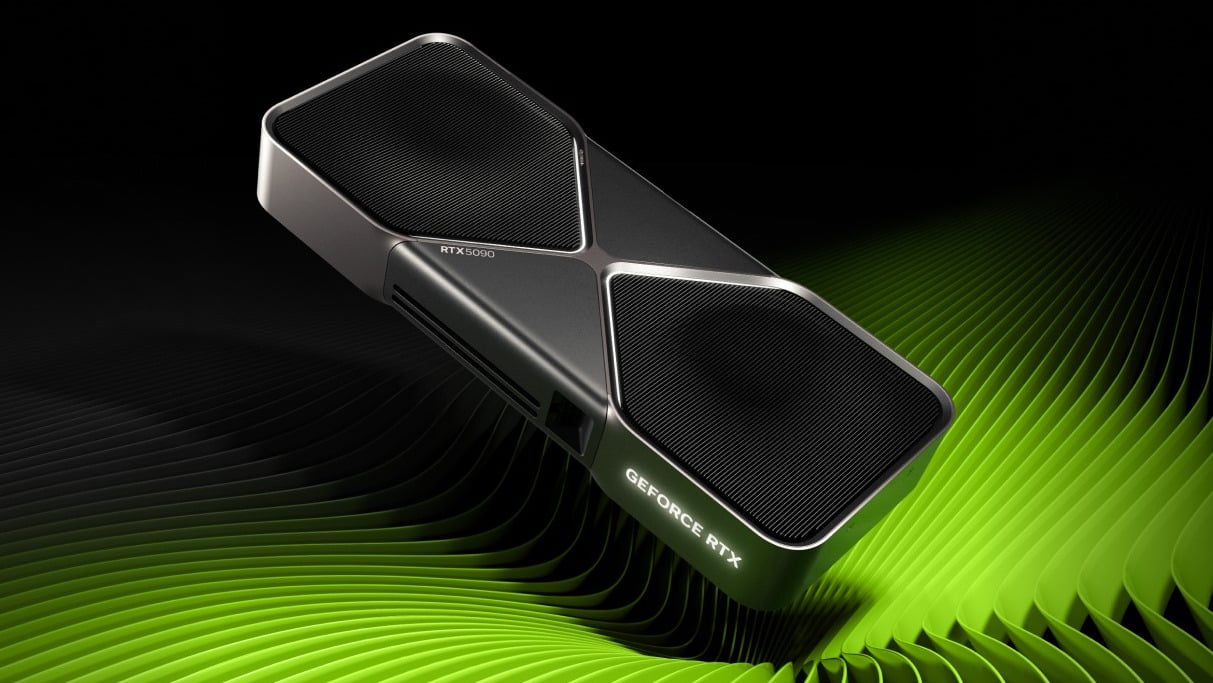
The top-end GPU has hit astronomical prices, even in large retail stores

Euclyd's funding success could accelerate AI hardware innovation, challenging GPU dominance and reshaping energy-efficient data center solutions.
CryptoBriefing•Editorial Team15 SeptNASDAQ:NVDA may look exposed ahead of the Fed meeting, but not for the reason many investors think. Nvidia’s balance sheet is still strong. The company holds about $56.6B in cash and liquid securities, excluding another $42.8B in marketable equity securities. Its recently issued senior notes are largely fixed-rate, so a 25-bps Fed hike should have little direct impact on interest expense. The real risk is on the demand side. Data Center now contributes roughly 92.5% of Nvidia’s total revenue. That makes NVDA one of the clearest beneficiaries of the AI infrastructure boom—but also one of the most sensitive names if hyperscalers slow data-center construction or AI spending. The transmission mechanism is simple: Fed hikes → higher cost of capital → higher hurdle rates for data-center projects → slower AI CapEx growth → weaker GPU demand. A single 25-bps hike probably won’t derail the AI cycle. The risk would rise if tightening continues toward 75–100 bps cumulatively, because that could start affecting project economics across the hyperscaler ecosystem. NVDA also still faces heavy working-capital commitments tied to wafer capacity, HBM, advanced packaging, system inventory and supply reservations. Those commitments matter if customer deployments get pushed out. So the key takeaway for NVDA is: Low direct rate risk, but very high indirect exposure to AI CapEx. As long as NASDAQ:MSFT , NASDAQ:GOOGL , NASDAQ:AMZN , NASDAQ:META and other hyperscalers keep spending aggressively, the Nvidia growth story remains intact. If that spending cycle slows, NVDA could feel it quickly.

Samsung's investment in AI chip alternatives highlights a shift towards diversifying suppliers, reducing dependency on dominant market players.
CryptoBriefing•Editorial Team14 Sept
Dutch startup Euclyd raised the funding in a round co-led by Samsung, Somerset Capital Partners, the Scaleup Europe Fund and Innovation Industries.